Starbucks Rules Out a Chipotle Buyout, Deflating a 1 Billion Megadeal Rumor
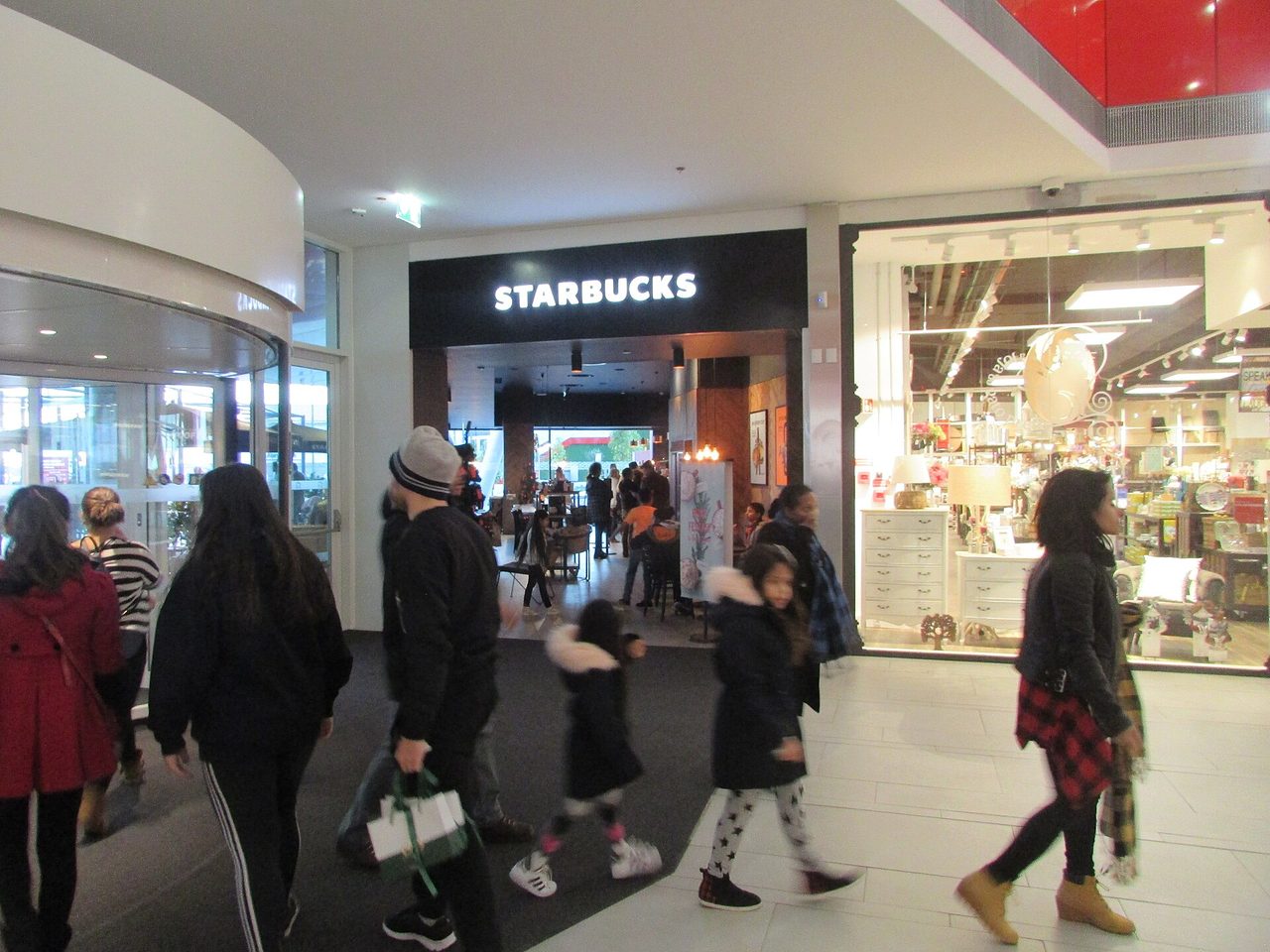
Photo: Kolforn, CC BY-SA 4.0 · via Wikimedia Commons
"We are not buying Chipotle"
On Monday, Starbucks ended four days of market fever with a single sentence. "As a matter of policy, we don't comment on rumors and speculation, but we want to be clear we are not buying Chipotle," a spokesperson told CNBC, according to Reuters and Bloomberg. The statement added that the company is "laser focused" on its Back-to-Starbucks turnaround and looks forward to sharing fourth-quarter results later this month. Chipotle declined to comment.
The story started with a Financial Times scoop
The speculation traces back to Thursday, October 8, when the Financial Times reported that Starbucks had spent recent months working with advisers on a potential takeover proposal for Chipotle, citing people familiar with the matter. The same report cautioned that no formal offer had been confirmed and that combining two companies of this size is complicated enough that the deal might never get off the ground. That day, Chipotle shares jumped about 6% while Starbucks slipped roughly 3%.
Chipotle had already hired its own advisers
The FT piece landed on fertile ground. Semafor had reported in mid-September that Chipotle brought in advisers to defend against activist investors or an unwanted bid, and an October 6 column in the same outlet floated Starbucks as the most improbable suitor. Sources close to Chipotle told Semafor the company had not received any takeover offer, but the two narratives merged in the market's imagination.
A $41 billion deal would have rewritten restaurant M&A
Chipotle's market value had climbed above $41 billion on the rumor, meaning a deal would have overtaken Burger King's $11.4 billion buyout of Tim Hortons in 2014 as the largest restaurant acquisition on record. Together the two chains generated nearly $50 billion in sales last year. Starbucks ranks as the second-largest U.S. chain by domestic sales at roughly $31 billion; Chipotle ranks seventh at over $11 billion.
Two stocks swing on the same story
After Monday's denial, Chipotle fell more than 2% before the open and slid to around 3% during the session, landing near $30.39 a share — down 18.9% for the year and 28.3% below its 52-week high of $42.36 set in October 2025. Starbucks rose more than 1%. Chipotle investors had welcomed the prospect of reuniting with Brian Niccol; Starbucks shareholders worried an expensive merger would distract from the turnaround.
The Niccol factor cut both ways
Niccol ran Chipotle for roughly six years, leaving at the end of August 2024 to take the top job at Starbucks that September. Since his departure, Chipotle's stock has lost about half its value, which made the burrito chain a cheaper target — and, in analysts' eyes, a tempting one. But TD Cowen's Andrew Charles called the transaction "low-probability" from the start, citing cost and integration risk. BTIG's Pete Saleh asked why Starbucks would add a major strategic initiative before proving it can deliver sustainable margin recovery. William Blair's Sharon Zackfia suggested lighter ties instead: co-located restaurants, product placements, or faster international expansion through Starbucks' licensed network. Stephens data shows roughly 90% of Chipotle restaurants sit within a mile of a Starbucks.
The scale gap is hard to ignore
Starbucks operated 41,304 stores worldwide at the end of June, about 67% of them licensed, with roughly 18,000 in North America. Chipotle had about 4,186 company-operated restaurants and a handful abroad. In the latest quarter, Starbucks posted $9.3 billion in revenue, down 1% as China moved to a licensed model, with global comparable sales up 7.9%; Chipotle posted $3.3 billion, up 9.3%, but comparable sales grew only 2.2% and its operating margin slipped from 18.2% to 15.7%.
What happens next
The wording of the denial deserves attention: "we are not buying Chipotle," not "we never explored it." Analysts read it as killing the immediate deal narrative rather than Starbucks' appetite for scale under Niccol. Chipotle is still working through a traffic slump that intensified through 2025 and has prepared for possible activist pressure. Both companies report later this month, and Chipotle's next test is whether it can rebuild traffic without a white knight in the wings.
Sources
- Reuters: Starbucks says not buying Chipotle, ends takeover speculation
- Bloomberg: Starbucks Denies Chipotle Acquisition After Takeover Speculation
- CNBC: Starbucks denies Chipotle takeover
- Chipotle jumps after report that Starbucks has explored takeover
- Semafor: Chipotle tries to get ahead of a potential activist problem