What Paris Has That Detroit Won't Sell: The 2026 Cars America Can't Buy
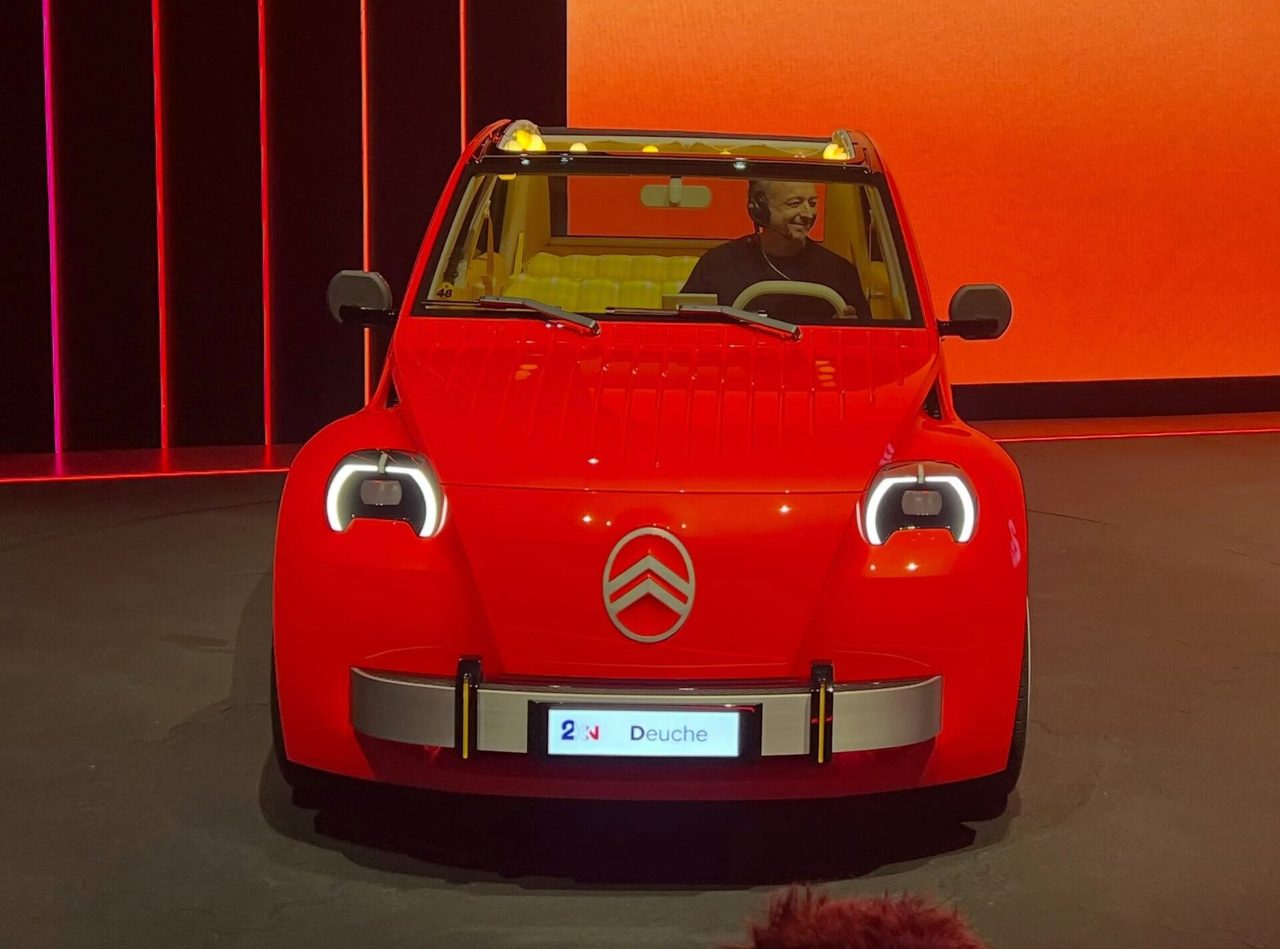
Photo: 2cv2026 / CC BY-SA 4.0 · via Wikimedia Commons
What Paris Has That Detroit Won't Sell: The 2026 Cars America Can't Buy
The 91st Paris show opened on October 12
The Mondial de l'Auto opened at Paris Expo Porte de Versailles on October 12, with press day on the Monday and public days running through October 18 across five halls. Organizers count more than 100 exhibitors and over 60 carmakers, and Reuters reported that European and Chinese manufacturers were expected to unveil as many as 60 new models. Weekday tickets start at €20 and weekend tickets at €22. The 2024 edition drew 508,007 visitors and 158 exhibitors.
One in three booths now belongs to China
The Wall Street Journal's tally, carried by Livemint, puts roughly 20 Chinese brands on the show floor — about a third of all brands present, up from nine two years ago. Xinhua counted higher, at 25 Chinese brands represented by 16 automakers including BYD, XPeng, Changan, Dongfeng and Leapmotor. Kelley Blue Book counted 63 automakers in all: 27 European brands, 23 Chinese, and just 13 from the rest of the world combined. Chinese cars already take more than 10 percent of new-car sales across Europe.
Only three American brands showed up
By the Journal's count the U.S. contingent was Tesla, Ford and Lucid. KBB framed it differently: Ford and Tesla, plus the traditionally American lines under Stellantis, were all that represented the country. BMW, Porsche and Ferrari were not on the exhibitor list at all. Ars Technica's reviewer was blunter still, writing that he was "pretty sure none of the stuff you're seeing here will come to the United States" — and noting that Stellantis' U.S. lineup doubles down on the exact trends Europe is trying to escape.
America has not bought a new French car since 1991
Renault announced its withdrawal from the American market in 1987 and sold its stake to Chrysler. Peugeot, the last mainstream French maker still selling here, left in 1991 after years of declining sales, a thin dealer network and cars built in France and shipped across the Atlantic. Citroën, Renault and Peugeot have had no U.S. showroom in more than three decades, which is why an entire hall of French innovation is invisible to American buyers.
A €15,000 electric 2CV, built in Europe
Citroën revealed the 2CV concept on the eve of the show: 3.76 meters long, targeting a starting price of around €15,000 (about $16,800), with European production by 2028 and a weight goal near 1,000 kilograms. It slots between the Ami and the C3. Citroën and DS CEO Xavier Chardon summed it up on LinkedIn in three lines: "Electric. Made in Europe. €15,000." The original 2CV ran for more than 40 years and nearly four million units.
The US market has no room for small EVs
Renault's E-Space concept is 4.70 meters long and 2.02 meters wide, with six individual seats on a flat floor, an electric reboot of the 1984 Espace — and Renault has not confirmed a production version. Ars Technica points out that the only electric minivan sold in the U.S. is the Volkswagen ID. Buzz, which sold poorly enough that VW suspended imports for a model year. Motor1 cites EPA data showing trucks, including SUVs under federal classification, made up 66 percent of new vehicles in the 2024 model year against just 34 percent cars. Re-engineering a cheap European small car to pass U.S. safety and emissions rules rarely pencils out at those volumes.
What the companies actually said
Renault CEO François Provost said the flood of Chinese hybrid imports into the EU is "not sustainable" and called the new agreement capping them at 350,000 units a year "better than a trade war." Show director Serge Gachot said Chinese automakers are placing greater emphasis on brand awareness than they were two years ago. Stellantis CEO Antonio Filosa used the pre-show gala to unveil six concept cars built around the €15,000 price point, betting small cars can rebuild the European entry level.
Who pays on each side
European drivers get the cheap electric city cars first, most of them arriving around 2028. American drivers get nothing new from this hall: Chinese vehicles face 100 percent tariffs in the U.S., and while the EU-U.S. deal that took effect September 1, 2026 caps European car tariffs at 15 percent, certification cost and dealer networks remain the real wall. KBB framed the show as exactly why American automakers and members of Congress are pushing to keep Chinese carmakers out of the U.S. market entirely.
The next act comes in 2028
Citroën says the production 2CV could debut at the 2028 Paris show, 80 years after the original appeared, and the event itself is already scheduled for 2028. Whether attendance beats the 508,007 recorded in 2024 will say a lot about whether a biennial Paris salon can hold its place on the global calendar.
Sources
- Ars Technica
- Kelley Blue Book
- Reuters
- Xinhua
- Electrek