Getty Images Turns to Chapter 11 and Koch Money to Go Private
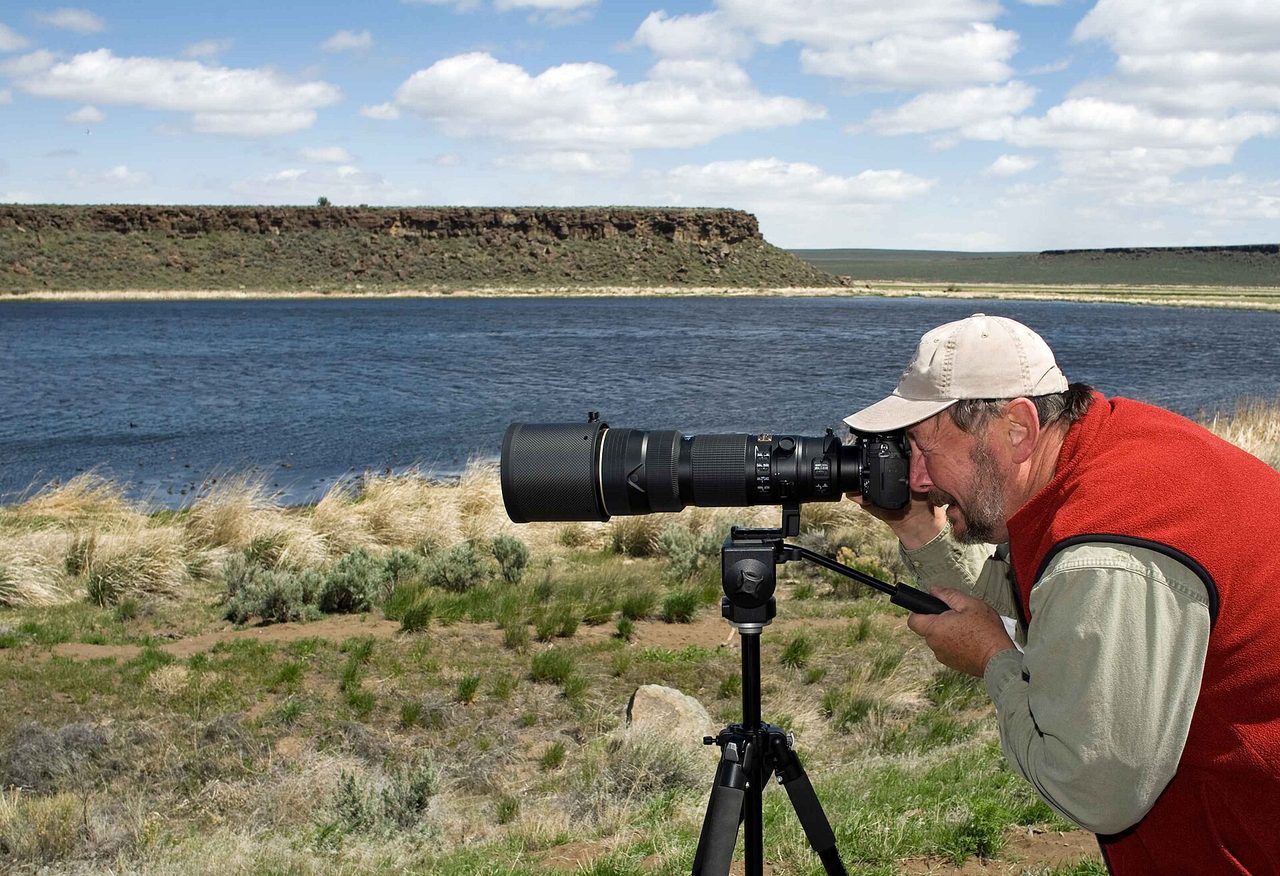
Photo: Gentry George, U.S. Fish and Wildlife Service / Public domain · via Wikimedia Commons
Getty Images Turns to Chapter 11 and Koch Money to Go Private
A bankruptcy that was negotiated before it was filed
Getty Images said on October 12 it had reached a restructuring deal with its major creditors and investors and will file for a prepackaged Chapter 11 bankruptcy "in the coming weeks," with the process expected to be wrapped up by the end of the year. A prepackaged filing means the plan is agreed in advance, so the company expects a compressed trip through court rather than a long liquidation fight.
Up to $533 million from the Getty family and Koch
Affiliates of the founding Getty family and Koch Equity Development, the investment arm of Koch Inc., committed to invest up to $533 million of new equity, and will own 100 percent of the reorganized company once restructuring is complete. Bloomberg, reading the restructuring support agreement itself, put the new-equity portion at up to $433 million, with KED committing roughly $143 million of debtor-in-possession financing and about $100 million of its debt converting into equity. Koch has been a backer since 2018, when it made a $500 million preferred-equity investment.
Creditors agreed to erase $270 million of notes
Holders of 83.5 percent of the unsecured bonds agreed to retire $270 million of senior unsecured notes, while lenders representing about 89 percent of secured bonds and term loans agreed to cut interest costs and extend maturities. Lenders holding the entire $150 million revolving credit facility also signed on, and the company said the required majorities of creditors are committed. The filing will cover certain U.S. entities only.
The company says nothing changes for customers or staff
Getty said day-to-day operations continue, vendors will be paid in full, and there is "no anticipated impact on content contributors, partners, customers, or employees across the company's worldwide network." Chairman Mark Getty called the transaction "underpinned by the strength of the business," and KED senior managing director Mike Harris said the investment would give Getty "a firm financial foundation and greater flexibility."
$2.1 billion of debt against a $20.74 million market cap
Getty reported roughly $2.1 billion of total debt as of June 30, compared with a market value of $20.74 million at Friday's close. Second-quarter revenue was $229.1 million, down 2.5 percent, and the net loss widened to $85.8 million from $34.4 million a year earlier. Cash stood at $51.6 million, while quarterly interest expense reached $57.3 million against $32.4 million of operating income. S&P Global analyst Brian Conneely identified debt and litigation payments as the main drivers of the filing.
The Shutterstock merger died over a British demand
Getty walked away from its $3.7 billion all-stock merger with rival Shutterstock in late June after the UK's Competition and Markets Authority required Shutterstock to sell its editorial business as a condition of approval. Editorial imagery is the business Getty most wants to grow, so it treated that condition as a non-starter, even after the US Department of Justice granted unconditional antitrust clearance in February.
Generative AI thinned the customer base
Coverage from The Verge, Reuters and others tied the collapse to heavy debt and rising competition from AI-generated imagery. In the second quarter, agency revenue fell 13 percent and annual subscribers dropped to 241,000 from 321,000 a year earlier, a decline CFO Jennifer Leyden partly attributed to a deliberate pullback from low-value acquisition channels, including ending the iStock free trial. Premium subscriptions still grew 5.5 percent and editorial revenue rose 9.2 percent.
From a $4.8 billion valuation to 1.5 cents a share
Getty returned to public markets through a 2022 SPAC merger that valued it at roughly $4.8 billion, after 14 years private. Shares have since lost about 99 percent of their value. The NYSE launched delisting proceedings on September 29 over the abnormally low share price, suspended trading immediately, and the stock moved to the over-the-counter market on September 30. On Monday it fell another 69 percent, to $0.0147. Weeks earlier, the company had made bond interest payments on the last day of a grace period to avoid a formal default.
Photographers keep getting paid, for now
PetaPixel's review of the published term sheet found that general unsecured claims, the category most photographer claims would fall into, sit in Class 6 and are proposed to be left unimpaired. PhotoWorkout likewise reported that contributors, customers and vendors continue to be paid in the ordinary course, with no change to payouts through Getty, iStock or Unsplash+.
Emergence is targeted before year end
The agreement sets an expedited schedule: an interim financing order within three business days of filing, a confirmation order within 55 days and emergence within 75 days, subject to court availability. If the timeline holds, Getty will end 2026 as a private company owned entirely by the Getty family and Koch, free of the listing that its share price had already made meaningless.
Sources
- Reuters: Getty Images to Go Private After Restructuring Deal
- Bloomberg: Koch, Getty Families Team Up to Take Getty Images Private in Bankruptcy Deal
- Getty Images to File for Bankruptcy, Go Private In Restructuring Deal
- The Verge: Getty Images is going private after failed Shutterstock merger
- Fast Company: Getty Images was worth $4.8 billion just 4 years ago. Now it is filing for bankruptcy