Apple Puts Siri AI at Home With HomePod mini 2, a $299 Apple TV 4K and the HomeView Hub
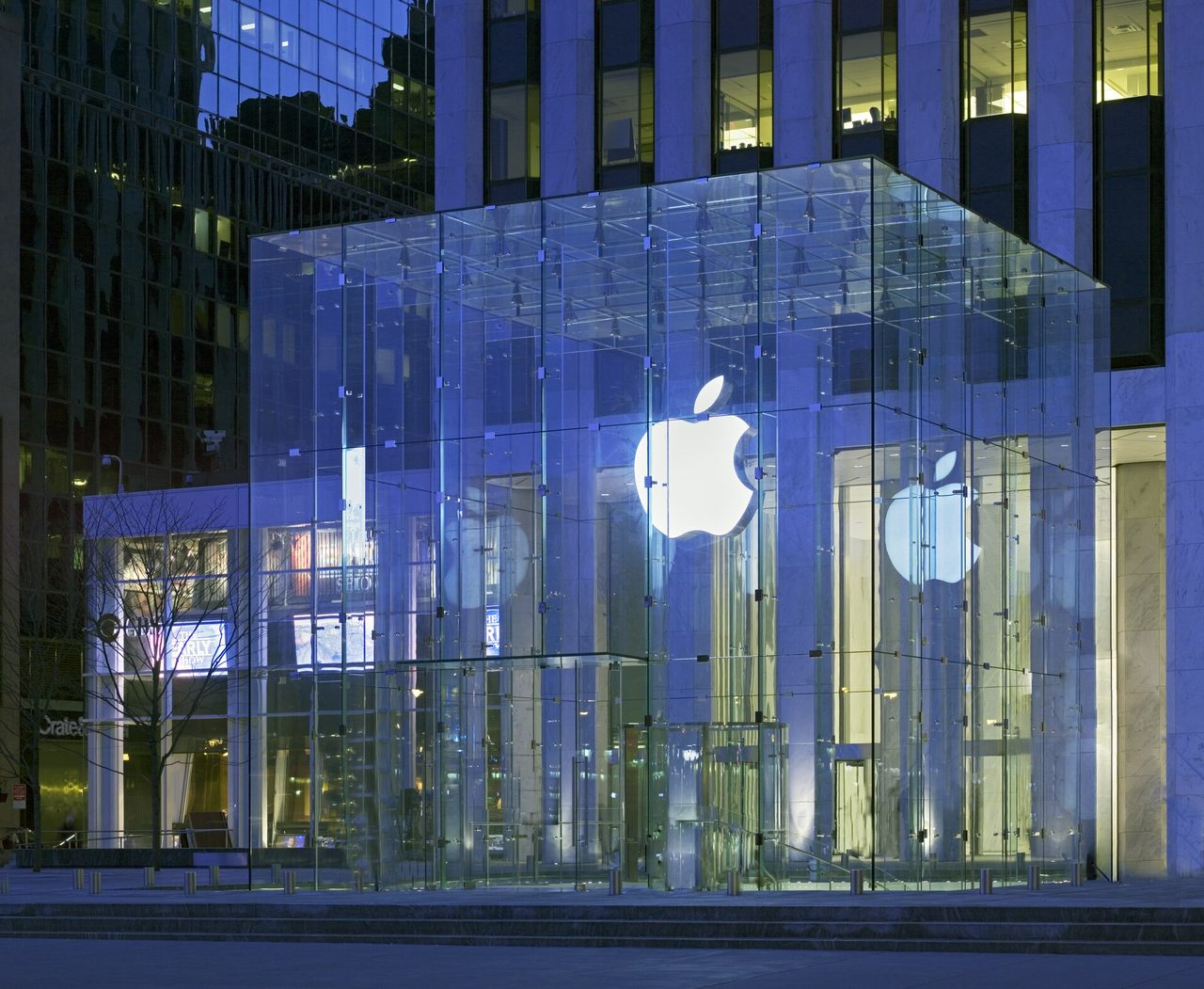
Photo: Carol M. Highsmith / Public domain · via Wikimedia Commons
Apple Puts Siri AI at Home With HomePod mini 2, a $299 Apple TV 4K and the HomeView Hub
Apple's 'Welcome home' event delivers three home devices
Apple used an in-person event in New York on October 13, 2026, under the tagline "Welcome home" to launch the second-generation HomePod mini, a fourth-generation Apple TV 4K and HomeView, its first dedicated smart display. All three opened for pre-order the same day. HomePod mini 2 reaches stores on October 30, while Apple TV 4K and HomeView ship on November 13.
HomePod mini 2 starts at $149, six years after the original
The original HomePod mini arrived in November 2020 at $99, a price Apple had already lifted to $129 earlier this year. The new model costs $149 in the U.S. — $50 above the 2020 launch price — and comes in pink, green, blue, white and midnight. It is available to pre-order in the U.S. and more than 23 other countries and regions, and runs HomePod software 27.2.
An S10 chip and Sound Glow carry the upgrade
Engadget and The Verge both note that the outside barely changed. Inside, the 2019-era S5 gives way to the S10 chip that debuted in the Apple Watch Series 10, which Apple says optimizes dynamic range, loudness and acoustic performance. The visible novelty is Sound Glow, a light show on the speaker's top panel that pulls colors from the playing album's artwork and reacts in real time to bass and treble, with optional rain and ocean soundscapes.
Siri AI arrives later, and needs a recent iPhone
Apple's official line is that Siri AI will come "via a future software update," launching in English in the U.S., Australia, Canada, India, New Zealand, Singapore, South Africa and the UK. The Verge adds that enabling it requires an Apple Intelligence-capable iPhone, meaning an iPhone 15 Pro or newer. Buyers picking the speaker up on October 30 will therefore not have the new assistant on day one.
Four minis now build a four-speaker surround setup
For the first time, buyers can pair four HomePod mini 2 speakers (or four second-generation HomePods, matched front and rear) with the new Apple TV 4K for surround sound. Apple says the box identifies each speaker's position in the room and calibrates timing and levels automatically. Two minis can also serve as a Mac's speakers, pulling the cheapest HomePod into a larger home-theater system.
Apple TV 4K moves to the A19 chip at $299
The fourth-generation Apple TV 4K costs $299 (£299, AU$449), or $49.83 a month for six months through Apple Card installments. Apple claims the A19 delivers up to 50 percent faster CPU performance and up to twice the graphics performance of the A15 Bionic generation, and adds an AV1 decoder and 128GB of storage. TechRadar and CNET both flagged the price jump: the box now costs the same as the screen-equipped HomeView.
Hands-free mics and a remote you can find
The fourth-generation Siri Remote supports Find My with Precision Finding and can emit a sound when you ask where it is. Three far-field microphones built into the Apple TV let users say "Siri" or "Hey Siri" without pressing the remote, even during playback. Siri AI ships as a beta in those eight English-language markets and also comes to second-generation Apple TV 4K models and newer, which lack the new microphones.
HomeView costs $299 in tabletop and wall versions
HomeView is Apple's first smart display for the home: a 7-inch Liquid Retina panel (1088 x 1088, 220 ppi, up to 500 nits and down to 0.3 nits) running an A18 chip with a 12-megapixel Center Stage camera. An aluminum body connects to a domed speaker base through a stainless steel tilt hinge. It comes in silver, starlight, rose pink and space gray; the wall-mounted model is also $299, with mounts sold separately from $59.95.
Face recognition personalizes a shared screen for six people
"Apple HomeView is designed to be shared by everyone in the home yet feel completely personal to each user," said Greg Joswiak, Apple's senior vice president of worldwide marketing. The camera recognizes up to six household members and swaps in their own home screen, apps and widgets, keeping personal Messages and Calendar content private to the person in front of it. Apple positions the device simultaneously as a home hub and a smart-home dashboard for camera feeds, thermostats and locks.
The EU is excluded because Siri AI is unavailable there
Apple states plainly that HomeView is not for sale in the European Union because Siri AI is currently unavailable in iOS there, adding that it is working "constructively" with the EU on a path forward. The Independent and 9to5Mac tied the decision to the broader dispute over interoperability under the Digital Markets Act, and Apple gave no timeline for a European launch.
Nine LG and Schneider accessories follow in December
Rounding out the event was Apple Home Collection, nine accessories developed with LG Electronics and Schneider Electric: cameras, a video doorbell, a deadbolt lock, thermostats and sensors priced from $39.95 to $399.95. Most arrive in December, with a few slipping to early 2027. Forbes argued that HomeView, backed by homeOS and refreshed Apple TV and HomePod mini hardware, could make Apple Home a much more compelling mainstream ecosystem.
What to watch next
The near-term checkpoints are October 30 for HomePod mini 2, November 13 for Apple TV 4K and HomeView, and the still-unscheduled software update that brings Siri AI to the speaker — which The Verge stresses will not be there at launch. Consumers must weigh higher prices across the line against AI features that are not fully delivered; Amazon and Google now face an Apple that treats conversational Siri as the entry ticket to the living room.
Sources
- Apple announces the HomePod Mini 2, but it isn't ready for Siri AI at launch
- Apple launches a new Apple TV 4K with Siri AI and remote-free voice commands
- Apple Updates The HomePod Mini With More Audio Features And New Colors
- Apple releases HomeView smart home hub with screen as showcase for Siri AI
- Apple HomeView smart home hub opens for preorders at $299