Domino's U.S. Same-Store Sales Rise Just 0.3% as Growth Slows for a Third Straight Quarter
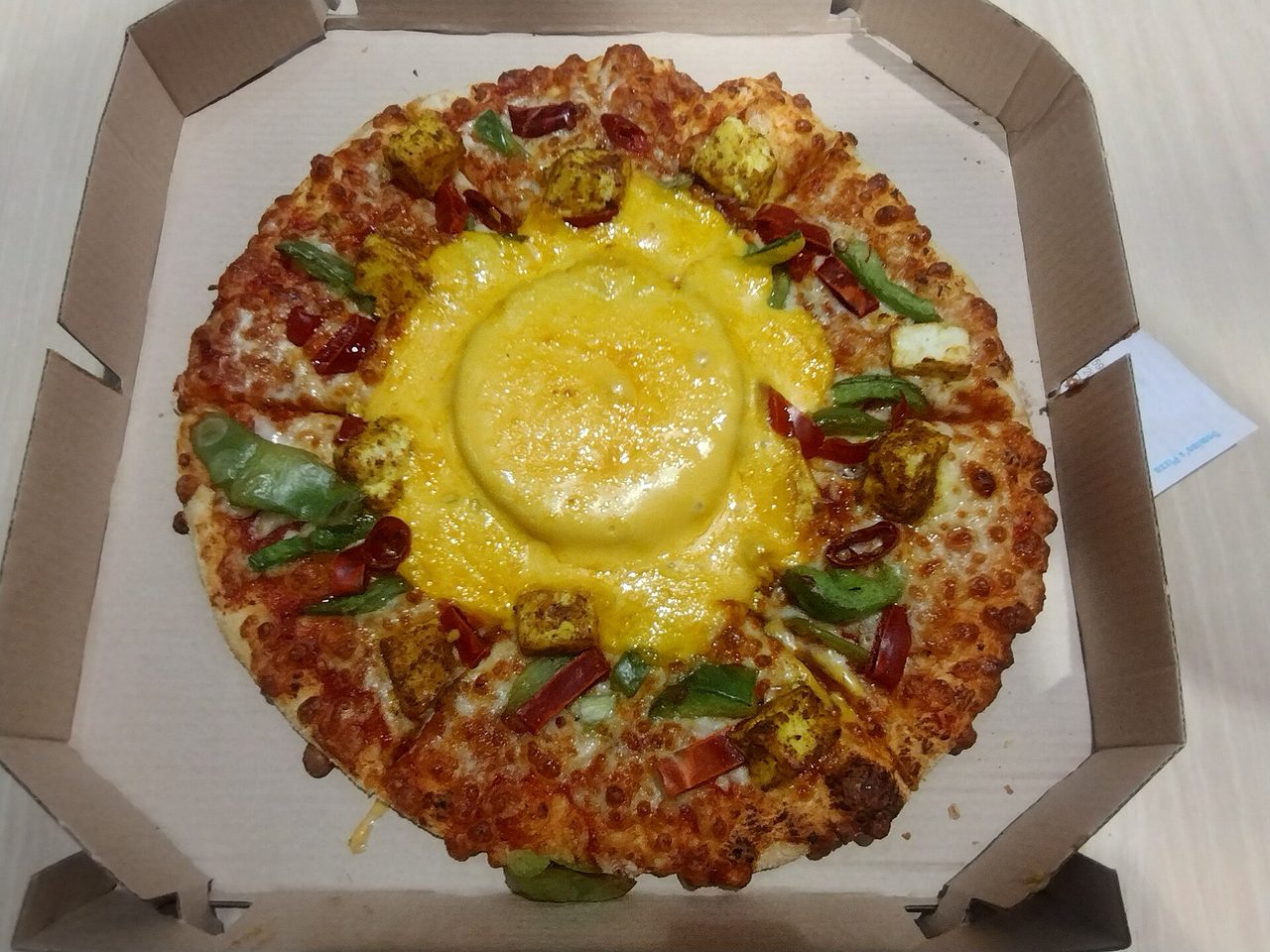
Photo: Gpkp / CC BY-SA 4.0 · via Wikimedia Commons
Domino's U.S. Same-Store Sales Rise Just 0.3% as Growth Slows for a Third Straight Quarter
U.S. comps up 0.3%, versus 5.2% a year ago
Domino's reported third-quarter fiscal 2026 results on October 13, with U.S. same-store sales growing just 0.3% compared with 5.2% in the same quarter last year. International same-store sales rose 0.2% excluding currency effects, down from 1.7% a year earlier. It was the third consecutive quarter of U.S. comps below 1%, following 0.9% in Q1 and 0.1% in Q2. Global retail sales grew 3.2% to $4.84 billion, well off the 6.3% pace set a year ago.
Profit beat estimates on supply chain strength
Top-line softness did not stop the company from beating expectations. Revenue climbed 3.4% to $1.19 billion, while diluted earnings per share rose 12.7% to $4.60, ahead of analyst estimates in the $4.33 to $4.37 range. Net income increased 9.2% to $152.2 million and operating income rose 8.3% to $241.8 million. The supply chain segment did much of the work: its gross margin expanded 0.9 percentage points to 12.2% on procurement productivity.
More orders, but fewer items in each one
Management framed the 0.3% as a tug of war. Order counts grew in both delivery and carryout, and aggregator platforms kept adding volume, but the average ticket fell as items per order declined in carryout and first-party delivery. Pricing rose 1.2% in the quarter, not enough to offset the shrinkage. Company-owned stores posted 1% comps against 0.3% for franchised locations; carryout comps rose 1% while delivery comps fell 0.3%. CFO Sandeep Reddy said the drop in items per order became more pronounced through the quarter.
Management points to the macro backdrop
CEO Joe Jordan, who took the helm earlier this month, told analysts he expects the macro environment to remain "an overhang on the consumer through the balance of the year," with demand still challenging across quick service and pizza. Reuters attributed the caution to persistent inflation, intensifying competition and a softening U.S. labor market that have made consumers more reluctant about discretionary spending — a particular risk for a chain whose customers are highly sensitive to prices and gas costs.
Delivery apps eroded a once-unique edge
Domino's built its moat on a proprietary delivery fleet, but DoorDash, Uber Eats and their peers turned delivery into a commodity every restaurant can offer. Jordan said Domino's is now the largest pizza brand on both DoorDash and Uber, yet still trails its share of the overall pizza market on those platforms. Aggregators are a source of incremental orders even as they dilute the exclusivity of the delivery advantage.
Rivals are closing stores, yet the fight is tighter
Trade publication Restaurant Dive notes Domino's remains the strongest QSR pizza performer on same-store sales: Papa John's and Pizza Hut continue to post comps declines and have each closed hundreds of locations this year, with Papa John's targeting 300 closures by 2027. Competitors are exiting, but platform aggregation keeps the remaining fight for each order more crowded.
Franchisee profits are stalling new openings
Executives acknowledged that franchisee profitability is under pressure, weighing on development sentiment and operators' willingness to open more stores. Domino's added 175 net stores in the quarter — 26 in the U.S. and 149 internationally — taking the system to 22,706 locations, with 956 net additions over the trailing four quarters. With comps near zero, system growth leans harder on openings, and openings depend on franchisee economics.
Guidance trimmed, shares slip about 3%
Domino's scaled back its full-year outlook, now expecting U.S. same-store sales at the low end of its low-single-digit growth range, with international comps similarly muted, because the challenging macroeconomic and competitive environment is assumed to continue through year-end. Shares fell about 3% in early trading. The stock is down roughly 36% over the past five years.
The new CEO's bet: orders first, tickets second
Jordan called growing order counts the most important thing a brand can do in the current environment and vowed to turn "our best performance into our everyday performance." The personal-sized, Detroit-style Domino launched in August is meant to create new occasions, especially single-diner orders on aggregator platforms, while the remaining marketing calendar is expected to lift tickets and, ultimately, franchisee profitability.
What to watch next
Through the first three fiscal quarters, revenue reached $3.53 billion, up 3.7%, net income was $427.7 million, up 1.8%, and diluted EPS rose 4.7% to $12.80. The question ahead is not whether Domino's can raise prices again, but whether items per order stop falling, order counts keep growing, and the consumer recovers before the guidance is trimmed once more.
Sources
- Reuters
- Quartz
- Zacks
- Nation's Restaurant News
- Pizza Marketplace