Pope Leo XIV Has Lung Cancer; Surgeons Remove Lower Lobe of Right Lung
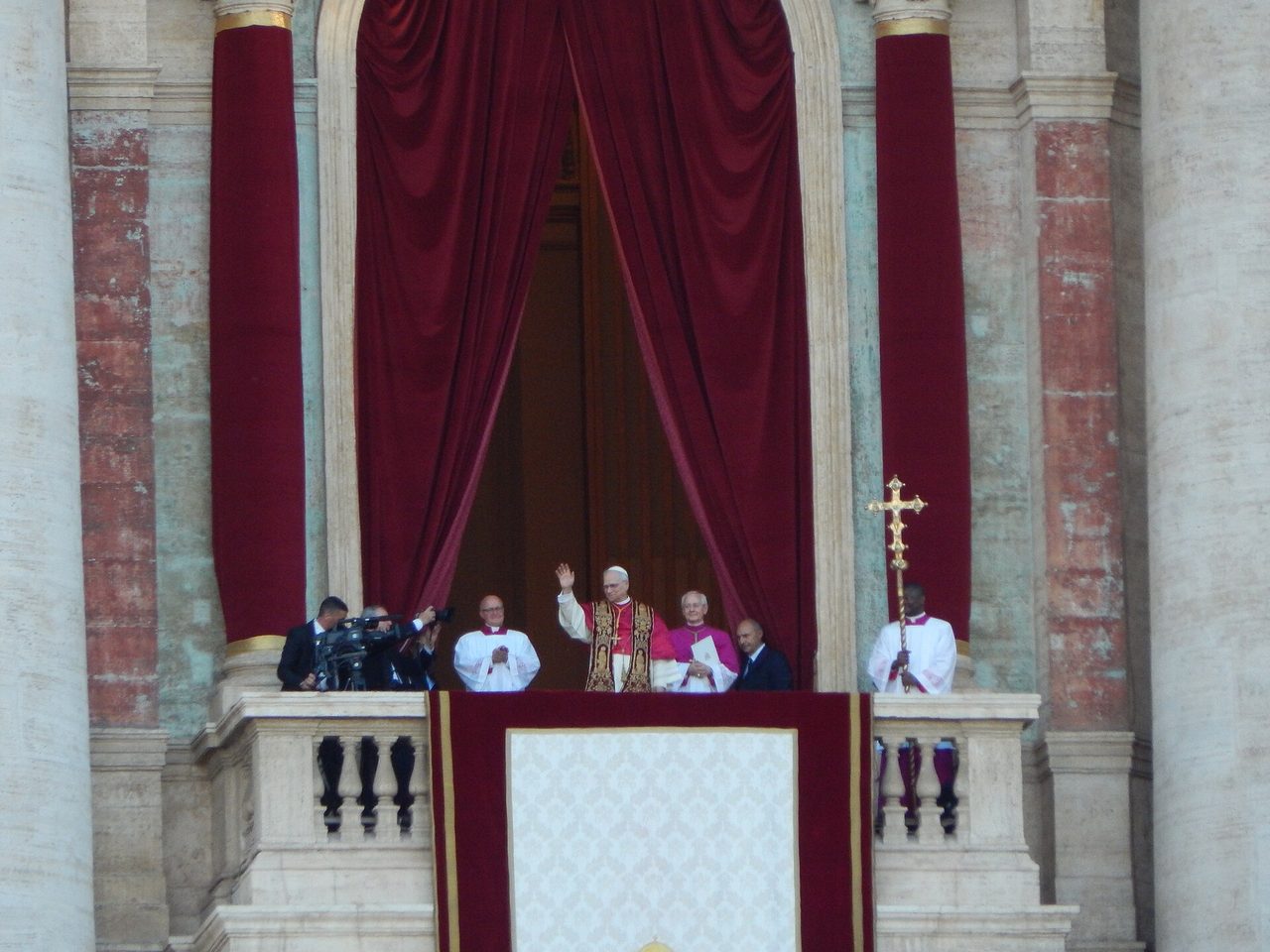
Photo: INFOWeather1 / CC BY-SA 4.0 · via Wikimedia Commons
Pope Leo XIV Has Lung Cancer; Surgeons Remove Lower Lobe of Right Lung
What the Vatican announced
On Tuesday afternoon the Holy See press office issued a medical bulletin confirming that Pope Leo XIV, 71, has lung cancer. Surgeons at Rome's Agostino Gemelli University Policlinic removed the lower lobe of his right lung during a chest operation that afternoon. "The surgery was successful, and there were no complications," the bulletin said, adding that the pope woke up normally and returned to his room. It is the first publicly disclosed serious illness of the American pope's 17-month pontificate, and his first hospital stay as pope.
How the diagnosis was made
The cancer was suspected on the basis of preoperative tests and confirmed by an intraoperative histological examination, which identified lung adenocarcinoma, a common form of the disease. To ensure the radical removal of the tumor, the lower lobe of the right lung was removed using a video-assisted technique. The pope was in the operating room for about three hours, while the surgery itself lasted approximately 90 minutes. The statement made no mention of treatment going forward, and the Vatican said doctors were not currently speaking of chemotherapy or other therapies.
A pope who announced it himself
During Sunday's Angelus prayer in St Peter's Square, Leo told the crowd that recent medical examinations had found a "localized nodule" in his lung, detected "at an very early stage" and well contained, and that, following his doctors' advice, he had decided to undergo surgery. Vatican spokesman Matteo Bruni said the operation was scheduled for the first days of the week and that estimated post-operative recovery was about a week. Wire services and broadcasters alike called the disclosure unusually transparent for a papacy.
Who operated, and how he got there
The surgical team was led by Gemelli's chief thoracic surgeon, Dr Stefano Margaritora, working alongside Dr Luigi Carbone. Leo left the Vatican shortly before 1 p.m. and his convoy drove about 9 km (5.6 miles) north to the hospital, where he waved from the back of a black SUV to well-wishers gathered outside the walls and at the entrance. Gemelli has held a papal suite since the 1981 assassination attempt on John Paul II and has been the main papal hospital for decades.
What doctors say about the outlook
Oncologists said before the operation that even if the nodule proved cancerous, Leo's prognosis would be "excellent" because it was caught early and removed. Dr Stephen Liu of Georgetown's Lombardi Comprehensive Cancer Center cautioned that "while we know the diagnosis we now need to know the stage": how large it is, how many spots in the lung are involved, whether there is one nodule or more, and whether the lymph nodes are cancerous. If the cancer has spread, further tests would determine whether chemotherapy, a combination of chemotherapy and immunotherapy, or targeted therapy is needed. A Vatican source told AFP that additional tests are under way to establish whether the disease has spread.
Schedules wiped through October 20
The Vatican cancelled all of Leo's audiences through Oct 20. He missed the Oct 13 ceremony at Castel Gandolfo inaugurating the "Pope Leo XIV Sustainability Medal," an award created by his alma mater, Villanova University, and is expected to miss his Oct 16 address to an international infertility conference; organizers of a family ministry meeting delayed their final statement until he recovers. Wednesday's closing Mass in St Peter's Square passes to Cardinal Luis Antonio Tagle, 69, the new dean of the College of Cardinals and the first Asian in the role. Vatican officials said day-to-day operations continue, while documents needing his personal signature are deferred.
The South America trip hangs in the balance
The pivotal question is the Nov 6-17 tour: Uruguay from Nov 6 to 8, Argentina until Nov 11 with stops in Buenos Aires, Córdoba and Luján and a meeting with President Javier Milei, then Peru from Nov 11 to 17, where Leo served as bishop of Chiclayo. The Holy See said the final decision depends on his progress after surgery. Tokyo Cardinal Tarcisio Isao Kikuchi, who met him Monday, said Leo opted for surgery quickly in order not to change his plans for future overseas trips, adding that it is not an emergency. Oncologists often advise patients not to fly for three weeks after surgery, which would leave roughly the interval needed before Nov 6.
What to watch next
Final pathology results can take a few days, and the stage remains unknown. Three things will decide how the next weeks look: the completed pathology and staging, whether the roughly one-week hospital stay ends on schedule, and whether public events resume after Oct 20 as planned — with the South America journey the clearest test of his recovery.
Sources
- Associated Press
- CNN
- DW
- Boston Globe
- Vatican News