NY Fed's Williams Sees No Rate Hike Needed in 2027, but One More Coming in 2026
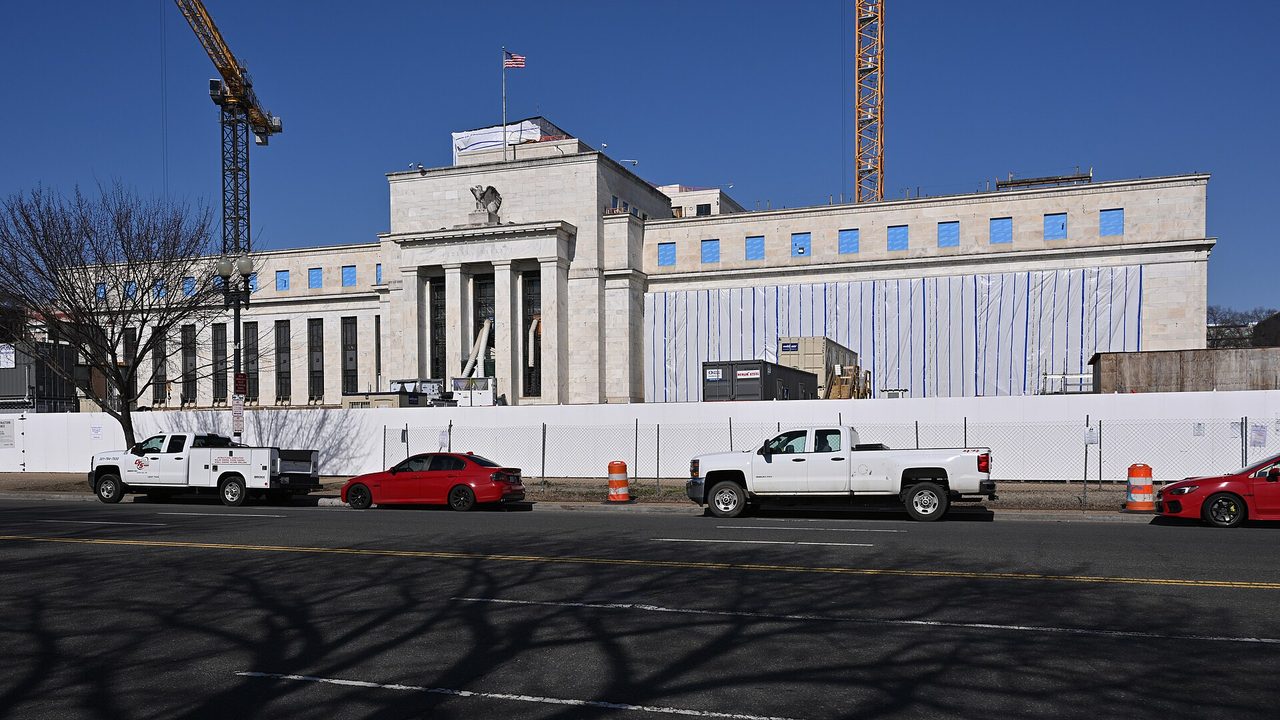
Photo: G. Edward Johnson / CC BY 4.0 · via Wikimedia Commons
NY Fed's Williams Sees No Rate Hike Needed in 2027, but One More Coming in 2026
New York Federal Reserve President John Williams said Tuesday that he still expects one more interest-rate increase this year, but does not currently see any reason for the central bank to hike again in 2027. The comments, made in an interview with Bloomberg News at the New York Fed, quickly moved markets and drew wider coverage from Reuters, CNBC, Business Times, Quartz and others.
"No Reason to Do More" After One More Hike
"I haven't changed my view that it may be appropriate to have one more rate hike," Williams said. When it comes to 2027, he added: "I don't think at this time I have any reason to believe that we would need to do more." He left the door open for data to change that outlook, saying "we'll have to see" what happens next year.
Inflation to Slow "Quite a Bit" Toward 2% in 2027
Williams said there are still signs inflation will slow "quite a bit" and approach the Fed's 2% target. "My forecast for inflation for next year is inflation to come down quite a bit — overall inflation to be near our 2% target for the year as a whole next year," he told Bloomberg, noting that tariffs "will be totally in the rearview mirror" and that energy prices will not be adding to inflation next year or beyond.
Not an Overheating Economy; AI the Key Watch
Williams attributed near-term price pressures to high energy prices tied to the war in the Middle East and to tech-sector investment, insisting: "This is not an economy that is overheating overall." He named artificial intelligence as the inflation driver he is watching most closely — a notable signal about where policymakers expect the next surprise.
Near Neutral, With Real Neutral Rate Above 1%
Williams, who co-authored one of the most widely cited models for estimating the neutral rate, said his estimate has moved up modestly in recent years. He currently pegs the real neutral rate — which strips out inflation — at 1% "or a little above that." "If the economy performs over the next year as I expect, we're not that far from neutral," he said.
Lined Up With the Median, Against Market Pricing
His remarks put him in line with the median of the Fed's September projections, after officials voted 12-0 on September 16 to raise the federal funds rate by a quarter point to a range of 3.75%-4% — the first hike since July 2023. Colleagues including Cleveland Fed President Beth Hammack and Dallas Fed's Lorie Logan have said more than one additional move may be needed. Meanwhile, federal funds futures pricing shows investors still expect a December hike and two more increases in 2027.
Markets Rally: Yields and Dollar Fall
Treasury yields fell after the remarks, with the 30-year down about 3.4 basis points to 5.565% and the 10-year down about 2.5 basis points to 5.219%, while the 2-year held steady near 4.795%. The dollar index extended losses, falling 0.36% to 102.17. Utilities shares rose sharply as yields declined.
What Comes Next: CPI and Two FOMC Meetings
The September consumer price index is due Wednesday, followed by the FOMC's October 27-28 meeting and a December 9 decision. Minutes of the September 15-16 meeting, released October 7, showed most participants expect another increase by year-end, though most analysts see an October move as unlikely. Williams' September 29 speech in Buffalo — saying only one more hike was needed in 2026 and there was little urgency — had already led investors to price out an October hike. His latest comments effectively cap how far markets can push expectations for the peak rate.
Sources
- Bloomberg: Fed Williams Currently Sees No Need for Rate Hike in 2027
- Reuters: Fed Williams sees no need for rate hike in 2027, Bloomberg News reports
- CNBC: John Williams Fed rate outlook for 2027
- Fed Williams currently sees no need for rate hike in 2027
- Quartz: NY Fed John Williams sees no rate hikes in 2027