Pouches, Vapes or Cigarettes: Ranking Nicotine by Actual Harm
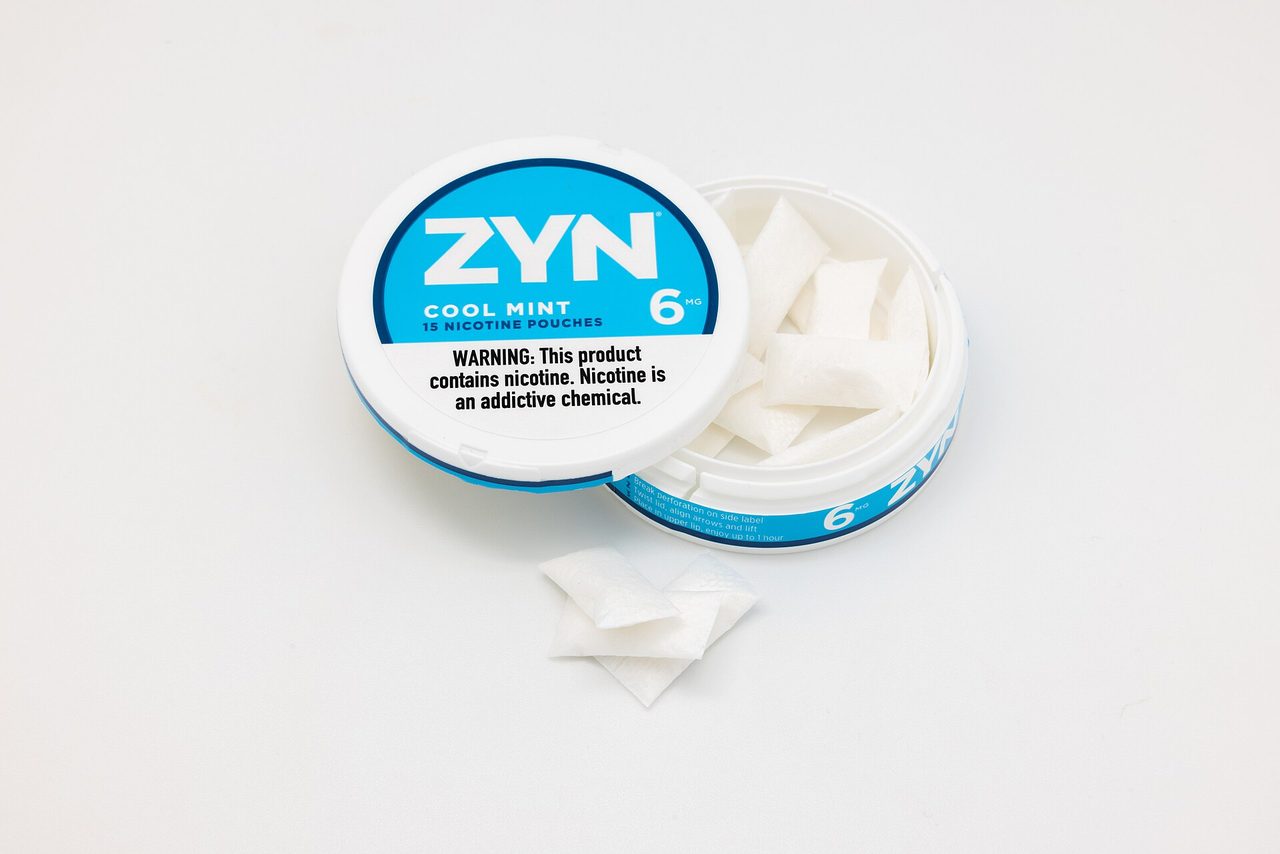
Photo: Aphis Marta / CC BY-SA 4.0 · via Wikimedia Commons
Pouches, Vapes or Cigarettes: Ranking Nicotine by Actual Harm
Burning, Not Nicotine, Is What Kills
The clearest finding in The Conversation's October 13 expert explainer is a distinction most public debate collapses: the main source of cigarette harm is burning tobacco, not the presence of nicotine. Combustible products expose users to thousands of chemicals produced by burning; vapes deliver nicotine without combustion; pouches deliver it without inhaling anything at all. The same piece notes that 6.5% of US adults reported using e-cigarettes in 2023, while past-year nicotine pouch use climbed from 3.4% in 2023 to 5.9% in 2024. The World Health Organization's current fact sheet puts tobacco deaths at more than 7 million a year, including 1.6 million non-smokers killed by second-hand smoke, with about 1.2 billion users still remaining worldwide.
New Delhi Sends States a Crackdown Letter
Reuters reported on September 25 that India's health ministry wrote to every state on September 19, warning that oral nicotine pouches are increasingly available "through online and offline channels" and that "nicotine exposure is of particular concern among children." The letter told states to "initiate appropriate enforcement action in accordance with the law, in the interest of public health and protection of children," invoking drug-law powers of search, seizure and prosecution. The Economic Times named Zyn and White Fox among the globally popular brands sold illegally in India, where no pouch has been approved. The groundwork was laid in April, when an investigation found duty-free shops at Mumbai airport, run by Gautam Adani's group, breaking the law; on September 22 the Bombay High Court held that duty-free stock remains subject to Indian domestic regulation.
The FDA Points the Other Way
On June 30, 2026, the US Food and Drug Administration issued the first modified-risk tobacco product orders ever granted to a nicotine pouch, covering 20 ZYN variants made by Swedish Match USA, a Philip Morris unit. The authorized claim: "Using ZYN instead of cigarettes puts you at a lower risk of mouth cancer, heart disease, lung cancer, stroke, emphysema, and chronic bronchitis." The orders run five years, require mandatory market monitoring, and can be withdrawn if surveillance shows rising youth use or loss of public-health benefit. Eleven ZYN ULTRA products authorized in August are not covered. Michael Seilback of the American Lung Association called on the agency to reverse course, arguing flavored pouches are already reaching young people.
135 Studies, One Blunt Conclusion
A scoping review published September 6 in Nicotine & Tobacco Research, led by Nargiz Travis of Georgetown's Lombardi Comprehensive Cancer Center with Kenneth Warner, Jamie Hartmann-Boyce and Maciej Goniewicz, added 73 new studies to a base of 62 — 135 in all. Its bottom line: oral nicotine pouches are "considerably less toxic than cigarettes, but their long-term health impacts remain understudied." Human exposure data back that up — US survey respondents who used only pouches carried lower levels of cadmium, uranium and minor tobacco alkaloids than smokers, and lead levels below those of smokers and vapers, comparable to non-users. Britain's Royal College of Physicians places oral pouches well down the risk ladder from smoking, behind only medicinal nicotine replacement.
Vapes Still Own the Quit-Smoking Evidence
Cochrane's living systematic review, updated in October, now spans 80 randomized trials and 29,861 participants, with nine new trials added. The verdict remains high-certainty: nicotine e-cigarettes help about four more people per 100 quit permanently compared with nicotine replacement therapy, and about two more than nicotine-free devices. "Although nicotine vapes are unlikely to be completely risk-free, they are less harmful than smoking," said lead author Nicola Lindson of the University of Oxford. Her colleague Jamie Hartmann-Boyce was blunter: there is "very strong evidence that regulated nicotine e-cigarettes are substantially less harmful than smoking." The Conversation adds the caveat that neither vapes nor pouches are FDA-approved cessation treatments, and pouch evidence for quitting remains thin.
Youth Numbers Are What Drive the Politics
A public health alert issued October 5 by the University of Minnesota's CIDRAP with NEJM Evidence, based on the 2025 National Youth Tobacco Survey, found 5.2% of US students currently vape and 1.7% use nicotine pouches — about 460,000 students, 69.2% of them Zyn users, 90.8% choosing flavored products, mint leading at 60.9%. Pouch use among students has risen from 0.8% in 2021 to 1.7% in 2025. Monitoring the Future data show past-30-day use among 10th and 12th graders doubling from 1.3% to 2.6% between 2023 and 2024.
Switchers and First-Timers Are Different Cases
The Conversation is explicit that relative harms "vary significantly" between a current smoker who switches to an e-cigarette and a non-smoker who starts vaping — and that the same distinction applies to pouches, whose lower chemical exposure "does not make them risk-free, particularly for adolescents and other nonsmokers." Nature warned on September 28 that the long-circulating "95% safer" public-health message has been outpaced by evidence on childhood vaping. Ireland's Taoiseach Micheál Martin said on September 8 that vapes are "nearly worse than cigarettes"; researchers including Hartmann-Boyce pushed back, arguing such claims deter smokers from switching and entrench the deadliest product.
What Comes Next
Three tracks run in parallel. Indian states must now enforce the September 19 letter against online sellers, local stores and duty-free retail already tested in court. The FDA's five-year orders rise or fall on surveillance data, particularly youth use. And researchers still owe the field long-term health data on pouches, the gap the 135-study review flagged. For adults who still smoke, every line of evidence points the same way: non-combustible products are far less harmful than cigarettes. For teenagers who do not smoke at all, the answer is simpler — neither pouches nor vapes is a place to start.
Sources
- Reuters: India orders crackdown on nicotine pouches, citing health risks, letter shows
- The Conversation: Nicotine pouches, vaping or cigarettes: Which nicotine product is actually the least harmful?
- India orders crackdown on nicotine pouches, citing health risks
- India orders crackdown on nicotine pouches
- Press Network of India: Adani duty-free nicotine pouch sales hit as Bombay HC rules airport shops bound by Indian law