Republicans Dig In: The 15 Statehouse Battlegrounds That Will Decide 2026
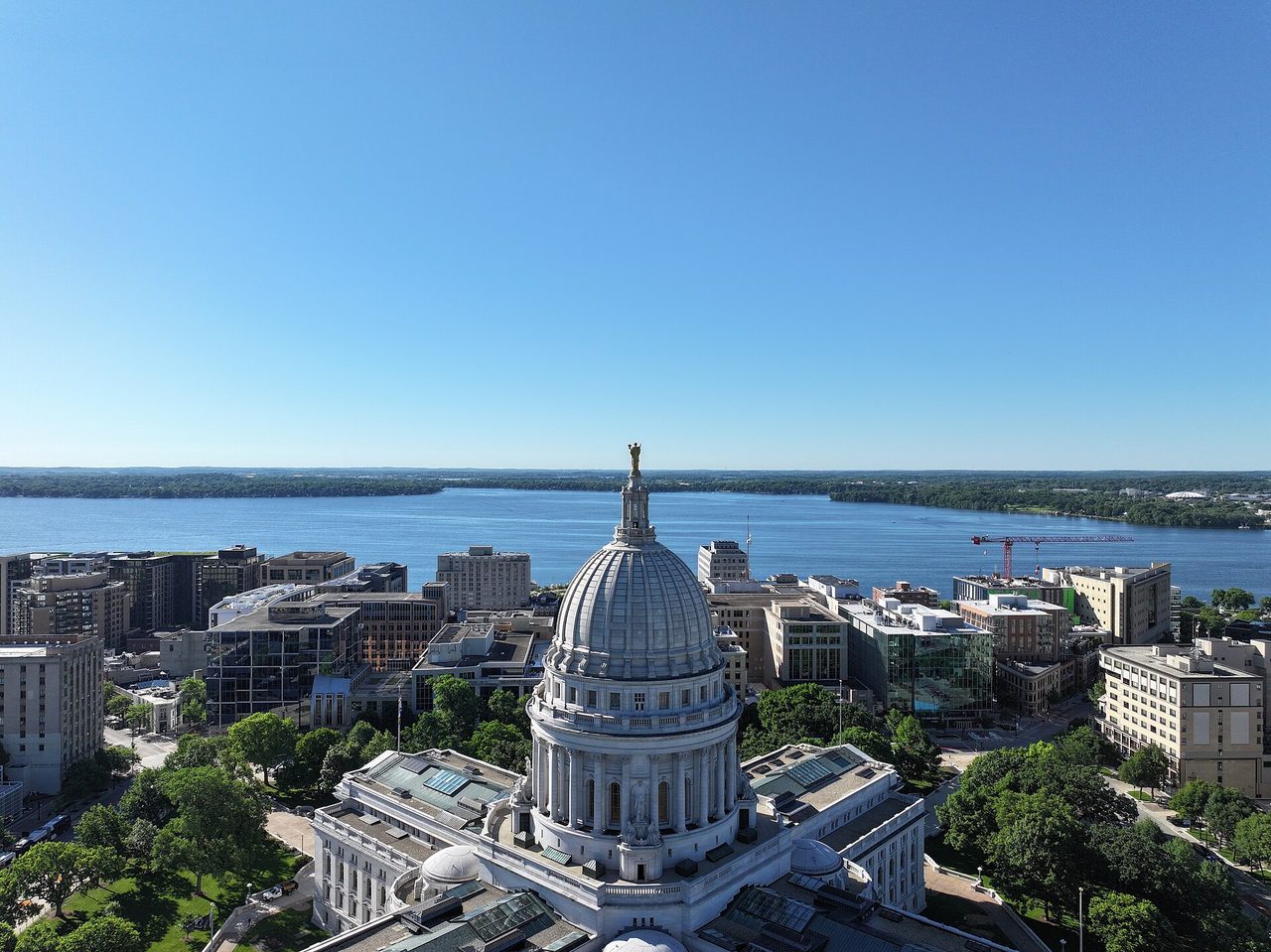
Photo: Justin Meyers / Public domain · via Wikimedia Commons
Republicans Dig In: The 15 Statehouse Battlegrounds That Will Decide 2026
More Than 6,100 Lawmakers Face Voters on Nov. 3
Voters in 46 states elect state legislators on Nov. 3. Ballotpedia counts 6,137 seats on the ballot; the Associated Press, citing the National Conference of State Legislatures, counts more than 6,100 lawmakers, about 83% of all seats nationwide, with 36 states also electing governors. Legislatures set tax rates, school funding, energy permits and election rules. The Washington Post notes Republicans have held more seats than Democrats since 2010, when the party netted nearly 700 seats and seized 20 chambers. Counting trifectas, Republicans hold 23, Democrats 16, and 11 states are divided.
Only Fifteen Chambers Are Truly in Play
Sabato's Crystal Ball, at the University of Virginia's Center for Politics, published its final handicapping on Oct. 16. Fifteen chambers are competitive: nine are Republican-held, three Democratic, both Alaska chambers are run by bipartisan coalitions and the Minnesota House is tied. Columnist Louis Jacobson shifted ratings for 10 chambers, all toward Democrats. He also flagged 15 chambers expected to stay Republican where Democrats could whittle away majorities or break supermajorities - the votes needed to override a veto - including the Georgia Senate and the Indiana, Kansas, Florida and Texas chambers.
Both Party Committees Concede the Shift
Democratic Legislative Campaign Committee president Heather Williams calls 2026 "a once-in-a-generation opportunity," with the DLCC fielding its largest target map ever across more than 500 races. Her Republican counterpart, RSLC president Edith Jorge-Tunon, is blunt: "I think we knew going into this cycle, Democrats have an advantage." An April RSLC memo called the environment one of the most challenging for state Republicans in recent years and set a "defensive-first posture." Obama, in a DLCC fundraising email, warned of "critical program gaps."
A National Environment That Favors Challengers
A PBS/NPR/Marist poll put Democrats ahead 53% to 41% on the generic ballot; an Emerson survey found 53% to 42%, with independents favoring Democrats by 25 and 29 points respectively, per The Hill. This is the first midterm of Trump's second term, a cycle that usually punishes the party in power; 2010, when Republicans went on offense, is the mirror image. Local factors matter too: Wisconsin's new maps, in force since early 2024, and retirements by prominent Republican senators.
Uncontested Incumbents Hit a Record Low
Ballotpedia's 16th annual competitiveness report adds another signal: of 6,137 seats up, 2,085 (34%) have only one party on the ballot; both major parties are contesting 66% of seats, just shy of the 2018 record of 66.3%; 1,156 incumbents (22.8%) faced contested primaries; 1,064 seats (17.3%) are open. Most striking, only 979 of 4,888 incumbents seeking re-election (20%) are uncontested - a record low. Minnesota is more extreme: 17 House and four Senate races have no Republican candidate, the fewest for a major party there since at least the 1990s (MinnPost). In New Hampshire, Democrats left 42 House seats unfilled and Republicans 75.
Wisconsin: Both Chambers Now in Play
Republicans have run the Wisconsin Legislature since 2011. They hold 54 of 99 Assembly seats, so Democrats must hold everything and net five more; the Senate is 18-15 Republican and Democrats need at least two. On Oct. 16 the Crystal Ball moved the Senate from toss-up to leaning Democratic, leaving the Assembly a toss-up. Money is the GOP's buffer: billionaire Diane Hendricks gave the two Republican campaign committees nearly $8 million, Urban Milwaukee reports. Still, the Assembly Democratic Campaign Committee raised about $6 million from July 1 to Sept. 23, including $3.5 million from members of the Munger family, according to WPR.
Michigan's House Needs Just Four Seats to Flip
Republicans hold Michigan's House 58-52; Democrats need a net of four seats. The DLCC is targeting 16 districts, 10 of them Republican-held. Democrats lead the Senate 20-18, their first majority since 1984. With the governor's office and both chambers on the ballot, a sweep would give Democrats their first trifecta since 2024.
Supermajority Math in Colorado, Georgia and Pennsylvania
In Colorado, Republicans are spending more than $1.6 million to defend a Douglas County Senate seat held for 15 years and deny Democrats a supermajority (Colorado Sun); across six key districts, Democratic candidates averaged over $150,000 against $88,682 for Republicans, a gap GOP super PACs offset (Colorado Newsline). Georgia Democrats hold 81 of 180 House seats and need a net gain of 10. Pennsylvania's Senate has been Republican for 32 years, but Democrats flipped a Butler County district Trump won by 18 points in August, and Gov. Josh Shapiro gave the state party more than $5.6 million this summer.
Illinois Shows the Limits of a Wave
The Chicago Tribune reported on Oct. 13 that Republicans are seizing on how House Speaker Emanuel "Chris" Welch handled harassment allegations against former state Rep. Harry Benton, after a July Tribune investigation found Welch knew of the complaints three years earlier. That same month Rep. Carol Ammons, her husband and their daughter were indicted on charges including wire fraud. New state GOP chairman Bob Grogan cites a "gap of moral courage." Yet the Tribune reported Oct. 16 that Democrats and Gov. J.B. Pritzker still outraise their rivals - and Republican nominee Darren Bailey concedes that races in Florida, Texas and Iowa pulled away money once headed to Illinois.
Turnout, Funding Gaps, and Super PAC Money
Nov. 3 will shape taxes, schools, health care and election law in the states for two years, and the redistricting leverage of 2028 and 2030. Three things to watch: early and suburban turnout, whether the DLCC closes what it calls its program gaps, and whether Republican super PAC money can buy back the difference. The Crystal Ball's verdict: Democrats have a real shot in 15 chambers and may have to settle for shrinking GOP majorities in another 15 strongholds.
Sources
- Associated Press
- NBC News
- Stateline
- Ballotpedia News
- MinnPost