Googlebook reviews are in: Android on a laptop is still Android
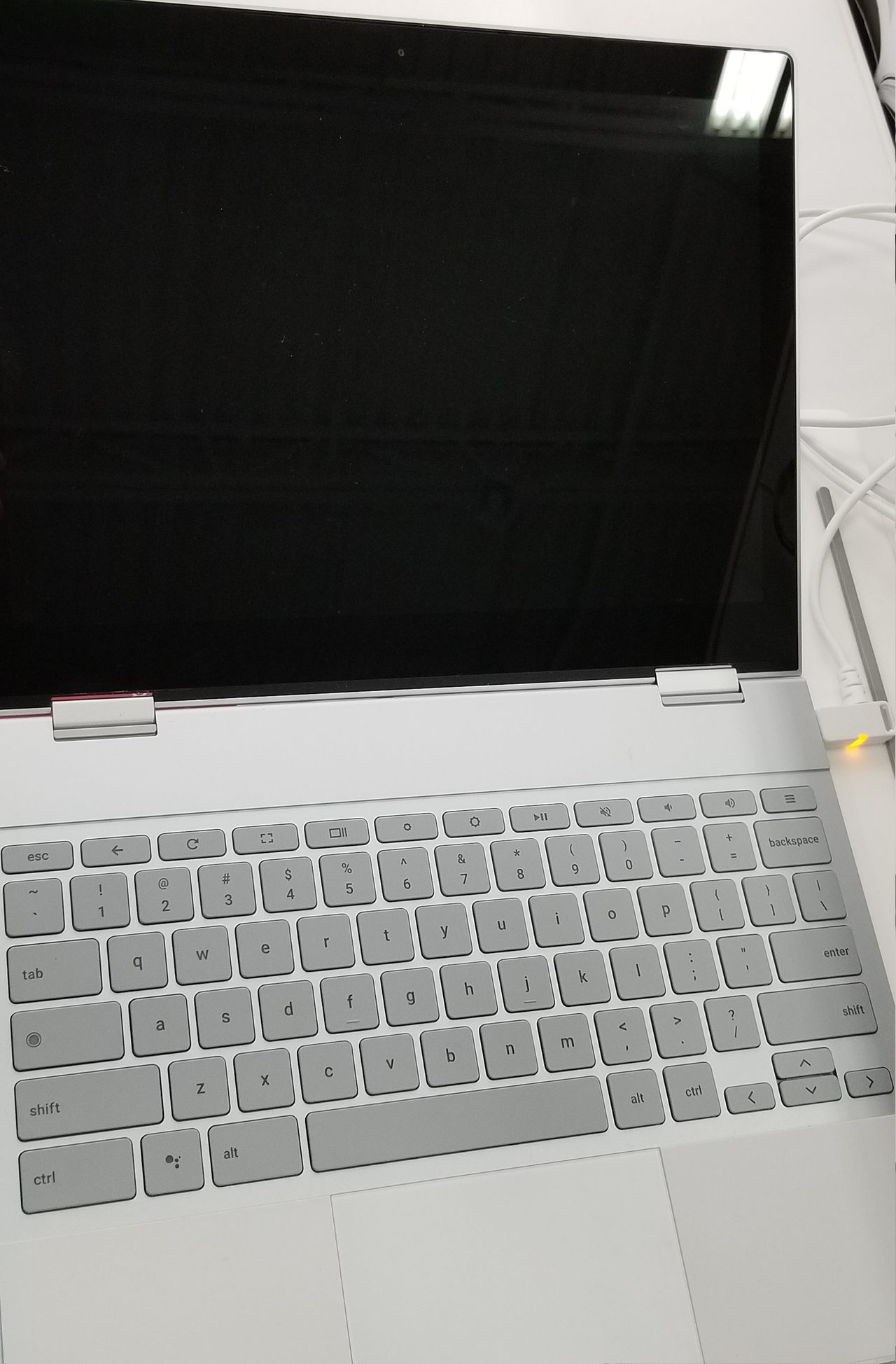
Photo: Frmorrison / CC BY-SA 4.0 · via Wikimedia Commons
Googlebook reviews are in: Android on a laptop is still Android
Five laptops, $899 to $1,299
Google opened pre-orders on September 21 and shipped the first five Googlebooks on October 4, built by Acer, Asus, Dell, HP and Lenovo and priced from $899 to $1,299, with only the Acer Googlebook 14 at the entry price (The Verge, Ars Technica). Every model starts with 16GB of RAM and 512GB of storage, up to 32GB on some, and all of them have touchscreens, aluminium or magnesium bodies and fingerprint or face unlock (Ars Technica, PCWorld). Silicon splits two ways: Snapdragon X Elite in Dell's and HP's machines, Intel Core Ultra Series 3 Panther Lake in Acer, Asus and Lenovo, both with 45-TOPS NPUs and fanless designs (Ars Technica).
The OS reports itself as Android 17
Googlebook OS is the Android stack bolted onto ChromeOS desktop foundations. PCMag found that benchmark tools list the operating system simply as "Android 17", and Expert Reviews calls it a desktop build of Android 17. Ars Technica's verdict is blunter: sometimes it feels like a Chromebook, sometimes like a giant phone, almost never like a premium laptop, and that is the problem. 9to5Google titled its October 12 OS review "It's Android, stupid."
Google: the web version is the best version
Gmail, Docs, Calendar, Sheets and YouTube all run as web experiences rather than their Android apps (Android Authority, 9to5Google), with YouTube and YouTube Music shipped as Trusted Web Activities distributed through the Play Store. Mishaal Rahman, a Google developer advocate, told Reddit users the company wants users to get the "best version" of its apps, arguing the full desktop web experience is the gold standard for Docs, Sheets and Gmail after two decades of browser optimisation. Google also notes that 70 percent of laptop time is spent in a browser, and leaves the app-or-web call to developers (9to5Google, Android Headlines). Critics say that messaging undercuts a Play Store pitch built on millions of apps (WebProNews).
Most apps are still phone-shaped
The Play Store now sorts apps into five desktop labels: Made for desktop, Optimized for desktop, Compatible with desktop, Better on the website and Built for mobile. The Verge's reviewers found almost nothing outside core Google apps that qualifies as "Made for desktop", plus windows that blank out while resizing and inconsistent keyboard and mouse support (The Verge).
Phone pairing is the hook and the sore spot
Four Better Together features — Continue On, Cast My Apps, Quick Access and Notification Sync — require an Android 17 phone, and a Samsung handset needs One UI 9.0; Google only confirmed the Samsung rollout on October 10 (Ars Technica, Android Central, TechRepublic). The Verge describes connectivity that drops in and out, awkward app casting and file sharing that is "flat-out broken"; PCMag measured more than 30 seconds to copy a single photo from a phone.
A Linux VM for AI agents, not for apps
On October 12 Google opened its Googlebook Linux Terminal Preview: a Debian environment inside an isolated virtual machine with apt, git, ssh and Node.js, Python, Ruby, Go and Rust, localhost port forwarding, folder mounts only after explicit permission and a one-click VM reset. Google frames it around building with AI agents such as Antigravity rather than running Linux apps (Android Authority, Chrome Unboxed). The roadmap lists Linux GUI apps in the launcher, USB passthrough and ADB debugging, dynamic memory and storage scaling, GPU/NPU acceleration and VM persistence — with no dates attached (9to5Google, rrtechpulse).
Battery and benchmarks miss the pitch
In Tom's Guide's browser battery test the Lenovo Googlebook 15 lasted 10 hours 25 minutes against Google's claim of up to 16 hours of web browsing; the Dell XPS managed 10:04 and the Acer 14 10:25, next to 15:28 for a MacBook Air M5. The same outlet measured Snapdragon configurations roughly 50 percent ahead of their Intel counterparts overall, with battery runtimes across the range landing between 6 hours 18 minutes and 11 hours 52 minutes.
No cheap models, and IT isn't ready
Ars Technica lists high prices and the total absence of budget options among the drawbacks. Google's line is that Chromebooks are not being replaced: they keep the education and entry market, Chromebook Plus sits in the middle, and Googlebook is the premium tier (TechRadar). New ChromeOS support runs only through mid-2034 (9to5Google, Ars Technica). Expert Reviews, cited by windowsforum, notes Googlebooks still lack centralised IT management, and one analyst warns that cutting the cheap hardware line before the admin tools are ready would leave a vacuum for Windows laptops and iPads (TechInsights via gearxnews).
Web app installs fixed, multi-profile still missing
Chrome 155 now lets any webpage be installed as an app in its own window and pinned to the taskbar (Android Authority, 9to5Google), while the missing Chrome profiles are promised for a future update with no timeline (Android Authority, Chrome Unboxed). The app ecosystem, admin tooling and overall polish are the three things to watch.
Sources
- Ars Technica
- The Verge
- 9to5Google
- Android Authority
- Tom's Guide