Pennsylvania church's $20 food boxes draw 'scamming people' accusations
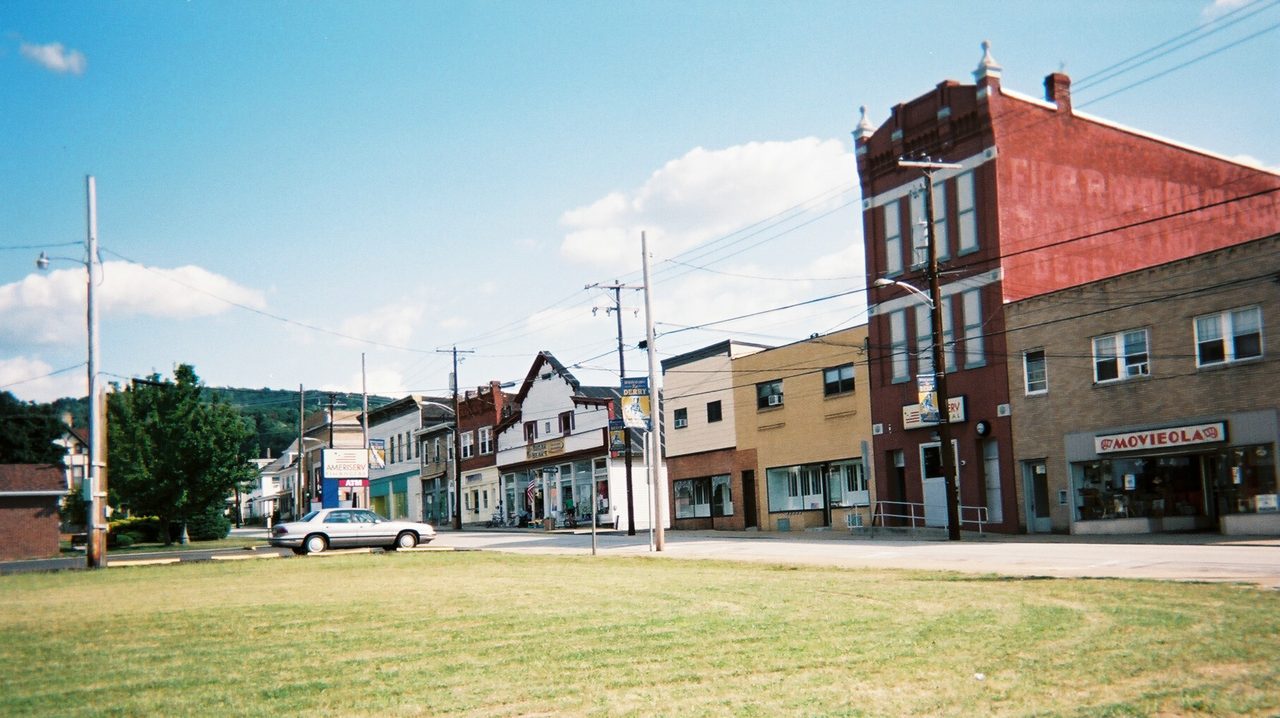
Photo: Canadian2006 / CC BY-SA 3.0 · via Wikimedia Commons
A $20 box billed as $175 worth of groceries
A church in Derry, Pennsylvania, is under fire over a program that asked people to donate $20 in exchange for a box of food. TikTok user GrunBun90 said the church advertised that the $20 would cover groceries for "the next few weeks" because each box carried a value of $175 to $200. "I feel like you're scamming people," she says in her video.
What was actually inside the box
Instead of a $200 haul, she said, the box held a 4.5-pound bag of Chick-fil-A fillets, twelve biscuits, one can of cream of chicken soup, a six-pack of Clover Valley toaster pastries, oatmeal cookies, a bag of popcorn, a fist-sized dessert from an unnamed bakery, a liter of Crush soda and six rolls of toilet paper. After checking prices online, she estimated the contents were worth less than the $20 she paid.
The pastor's answer: 'We are not a food bank'
GrunBun said she raised the discrepancy with the pastor and felt dismissed. She recalls him saying, "We are not a food bank, and I'm done with you, so go." She also alleges he claimed the 4.5-pound bags of Chick-fil-A fillets were worth $100 each and that he had paid $50 out of pocket for each one.
The chicken came from a donation program
The fillets and biscuits, she said, were donated through Chick-fil-A's Shared Table program, which sends unsold food from restaurants to food banks, churches and nonprofits instead of throwing it away. According to the program, more than 2,400 restaurants across the United States, Puerto Rico, Canada and the U.K. take part. That detail sharpened the backlash: some of what was packed into a paid box had arrived for free.
No names, no complaint on record
The original report did not identify the church or its pastor, and there is no indication of a formal complaint, regulatory inquiry or law-enforcement involvement. The dispute has played out on social media, where the gap between the advertised value and the actual contents is the central grievance.
A name that points several ways
"Derry, Pennsylvania" is not one place. The borough of that name sits in Westmoreland County with a population of about 2,637 at the 2020 census, and the state also has four Derry Townships. The report places the church only in "Derry, Pennsylvania."
Why it lands hard in a hungry state
The timing matters. Feeding Pennsylvania, citing a 2026 report, says food insecurity across the commonwealth has risen 44 percent since 2021. The head of the Central Pennsylvania Food Bank said demand had climbed 9.1 percent over roughly 18 months. For households stretching a budget, $20 is not spare change.
Charity and pricing in a gray zone
Charging for donated food puts the program somewhere between a fundraiser and relief work, and leaves room for people to feel misled. It also risks dragging in the businesses and charities that donate in good faith but have no say over how their goods are priced.
What comes next
Nothing so far suggests a legal case, and the church has not offered a formal response through the press. The episode will likely fade as a social-media story. The questions it raises — how community food programs should price a box, and whether donated goods should be sold at all — will not fade with it.
Sources
- The Mary Sue
- Yahoo News
- EIN News
- Chick-fil-A Foundation
- Wikipedia