Cool or Cringe: Readers Split Over Midcentury Modern
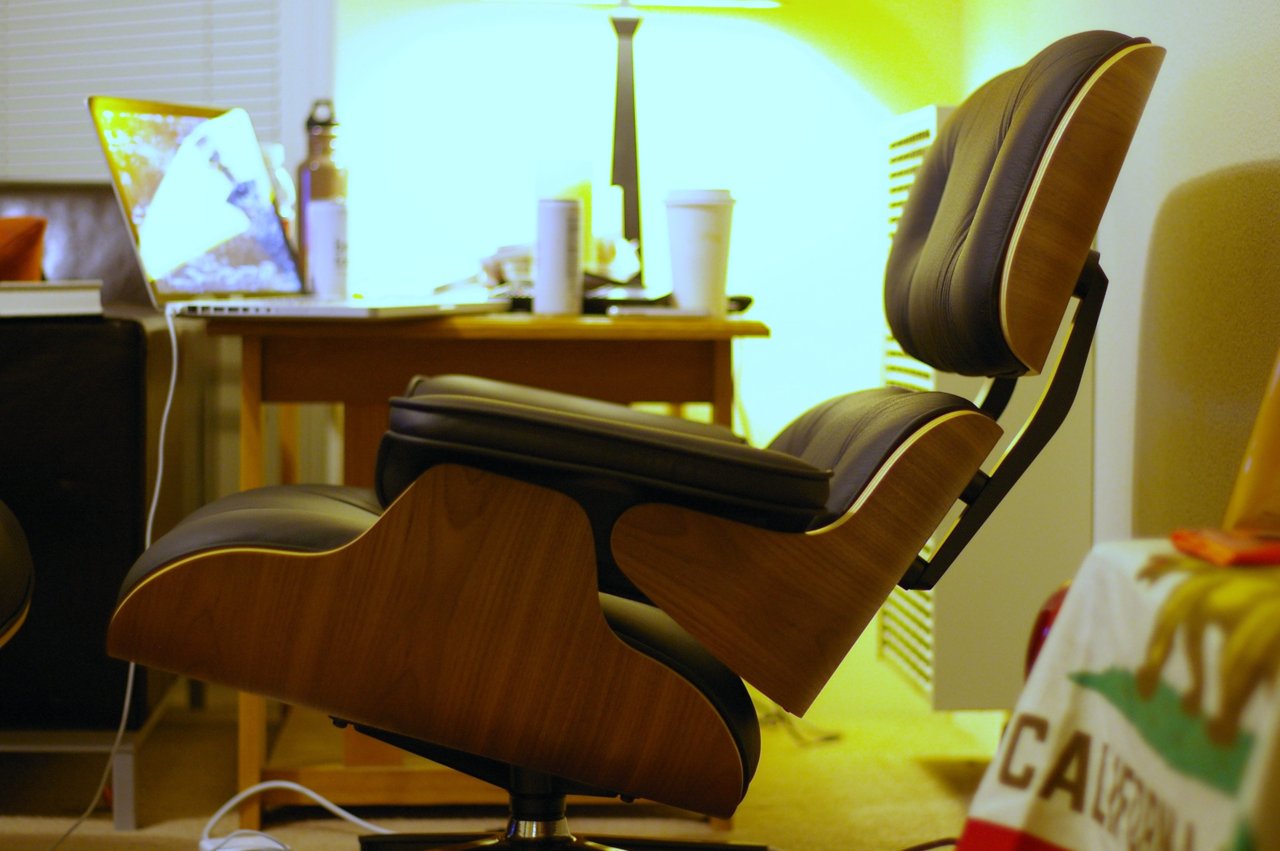
Photo: Casey Marshall / CC BY 2.0 · via Wikimedia Commons
Cool or Cringe: Readers Split Over Midcentury Modern
A WSJ column called the style 'millennial cringe'
On Oct. 3, Wall Street Journal design columnist Misty White Sidell published "How Midcentury Modern Design Went From Cool to Cringey," grouping midcentury modern furniture with leggings and pumpkin-spice lattes as shorthand for millennial cringe. On Oct. 17 she followed up with "Cool or Cringe? Readers Sound Off on the State of Midcentury Modern Design," whose subheading says hundreds of readers wrote in after she argued the style is in decline.
The look was born out of postwar optimism
Midcentury modern first appeared as America emerged from World War II, a furnishing style suited to suburban sprawl and a convenience-centered lifestyle. It was among the first decorating movements to be mass-produced nationwide, which produced a glut of pieces that eventually lost their allure and were often thrown out.
Social media and cheap knockoffs flooded the market
In the 2010s, millennials furnished rental apartments with secondhand finds and budget replicas, and the look spread across Instagram. West Elm, Article, Home Depot and Amazon all built lines imitating icons such as the Eames chair and Saarinen table. Sidell wrote in her follow-up that the style was "curdled by the heavy-handed embrace of millennials, Airbnbs and coffee shops," and that a decade of ubiquity drove the reputational downturn.
Resale data shows demand cooling first
Veronica Renton, a specialist at the decor-resale site 1stdibs, told the Journal that purchases of vintage mid-20th-century furniture fell 4% between January and June compared with a year earlier. Anthony Vesnaver, co-owner of the Newburgh Vintage Emporium in upstate New York, said dressers and other signature pieces now sit on the shelf longer than they did at the peak, and that midcentury bric-a-brac that once flew out the door goes unsold. Carleen Laronn, who styles rentals across Colorado, said clients asked her to refresh midcentury-leaning properties after bookings slowed.
Real pieces and mass-market copies are splitting
Blue Moon Estate Sales, tracking the market, reports that mass-produced midcentury furniture has fallen out of favor while authentic designer pieces in good condition are still in demand. Casey Lewis, a writer who curates vintage midcentury interiors, described the look as "the interior aesthetic that very much defines a moment in time, the pre-Covid, Hillary Clinton-running-for-president years."
Designers say the style survives the matching set
Asked by The Spruce whether midcentury modern would finally be out of style in 2026, designers pushed back. Nureed Saeed of Nu Interiors answered with one word: "never." Lauren Saab of Saab Studios said the signature pieces still feel relevant, but the pre-prescribed look has worn thin. House Beautiful's verdict is similar: an all-over midcentury scheme reads as oversaturated, even cringe-worthy, unless it is mixed with other styles.
The argument is really about who buys it
Dwell's take on the Journal piece is that the "millennial cringe" verdict seems focused on who is buying the furniture rather than the design itself. Morning Brew Daily turned the question into a segment: is midcentury modern cringe? The debate, in other words, is about the buyer, not the chair.
What comes next is a warmer modern
Designers point to a warmer version of modernism: stone, velvet, cane and handmade finishes, with neon palettes reduced to small doses. In 1stDibs' 2026 designer trends survey, 33% of designers planned to use chocolate brown, and 81% said they sourced furniture and decor from the 1920s through the 1990s. British marketplace Vinterior said sales to interior designers rose 53% year on year.
Who gets caught in the swing
Homeowners relisting credenzas, dealers betting on provenance, Airbnb hosts repainting midcentury rooms, designers breaking matched sets into layered rooms. For a style that has been popular for nearly 75 years, this looks less like an ending than a change of clothes.
Sources
- The Wall Street Journal: How Midcentury Modern Design Went From Cool to Cringey(Misty White Sidell)
- Dwell
- The Spruce: Designers Weigh In on Whether Midcentury Modern Still Belongs in Today Homes
- House Beautiful: 2026 Home Decor Trends
- Is Midcentury Modern Cringe?