A 1995 Castro Interview Resurfaces in a Miami Attack Ad
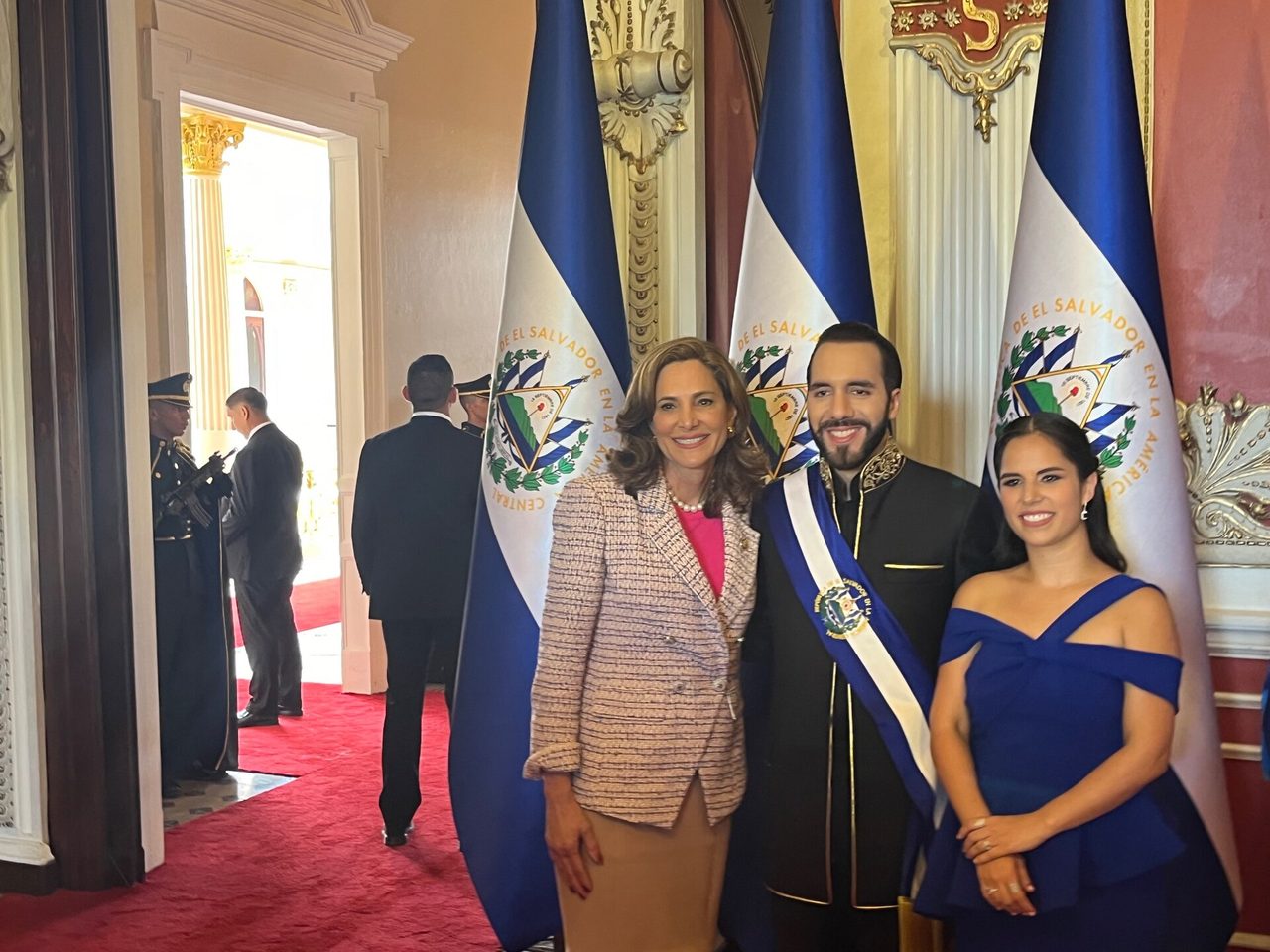
Photo: Rep. María Elvira Salazar Press Office / Public domain · via Wikimedia Commons
A 1995 Castro Interview Resurfaces in a Miami Attack Ad
Challenger Turns an Old Exclusive Into a Weapon
Democratic candidate Eliott Rodriguez, a former CBS News Miami anchor, posted an attack ad Saturday accusing Republican Rep. María Elvira Salazar of having "cozied up" to Fidel Castro to land an exclusive interview, as their race in Florida's 27th Congressional District heads into the final stretch before Election Day on Nov. 3. Salazar has held the seat since 2021 and is seeking a fourth term.
The Clip: "You, Comandante"
The spot leans on snippets of Salazar's interview with the late Cuban leader. "You, Comandante, the man who captured the imagination of the entire world in the 1960s," she says to Castro in one clip, according to the commercial. Another shows her describing talk of the revolution as "somewhat romantic." Rodriguez narrates: "She cozied up to a dictator and, now, she is cozying up to another wannabe dictator, Donald Trump."
The Challenger Chased Castro, and Got Shoved
The ad also cuts to Rodriguez's own footage from Cuba: him following Castro down a hallway after a press conference, saying he wanted to press the Cuban leader on democracy, political prisoners and free elections before a bodyguard pushed him aside. Both candidates are Cuban Americans and former television journalists.
Salazar's Camp Calls the Clip Recycled
Ana Carbonell, a spokesperson for the Salazar campaign, told the Miami Herald that "recycling clips unsuccessfully used by prior Salazar opponents" would not shield Rodriguez from the fact that he is backing a democratic socialist for Senate, or that he is "funded by a who's who of donors seeking to normalize relations with the Cuban dictatorship." The footage has been used before: in the 2018 Republican primary, opponent Stephen Marks built a commercial around the same excerpts, according to the Associated Press.
She Once Called the Charge "Defamatory"
Salazar has defended the interview for years. In a July 2018 interview on WPLG, she said she tried to play it "down the middle" as an impartial journalist, that the conversation was "an hour long and there are many segments where I'm tough," and that she had "been one of the staunchest, most hardest critics of the Cuban revolution on the air." "For this guy to come on the air and say I'm a Communist, I am livid," she said.
Immigration, Not Havana, Is the Live Wire
The ad lands in a race reshaped by immigration policy. On Sept. 17, Salazar released her own ad filmed in front of the White House telling Trump that "some of your immigration enforcement efforts have gone too far" and that the Hispanics who helped elect him in 2024 "feel betrayed today." Trump responded by amplifying a dozen posts attacking her on Truth Social, and Rodriguez mocked what he calls her late conversion.
A 74 Percent Hispanic District, Now a Toss-Up
The district takes in parts of Miami, Coral Gables, Kendall, Key Biscayne and Pinecrest and is roughly 74 percent Hispanic. Trump won it by 15 points in 2024, and Salazar took 60 percent of the vote that year. Polling is close: Bendixen & Amandi found the candidates tied at 45 percent among 600 likely voters in late August, while a House Majority PAC-funded Tulchin Research survey in September put Salazar ahead 47 to 46. Prediction markets that gave Salazar an 82 percent chance on Sept. 1 had her at 64 percent by late September.
Early Voting Is Already Under Way
Early voting in Miami-Dade County runs Oct. 19 through Nov. 1 at 28 locations, open 7 a.m. to 7 p.m. daily, with Election Day on Nov. 3. House Democratic Leader Hakeem Jeffries campaigned with Rodriguez in Pinecrest on Oct. 16, three days before the polls opened, and the DCCC has put the race in its Red to Blue program.
What Comes Next: Whose Cuba Story Wins
Neither side is really arguing about what happened in 1995 so much as who owns the Cuba story in a majority-Cuban-American district. Salazar's counterattack ties Rodriguez to socialism and to donors who favor engagement with Havana; Rodriguez has turned the socialism charge back on her, pointing to her past marriage to Arturo Cruz Jr., who served as Nicaragua's ambassador under Daniel Ortega's government. With early ballots already being cast and the race polling inside the margin of error, which candidate's Cuba story voters believe may decide who represents the district in January.
Sources
- Miami Herald
- Associated Press
- Newsweek
- The New Yorker
- NPR