Kenya's Ebola Cases Reach Eight as Local Transmission Chain Emerges
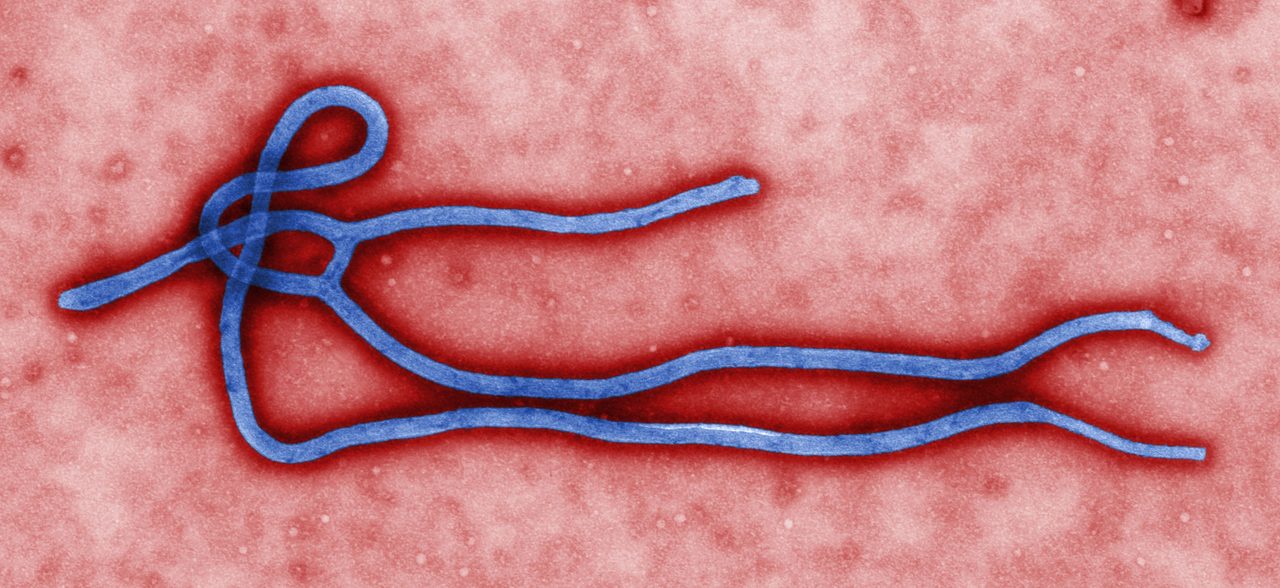
Photo: U.S.疾控中心 / public domain · via Wikimedia Commons
Kenya's Ebola Cases Reach Eight as Local Transmission Chain Emerges
Sunday screening finds one positive among 38 tested
Kenya confirmed its eighth Ebola case on Sunday, Oct. 18, Director-General for Health Patrick Amoth said in an interview with Kenya's Citizen TV. Reuters, Al Jazeera and UPI reported that 38 people were tested that day and one returned a positive result. The patient is a 49-year-old man who is not a healthcare worker. He developed fever, headache and muscle pain. Amoth described him as a patient attendant who cleaned utensils and linens and said he was probably exposed to Kenya's first Ebola case.
Index patient arrived Oct. 3 and died Oct. 5 in Nairobi
The index patient was a 40-year-old Kenyan man who travelled from the Democratic Republic of the Congo through Uganda and arrived in Kenya on Oct. 3, according to AP, Reuters and ChronicleAI. He died at The Nairobi Hospital on Oct. 5. All eight Kenyan cases stem from direct contact with him, including relatives, healthcare workers and the attendant. The cases are the first known infections transmitted inside Kenya.
Four cases added a day earlier included three health workers
A day earlier, on Oct. 17, Kenya's Ministry of Health reported four new Bundibugyo virus cases, raising the national total from three to seven. Al Jazeera, AP and Capital FM reported that three of the four were health workers who treated the first patient, and the fourth was a male relative of that patient who had been in quarantine since Oct. 6. The ministry said all four were already in quarantine when diagnosed, allowing early detection and limiting further exposure.
130 contacts listed, 128 quarantined for 21-day watch
The ministry said about 130 people who may have interacted with the first patient were identified, of whom 128 had been traced and placed in quarantine, with two still being traced, according to The Star and The Washington Times citing the ministry. Contacts face monitoring through the 21-day incubation period, with daily checks and transfer to isolation if symptoms develop. Health officials stress that Ebola spreads through direct contact with the blood or body fluids of a sick or deceased person, not through the air.
Regional epicentre remains Congo as outbreak reaches eighth province
Behind Kenya's cases lies the regional outbreak in the Democratic Republic of the Congo, ongoing since May. Xinhua, citing the Congolese health ministry report released Oct. 18, put cumulative confirmed cases at 9,415 with 4,536 deaths, a fatality rate of 48.2 percent, with eastern Ituri province accounting for nearly three quarters; the outbreak reached an eighth province, North Ubangi, the same day. The pathogen is Bundibugyo virus, with no approved vaccine or specific treatment. Neighbouring Uganda recorded 20 cases and two deaths earlier before declaring itself Ebola-free in August 2026, while Tanzania tightened border surveillance for arriving travellers.
Sources
- Al Jazeera: Kenya confirms eighth Ebola case amid widening regional outbreak
- Kenya confirms eighth Ebola case as regional outbreak spreads
- UPI: Kenya confirms eighth Ebola virus case amid outbreak in nearby DRC
- Ebola: Kenya cases rise to 8, spreads to 8th Congo province
- Kenya Ebola cases rise to 7, including health workers