The Brain After the Last Drink: A Recovery Timeline
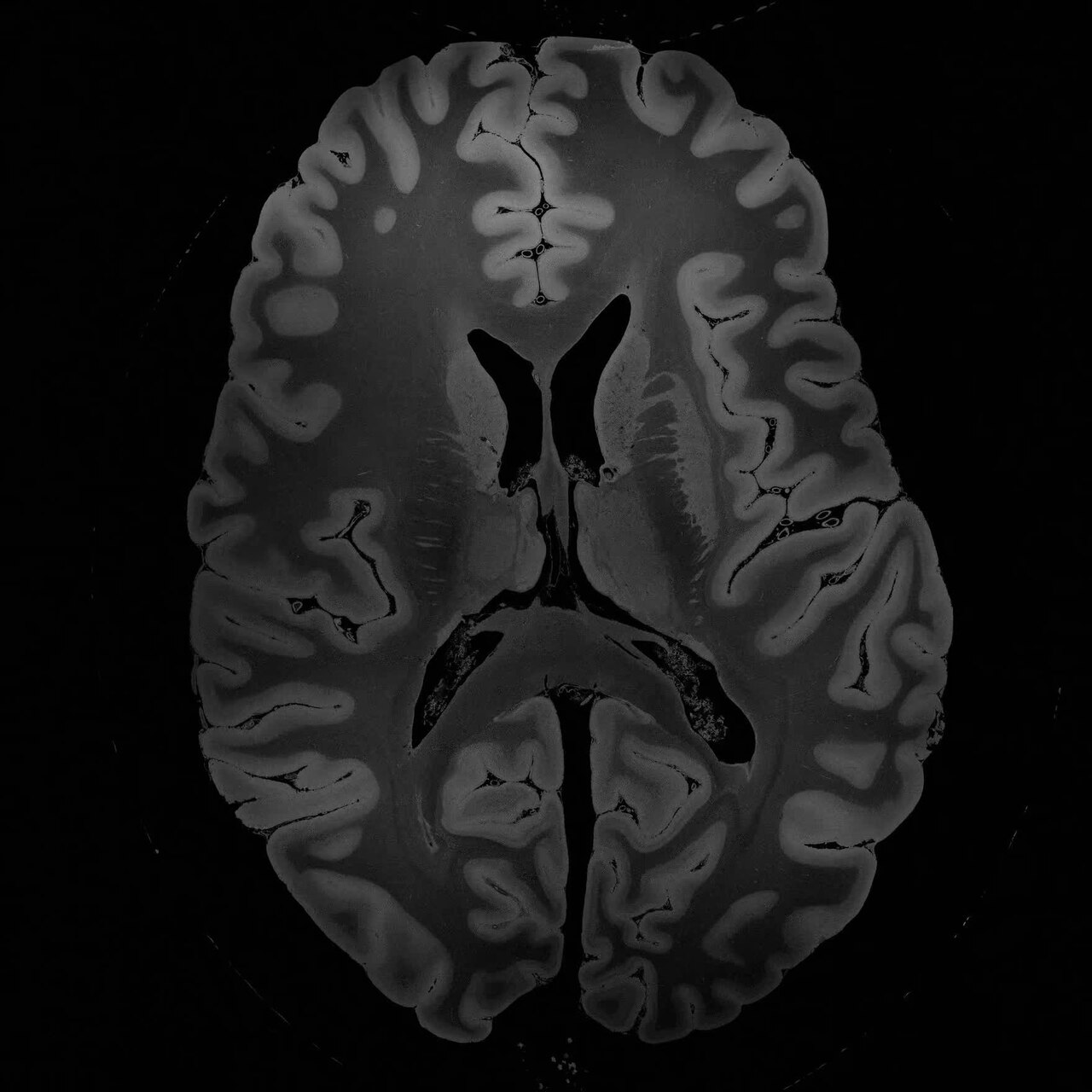
Photo: Edlow et al., Massachusetts General Hospital / CC0 · via Wikimedia Commons
The Brain After the Last Drink: A Recovery Timeline
The storm comes first
The first days after quitting are often the rockiest, and it is not psychological. Years of drinking force the brain to downregulate calming GABA receptors and upregulate excitatory glutamate receptors to offset alcohol's sedative effect. Take the alcohol away and the brakes are gone while the accelerator stays on: anxiety, irritability, restlessness and sleeplessness follow. Clinicians call this neurochemical rebound. In moderate drinkers it usually fades within days to two weeks. Heavy drinkers can face seizures or delirium tremens and need medically supervised detox — quitting cold turkey alone is not the brave option, it is the dangerous one.
Within two weeks, the cerebellum bounces back
Different brain regions heal on different schedules. MRI research shows the cerebellum — which handles coordination and balance — returns to near-normal volume about two weeks after detox. That is why the unsteady walk and clumsy movements of early abstinence tend to steady within a few weeks. Grey-matter shrinkage starts reversing in the same window: in a classic 1989 study, patients scanned within ten days of their last drink and again after three to four weeks of abstinence already had measurably smaller ventricles at the second scan, meaning some tissue loss was being recouped fast.
Month one is the fastest
If recovery has an acceleration phase, it is the first month. A year-long brain-volume tracking study published in 2005 found tissue gains were most rapid during the first month of sobriety, and the fastest rebound came in people with the worst baseline shrinkage and heaviest drinking. The researchers flagged the flip side: brain scans taken after just a few weeks of abstinence probably underestimate the full extent of chronic alcohol-related shrinkage, because the fastest wave of repair has already happened.
Three to six months for memory and executive function
Physical repair is fast; cognitive repair runs slower. Working memory and executive function typically need three to six months to recover meaningfully, and most brain functions — attention, perception, memory — show improvement within six to twelve months. Processing speed and working memory can come back earlier. In everyday terms: the brain fog lifts, focus returns and forgetfulness fades within the first weeks, but fully sharp thinking is measured in months.
The brain didn't lose cells, it lost volume
The common belief that alcohol "kills brain cells" is mostly wrong, and the real picture is more hopeful. Unless prolonged thiamine deficiency or liver failure has caused brain damage, a heavy drinker's neurons are largely intact — the shrinkage is tissue volume loss, not cell death, and brain size can return to normal with sustained abstinence. Grey-matter and ventricular changes show up early in abstinence; white matter and third-ventricle volumes improve later. The brain was not broken, it was deflated, and most of the deflation is reversible.
Mood takes months to settle
Mood is the most grinding part of recovery. The serotonin system that regulates it needs months to restabilise, which is why clinicians stress patience in early abstinence. The insula and cingulate cortex — regions involved in craving and emotional regulation — also recover over months, making relapse easier to resist. The corollary: big mood swings and recurring cravings in the first months are a normal phase of physiological repair, not a failure of willpower.
Not everything comes back
Some deficits linger. Divided attention and complex problem-solving can remain impaired in people with long histories of heavy drinking, and older age plus longer drinking history predict slower recovery. A seven-year follow-up study found non-verbal abstract reasoning and mental flexibility only returned with long-term abstinence. And there is a hard precondition: brain damage from severe thiamine deficiency or liver failure may exceed what abstinence can reverse. "The brain can heal" is not the same as "drinking as much as you want is fine."
One relapse erases the gains
Recovery is fragile. In longitudinal studies, patients who stayed abstinent for two to twelve months kept shrinking their ventricles and held stable white- and grey-matter volumes, while those who resumed drinking lost more white matter and expanded their third ventricle further. A six-to-nine-month study found that even drinking within fifteen days of a follow-up scan slowed brain-tissue volume gains. The message is blunt: relapse does not just restart the clock, it erases repair that already happened.
Heavy drinkers: see a doctor first
One safety line to close on. The timelines above describe people who can quit safely; for long-term heavy drinkers, withdrawal itself can be fatal, and seizures and delirium tremens need medical care. Doctors advise assessing drinking level and dependence before choosing a detox plan. Quitting is where brain recovery begins — but only if the first step is taken safely.
Sources
- HomeDoc
- Ocean Hills Recovery
- Sober Man's Estate
- PMC
- APA PsycNet