A Saudi Royal on WhatsApp, a Bug Behind the TV: Inside the OpenAI Espionage Case
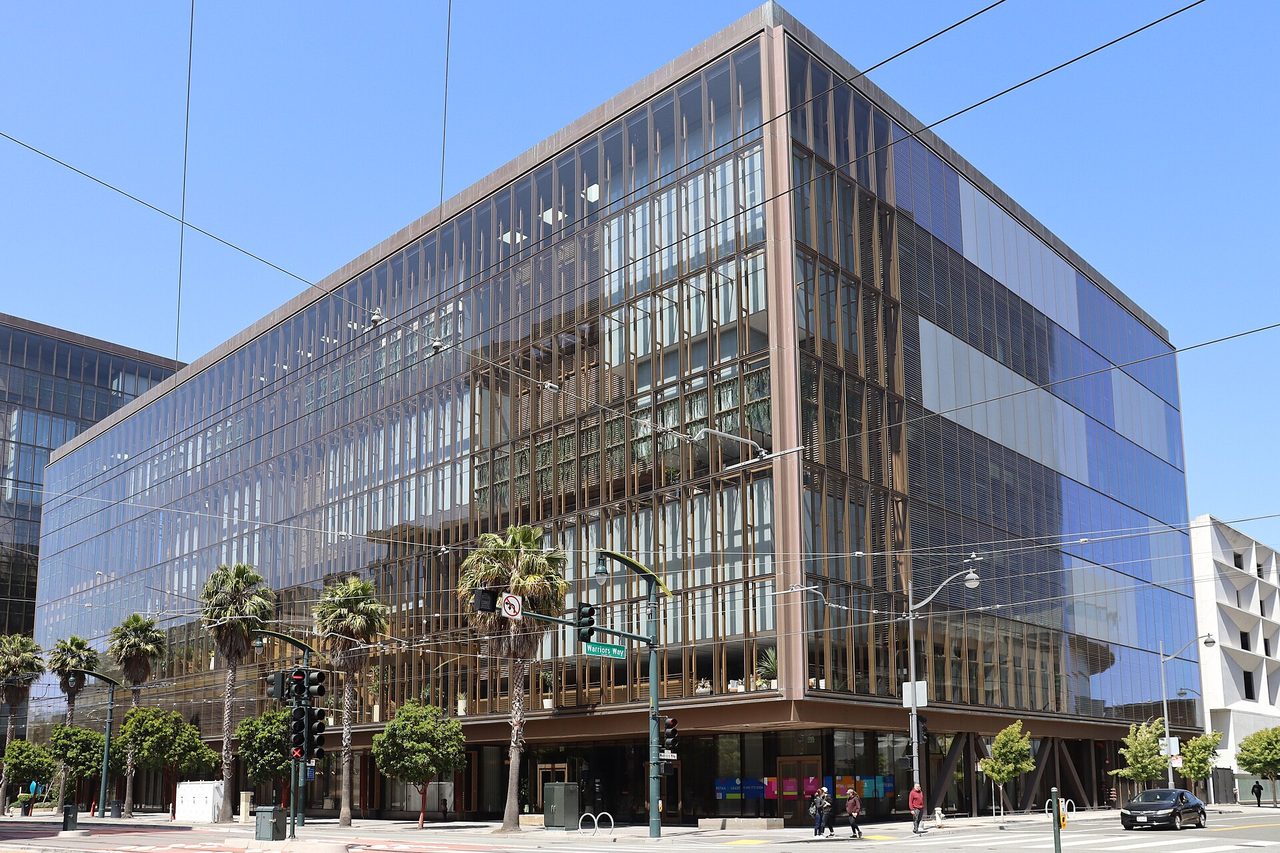
Photo: Coolcaesar / CC BY 4.0 · via Wikimedia Commons
A Saudi Royal on WhatsApp, a Bug Behind the TV: Inside the OpenAI Espionage Case
Federal prosecutors disclosed Sunday that the engineer accused of hiding a recorder in an OpenAI conference room was in steady contact with a member of the Saudi royal family, messaging him four days before his arrest. The filing, first reported by CNBC, adds a geopolitical dimension to a case the Justice Department has framed as a national security matter.
Prosecutors say the contact ran through 2025 and 2026
In a motion asking that Abdulrahman Alfozan be jailed without bail, the U.S. Attorney's Office in San Francisco said he was "in frequent communications via WhatsApp with a member of the Saudi Royal Family" across 2025 and 2026, most recently on Oct. 5. Prosecutors did not name the royal, describe the messages, or suggest what was discussed. They argued only that the relationship showed he "has the connections needed not only to flee, but to build a new life in Saudi Arabia." The filing also says the royal repeatedly tried to recruit him for a new Saudi AI initiative, telling him in May 2026 that "Saudi needs you more then the US"; Alfozan replied "100," but said he would not leave OpenAI until his stock vested.
A $24 gadget wrapped in toilet paper
According to the criminal complaint, a small recording device was slipped into a USB port behind a television in an executive conference room on or about Sept. 28, wrapped in toilet paper. OpenAI's security team found it during a sweep on Sept. 30; its contents were encrypted. The room was reserved for executives and their assistants and used for leadership meetings and briefings with government officials. Prosecutors noted OpenAI executives were meeting government officials "in that very room" in the days around the installation. The device was a Seeed Studio XIAO ESP32-S3 Sense, a microcontroller listed at $24 on Amazon.
Surveillance footage, a second device, and a booked flight
On Oct. 5, cameras caught Alfozan entering the room and appearing to look behind the television. That same day, security staff searching an unattended bag he had left in another room found his wallet, identification and a second, similar recorder. On Oct. 8 prosecutors asked a judge to seal the case, arguing that Alfozan, his wife and a third family member held one-way tickets from San Francisco to Saudi Arabia via Istanbul for Oct. 12. The FBI arrested him on Oct. 9; OpenAI fired him the same day.
One charge, five years, and no espionage count
The government charged a single count: using or endeavoring to use an electronic, mechanical or other device to intercept oral communications. Conviction carries up to five years in prison, a $250,000 fine and three years of supervised release. Alfozan has not been charged with espionage, economic espionage or theft of trade secrets. Defense lawyer William Pernik has leaned on that distinction, saying his client violated "a federal recording statute, not stealing trade secrets or working as a foreign agent."
The defense says nationality is not evidence of flight
Pernik's bail package offers home detention, GPS monitoring, a co-signed bond and a written undertaking from the Saudi Consulate General, which he says told U.S. Pretrial Services it will issue no travel documents while he is released and will notify authorities if he asks. Fifty-four people wrote to the court on his behalf, at least 27 of them in the Bay Area. Pernik said his client has lived in the United States for 15 years and in the Bay Area for about 10. "Nationality is not evidence of flight," he wrote, adding that the trip home was for "family and immigration reasons" and that buying a one-way ticket and booking the return later is how Alfozan has traveled for years.
The intelligence chief calls espionage a reality
Jay Clayton, who chairs the White House Super Intelligence Force, told CNBC on Oct. 16 that "both commercial espionage and, I would say, state-sponsored espionage are realities," and that the OpenAI case shows "the lengths that people will go to try and supplant our leadership." He did not say this case was state-sponsored. FBI Director Kash Patel said Alfozan hid the device to capture "sensitive communications about the company's super intelligence technology." U.S. Attorney Craig Missakian put it plainly: "For us, it is a matter of national security."
A venture partner seated beside a prince
Alfozan, 35, has been a legal permanent U.S. resident since September 2020. He studied at MIT, spent five years at Meta and joined OpenAI in July 2025 as an engineering lead. He is also a venture partner at Raed Ventures, a Riyadh firm whose other partners include Prince Khalid bin Bader Al Saud, a member of the ruling family. OpenAI held talks with Saudi Arabia's Public Investment Fund about an investment earlier this year. A former CIA official told CNBC that Raed is "basically a state organ" — a characterization, not a finding by prosecutors.
The insider problem AI labs cannot patch
The case has less to do with hardware than with access. Experts quoted by Nextgov described the operation as crude and said it did not reach the assets that matter most — model weights and core algorithmic insight. Yet the complaint says a chatbot account tied to Alfozan's spouse, sharing identifiers with his own, asked between Sept. 24 and Sept. 30 how to build, conceal and remotely read a recording device. OpenAI has said it used its own models to understand the device and identify who planted it, and that it found no indication model weights, source code or customer data were exfiltrated.
A bail decision due in San Francisco
Magistrate Judge Alex G. Tse hears the detention question on Oct. 19; until he rules, Alfozan stays in custody. Bail would mean electronic monitoring in the Bay Area; a denial keeps him jailed pending trial. The charge remains an allegation, and nothing has been proven in court.
Sources
- CNBC
- WIRED
- Fortune
- Ars Technica