Elice's Kosdaq Plunge Puts AI Infrastructure Trade on Trial
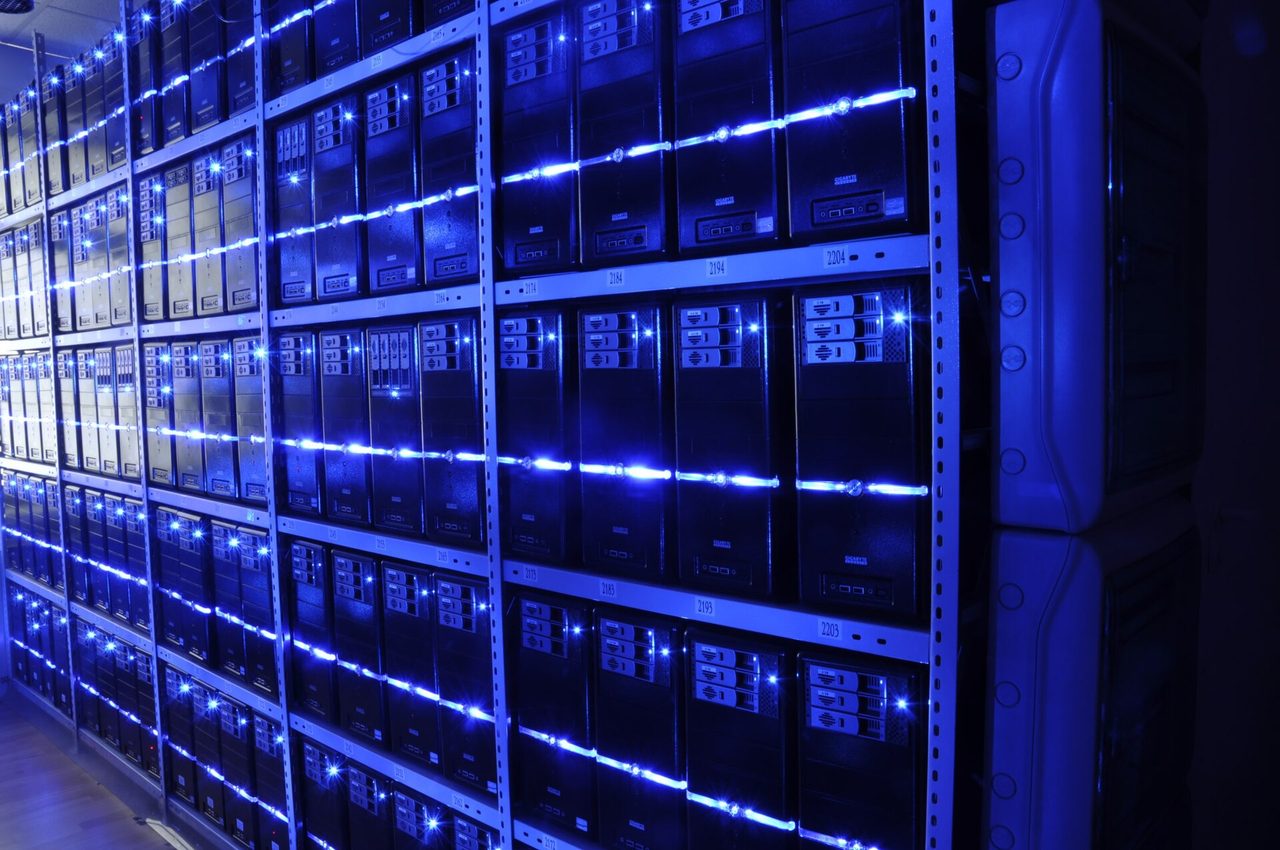
Photo: BalticServers.com / CC BY-SA 3.0 · via Wikimedia Commons
Elice's Kosdaq Plunge Puts AI Infrastructure Trade on Trial
A top-priced IPO meets a rough first trade
Shares of South Korean AI infrastructure firm Elice sank by roughly a third in their Kosdaq debut on Oct. 20. Bloomberg reported the stock fell as much as 32% to 61,400 won in early trading, against an offer price of 90,500 won. Other outlets put the intraday low at 61,000 won. The shares opened at 75,700 won, already about 16% below the offer, and spent the day down roughly 28% to 33% in a session widely described as an "ugly debut."
The year's biggest Kosdaq offering, priced at the top
Elice priced its IPO at 90,500 won a share, the top of the marketed range, raising about 201.1 billion won, or roughly $150 million. Bloomberg data cited across coverage called it the Kosdaq's biggest offering of 2026, with a post-listing market value above 1 trillion won. Mirae Asset Securities and Samsung Securities led the deal. Institutional demand ran to about 389 times the shares on offer, retail demand to about 408 times, with subscription deposits topping 10 trillion won, according to Korean coverage.
From coding school to neocloud builder
Founded in 2015 by three doctoral students at KAIST, Elice began as a coding-education platform before pivoting to AI cloud infrastructure spanning servers, liquid-cooled chips, cloud and networking gear, and software. Its modular AI data center product, AI PMDC, can be built in about three months versus 24 to 36 months for conventional sites, cutting total cost of ownership by about 40% per megawatt. Its ECI software manages training, fine-tuning, and inference, and the company says it won Korea's first relevant cloud-security certification for this setup, with about 130 megawatts of secured power capacity.
Proceeds aimed at portable, regional data centers
The company plans to spend most of the proceeds on portable modular data centers and related infrastructure, pushing compute out of the Seoul area into regions with spare power. Instead of one giant build, it plans to replicate modular units as demand grows, converting secured local power into AI computing capacity. It has already installed closed-network systems on client premises for public-sector work and names finance and defense as its next target markets.
Why the fall: the AI-spending question returns
The timing made the drop a market signal. Reuters and CNBC framed it as investors reassessing the cost and returns of the AI buildout, with heavy borrowing, huge capital needs, and no clear date for when computing spend turns into profit. One analyst called the debut "not a good sign," coming days after Australia's Firmus scrapped its listing plan. Petra Capital Management said sentiment toward AI infrastructure had weakened, especially in the United States, and was often detached from fundamentals.
What comes next: tenants must prove they can pay
Analysts said the trade has shifted from "build at any cost" to asking who pays and for how long. A Singapore-based research head said new regional listings would carry that risk premium until the AI labs renting the capacity show they can fund their compute bills. A Seoul analyst added that nobody can reliably estimate real AI demand. With Firmus gone and Elice repriced lower on day one, larger AI listings in the pipeline face a tougher audience.
Sources
- Bloomberg: Data-Center Firm Elice Plunges 32% in Debut After Korea IPO
- Reuters: South Korea's Elice plunges 30% in market debut as data centre stocks shunned
- CNBC: South Korea's Elice plunges 30% in market debut as investors reassess AI sector
- Data centre firm Elice's 33% drop in debut revives AI boom doubts
- South Korean data centre firm Elice shares plunge in IPO debut