U.S. Confirms First New World Screwworm Detection in Wildlife, an Elk in Texas
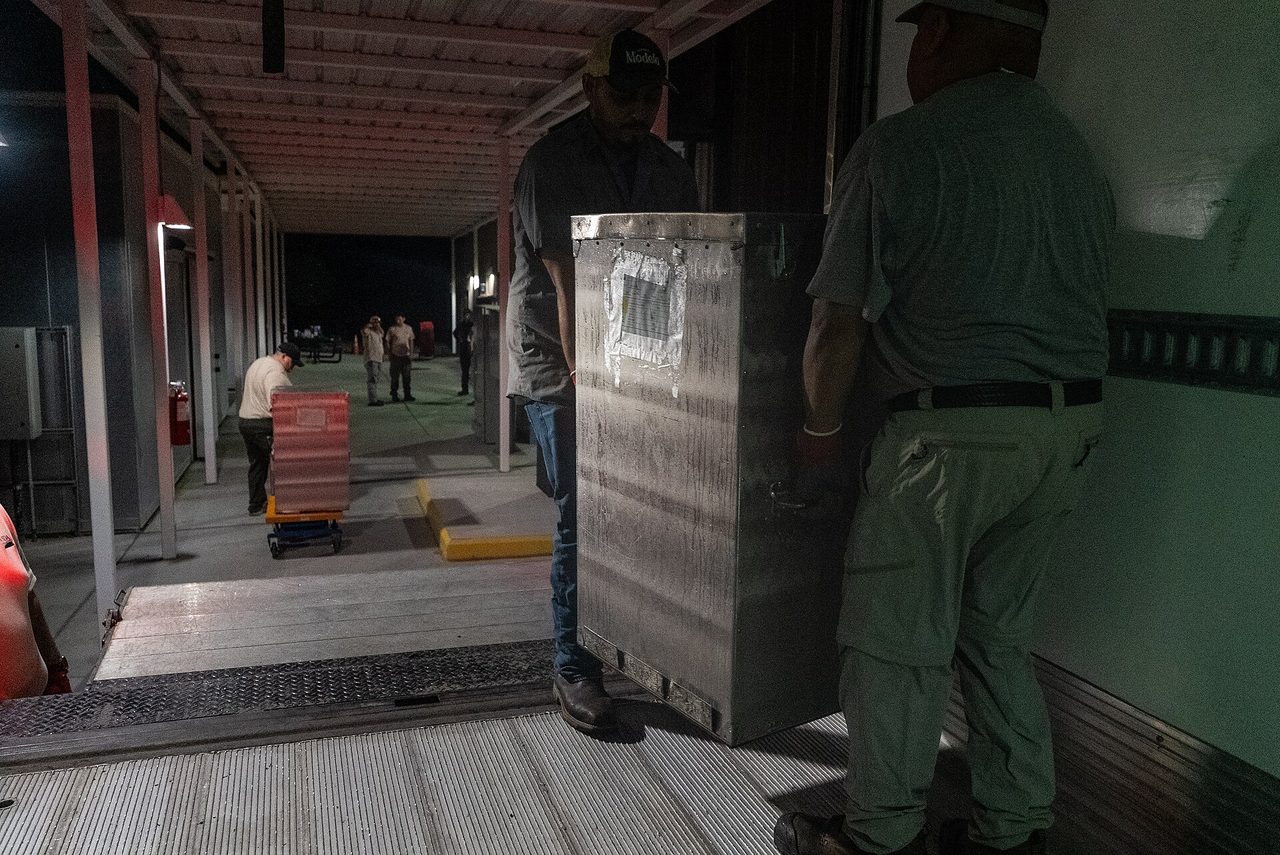
Photo: USDAgov / public domain · via Wikimedia Commons
U.S. Confirms First New World Screwworm Detection in Wildlife, an Elk in Texas
USDA Confirms First Wildlife Detection in Texas Elk
The U.S. Department of Agriculture said Wednesday it has confirmed the first detection of the flesh-eating New World screwworm parasite in U.S. wildlife: an elk in Pecos County, Texas. The elk was located on a game ranch and was reported after being harvested by a hunter, USDA's Animal and Plant Health Inspection Service said. USDA called it the first detection in U.S. wildlife and said it is conducting additional wildlife surveillance in the area with the Texas Parks and Wildlife Department.
Official Response: Expanded Surveillance, Modified Infested Zone
The Texas Animal Health Commission will modify a previously established infested zone, USDA said. New Mexico's Department of Agriculture separately confirmed a case in a beef cow the same day; state veterinarian Samantha Holeck said officials are investigating the cases, expanding surveillance and monitoring for additional infestations. USDA urged hunters and landowners to stay vigilant and report suspicious wounds or unusual animal behavior.
From Calf to Elk: Spread Continues in the U.S.
The screwworm was first detected in the U.S. on June 3, 2026, in a three-week-old calf in Zavala County, Texas, near the Mexican border. Dozens of cases have since been detected in the U.S. this year, including in a horse and a dog. As of August 19, 2026, there had been 46 confirmed U.S. cases since June 2026 (4 active and 42 inactive), with all but one dog in New Mexico reported from Texas along the Mexican border. The pest cannot survive cold winters, so the risk concentrates in the South, but officials fear each warm-season foothold brings the parasite closer to establishing a permanent presence.
Eradicated for Six Decades, Now Back
The U.S. spent about two decades and released more than 94 billion sterile male flies to wipe out the screwworm, declaring it eradicated in 1966. Since 2023 the parasite has pushed north from Panama through Mexico, crossing into Texas on June 3, 2026, in the first confirmed U.S. animal case in nearly 60 years. Panama declared a national zoo-sanitary emergency in July 2023; the outbreak then spread to Costa Rica, Nicaragua, Honduras and Guatemala. Washington imposed a more than year-long ban on Mexican cattle imports to keep the pest out, resuming trade in August at an Arizona port as part of a phased reopening. The halt tightened U.S. cattle supplies and helped push beef prices to record highs for American consumers.
Risk to Animals and People, and the Response
Screwworm larvae feed on living tissue; females lay eggs in wounds or body openings, and larvae burrow in, enlarging wounds and risking secondary infection. Untreated, severe infestations can badly injure or kill livestock and wildlife; human cases are rare but possible. The CDC and USDA lead the response using sterile insect releases, animal movement controls, surveillance and education, while authorities seek EPA approval of a genetically modified all-male strain being field-tested.
What Comes Next
USDA and state partners will expand surveillance, adjust infested zones and add wildlife monitoring in affected areas. Eradication relies on sustained sterile insect technique releases plus pesticides and quarantines. Experts warn forest degradation, rising cattle density and climate-driven range shifts are converging to widen risk, making cross-border coordination essential.
Sources
- The Guardian: Officials confirm flesh-eating New World screwworm parasite found in US wildlife
- CBS News: First case of New World screwworm in U.S. wildlife confirmed in Texas elk, USDA says
- NewsNation: Parasite discovered in wildlife on a Texas ranch, USDA says
- U.S. News (Reuters): New World Screwworm Cases Confirmed in Cow in New Mexico, Wildlife in Texas, Officials Say
- agriculture.com: U.S. Agriculture Dept Confirms First Detection of New World Screwworm in U.S. Wildlife