A Month Off Alcohol: What Changes, Week by Week
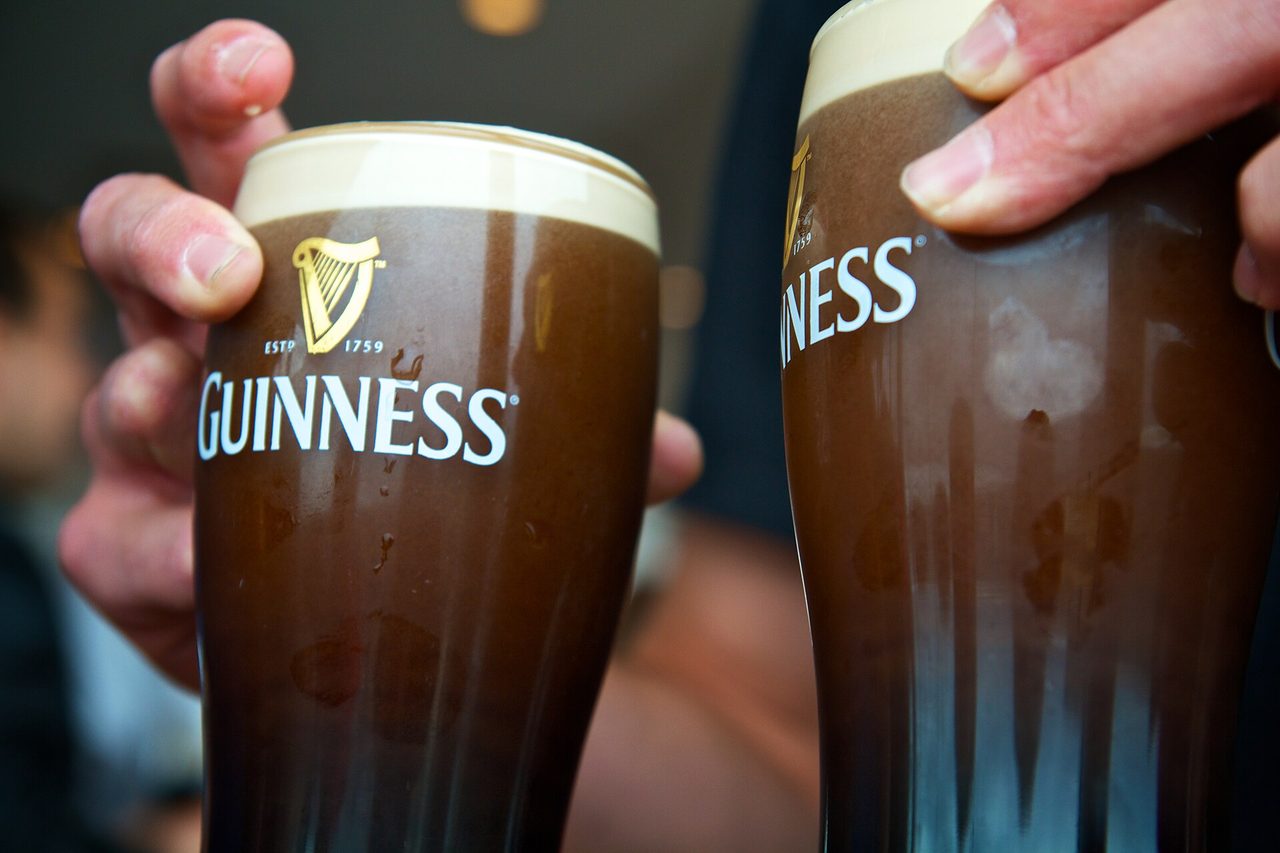
Photo: Zach Dischner / CC BY 2.0 · via Wikimedia Commons
A Month Off Alcohol: What Changes, Week by Week
Sober October puts a one-month reset to the test
Skipping alcohol for all of October, like Dry January, has become a yearly ritual for many drinkers. The question doctors keep hearing is practical rather than moral: what actually happens to sleep, the liver, weight, blood pressure and mood after 30 alcohol-free days. The short answer from recent studies is that the changes are measurable, arrive in stages, and fade if old habits return.
Sleep first gets lighter, then gets deeper
Many people fall asleep faster in the first few nights because alcohol is a sedative, but sedation is not sleep. Alcohol fragments the second half of the night, breaking up the normal cycle of sleep stages. Sleep doctors note that short-term insomnia in the first one to two weeks is common and usually settles, while sleep patterns after sustained heavy drinking can take 30 days or more to recover.
Heavy drinkers should not quit cold turkey alone
Physicians draw a firm safety line. People who drink heavily every day or feel unwell when alcohol wears off should talk to a clinician before stopping suddenly, because withdrawal can cause seizures and other emergencies. Warning signs include anxiety after waking, sweating, tremor, nausea, a racing heart, confusion, hallucinations and seizures. Anyone with these symptoms should seek urgent care rather than pushing through.
Liver enzymes fall fast, scarring heals far slower
The liver responds quickly. In a widely cited 2018 study in BMJ Open, 94 healthy moderate-to-heavy drinkers who abstained for a month saw gamma-glutamyl transferase, the liver enzyme most closely tied to alcohol exposure, fall by about 29 percent. Doctors say mildly raised liver enzymes can improve or normalize within weeks, but fibrosis built over years of heavy drinking may need months or longer to improve, and some damage may never fully reverse.
Blood pressure, blood sugar and insulin sensitivity improve
The same BMJ Open trial compared the 94 abstainers with 47 people who kept drinking from a baseline of about 18 standard drinks a week. After 30 days the abstinent group had roughly 26 percent lower insulin resistance, 6.6 percent lower systolic blood pressure and about 1.5 percent lower body weight, with no meaningful change in the group that kept drinking. Researchers also reported steadier blood sugar and better vascular markers.
Weight drops as liquid calories and extra bites vanish
Alcohol carries about 7 calories per gram, almost as much as fat, before mixers are counted. A standard 175 ml glass of 12 percent wine holds up to about 158 kcal and a pint of 5 percent beer up to about 222 kcal. A 2019 meta-analysis of 12 controlled trials found people ate about 82 extra calories of food when drinking before or with a meal, or about 256 extra calories including the drinks, without compensating later. In the one-month abstinence trial the median loss was about three pounds without major diet or exercise changes.
Mood, focus and energy rebound, and drinking stays lower
A review by Brown University and the University at Buffalo covering 16 studies of Dry January participants found abstainers reported feeling happier, with better energy and concentration and higher psychological wellbeing scores than people who kept drinking. Participants tended to be female, younger, higher-income and college-educated, and were heavier drinkers beforehand. Follow-up studies found they were also more likely to drink less and show fewer signs of alcohol use disorder over the next six months.
Doctors say the payoff only lasts if habits change
Clinicians stress that a month off does not bank forgiveness for the rest of the year. Resuming previous drinking can quickly bring back troubled sleep and anxiety and erase blood pressure and weight gains. For a lasting benchmark, Britain's guidance caps intake at 14 units a week, roughly six pints of beer or six medium glasses of wine, a limit about one in five adults aged 16 and over in England exceeds. Tracking sleep, morning blood pressure and weight through the month, and choosing low-calorie alcohol-free drinks, can turn October into a durable lower-drinking routine.
Sources
- Yahoo Lifestyle
- Food and Wine
- Women's Health
- Arise Recovery Centers
- MitoHealth