Blood Test May Flag Bowel Disease a Decade Before Diagnosis
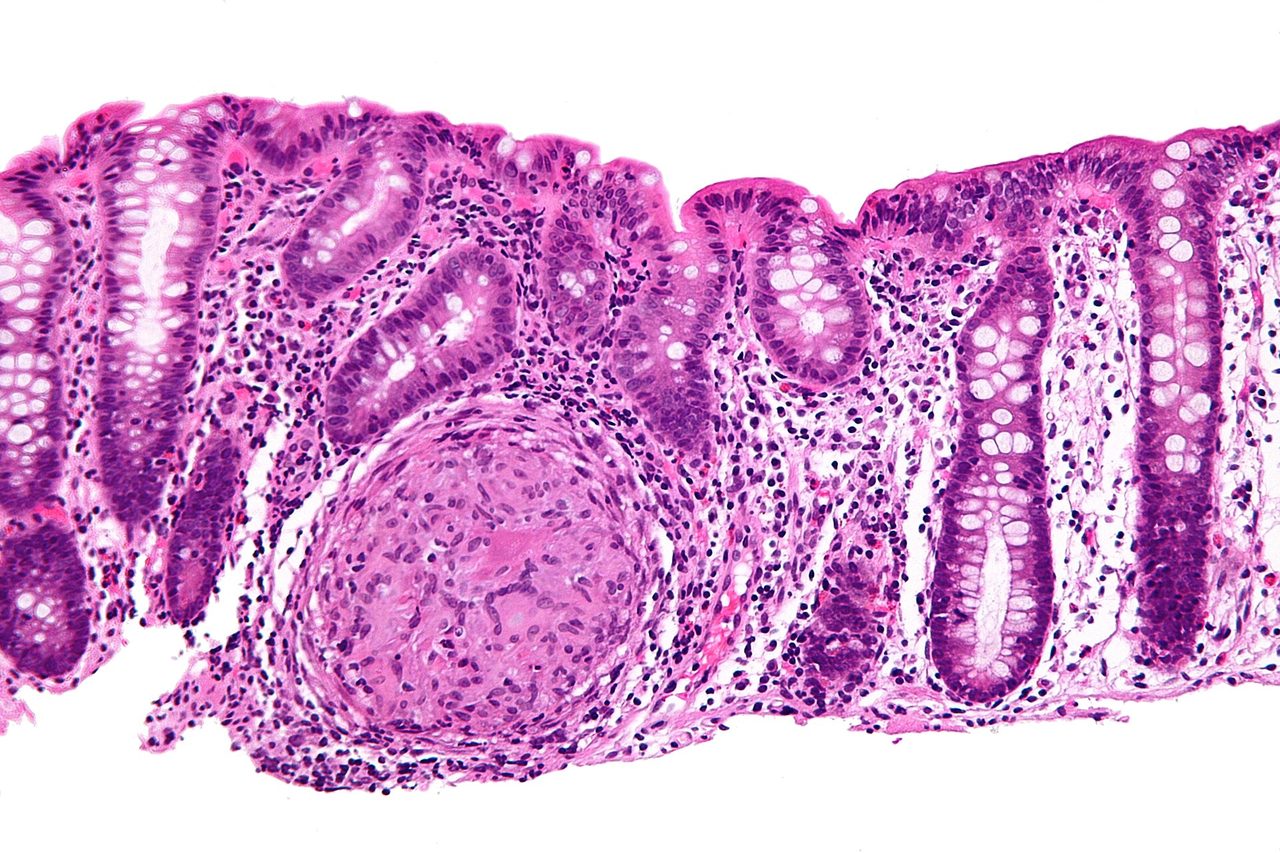
Photo: Nephron / CC BY-SA 3.0 · via Wikimedia Commons
Blood Signals Foretell Crohn's and Colitis a Decade Early
A decade-long warning hidden in stored blood
Patterns of antibodies in blood can flag inflammatory bowel disease up to ten years before diagnosis, according to large-scale research presented on 19 October at UEG Week 2026 in Barcelona. The work covers Crohn's disease and ulcerative colitis, the two main forms of inflammatory bowel disease in which abnormal immune responses drive chronic gut inflammation and damage. The team tested 2,000 serum samples from 500 United States military personnel, comprising 200 people who later developed Crohn's disease, 200 who later developed ulcerative colitis, and 100 age- and sex-matched healthy controls. The samples were screened for antibody reactivity against hundreds of thousands of protein fragments from bacteria, viruses, food and the body's own tissues, revealing immune warning signs years before symptoms.
Researchers urge caution: progress, not a test yet
The study was led by Arno Bourgonje of University Medical Center Groningen with colleagues at the Icahn School of Medicine at Mount Sinai in New York and the Medical University of Vienna, and reported in the journal Gut alongside the Barcelona presentation. Bourgonje said medicine has historically treated inflammatory bowel disease only after substantial damage has occurred, often too late for many patients, while the new work shows the disease process starts years before symptoms and the immune system gives early signals long before formal diagnosis. He stressed that the findings show association rather than proof that infections directly cause disease, and that the method is not yet a diagnostic test that can tell someone they will become ill. That careful framing was echoed across coverage as a guard against overinterpretation.
Crohn's and colitis leave different immune fingerprints
The presymptomatic signatures differ clearly between the two diseases. People who later developed Crohn's disease showed elevated antibody responses against herpesviruses such as Epstein-Barr virus, the cause of glandular fever, as well as flagellin, with differences already visible a decade before diagnosis. The signal was strongest in those who later developed complicated or ileal disease that can narrow the bowel or create abnormal channels, while antibody responses against encapsulated bacteria declined as diagnosis approached. Ulcerative colitis showed a distinct profile centered on reactivity against one of the body's own proteins. When the early signatures were combined in machine-learning models, they separated future Crohn's cases from healthy controls up to ten years before diagnosis with an area under the curve of 0.90, and future ulcerative colitis cases with 0.84, where 1.0 means perfect discrimination. The same approach distinguished complicated from noncomplicated Crohn's about ten years out with an area under the curve of 0.85.
Future patients and severe cases stand to gain first
If validated, the first beneficiaries would be people on a trajectory toward Crohn's disease or ulcerative colitis, especially those heading toward severe, complicated disease with strictures or penetrating complications. A years-long lead time could shift surveillance much earlier and reduce the common situation in which the gut is already damaged by the time treatment begins. At the same time, the samples came from a military repository with a particular age and fitness profile, so generalizing to the wider population, other ancestries and children will require larger prospective validation. Coverage also notes the retrospective design: the models predict from stored samples, which is different from offering a checkup test today, and no one should read a single antibody result as a personal diagnosis.
Toward prevention, following the diabetes playbook
The stated ambition is prevention modeled on type 1 diabetes, where blood tests can reveal an immune attack on the pancreas before symptoms and enable treatment that delays onset. For bowel disease, the nearer-term path is closer follow-up of high-risk people and testing whether lifestyle, microbiome or immune-directed steps in the presymptomatic window can alter the course. The researchers emphasize that diagnosis is associated with a distinct antibody profile years before clinical symptoms appear, rather than merely reflecting changes after diagnosis. If confirmed, that reframes inflammatory bowel disease as a long-building immune process with a window for earlier detection and, eventually, intervention before irreversible harm.
Sources
- The Guardian
- MedicalXpress
- Scienmag
- NewsbytesApp
- Mirage News