Wangchuk Accuses Centre of Betraying Ladakh, Reiterates Demand for Legislature
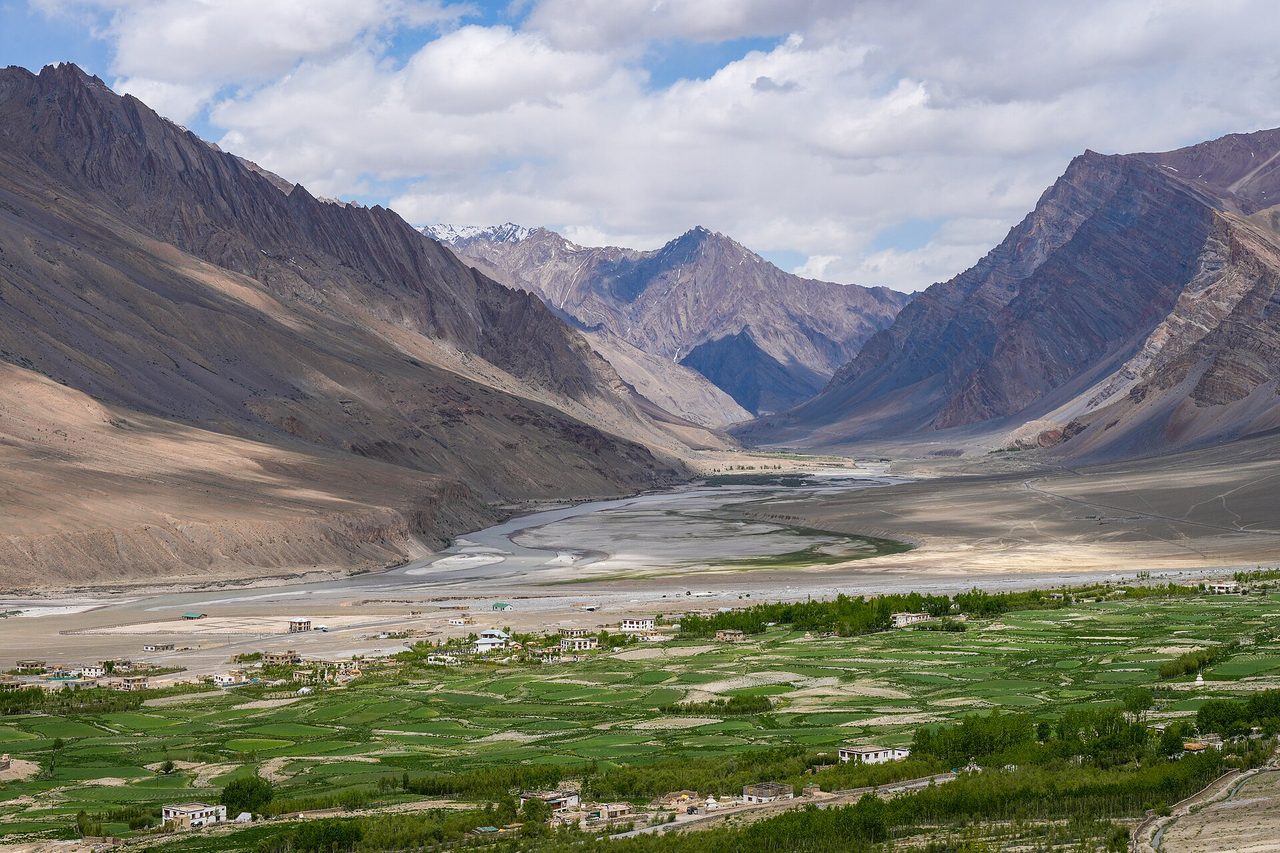
Photo: This Photo was taken by Timothy A. Gonsalves. Feel free to use my photos, but please mention me as the author. I would much appreciate if you send me an email [email protected] or write on my talk page, for my information. Please contact me before commercial use.Please do not upload an edited image here without consulting me. I would like to make corrections only at my own source to ensure that the changes improve the image and are preserved.Otherwise you may upload an edited image with a new name. Please use one of the templates derivative or extract. / CC BY-SA 4.0 · via Wikimedia Commons
Wangchuk Accuses Centre of Betraying Ladakh, Reiterates Demand for Legislature
Climate activist and educator Sonam Wangchuk held a press conference in New Delhi on October 22, 2026, accusing the central government of backtracking on an understanding reached with Ladakh's protesting groups in May. He said the cancellation of a proposed meeting that day had once again dashed hopes for a democratic framework in the region, and he reiterated that Ladakh must be granted a Union Territory with a legislature, not merely district councils.
Talks Collapse as Meeting Is Cancelled
Wangchuk said representatives of the Leh Apex Body (LAB) and the Kargil Democratic Alliance (KDA) had prepared for the October 22 meeting following the October 15 session in Leh, where the two sides exchanged draft proposals. The groups submitted their own draft to the Ministry of Home Affairs and received the ministry's proposal in return. The central government then cancelled the October 22 meeting, which Wangchuk described as another betrayal of trust.
May Understanding Allegedly Diluted
The May 22 meeting brought together LAB and KDA representatives with an MHA sub-committee, and focused on constitutional protection for Ladakh, democratic representation, and the long-pending demand for statehood. According to Wangchuk, the Centre had proposed safeguards on the lines of Articles 371A, 371F and 371G, which protect Nagaland, Sikkim and Mizoram, and had agreed in principle to a governance structure for the entire region rather than limiting powers to district councils. Wangchuk said the Centre had never denied statehood outright, promising it would come eventually.
Thirty-Two-Page Draft Rejected
At the October 15 meeting in Leh, the MHA presented a 32-page draft outlining the proposed governance framework. LAB and KDA rejected it in principle, calling it a significant departure from earlier assurances. Ladakh Chief Secretary Ashish Kundra explained that the Centre proposed a two-stage process: a new Article 371-K specific to Ladakh, followed by regulations under Article 240 covering land, culture and natural resources. Kundra acknowledged the talks stalled over the name, saying Ladakh would be neither a state nor a Union Territory with a legislature, but a sui generis model tailored to local aspirations.
Core Demands
Wangchuk was unequivocal: Ladakh needs a Union Territory with a legislature, and if the Centre supports it, the region could become a full state. He argued that decisions are currently taken unilaterally by the administration, that district councils have seen their powers curtailed, and that the Lieutenant-Governor acts like a British Viceroy. Ladakh is a tribal area, he said, and its people deserve the same democratic rights as citizens elsewhere in India.
Geopolitical Warning
Wangchuk tied Ladakh's grievances to the China border, warning the government not to weaken the frontier through stubbornness. He condemned China's claims over Ladakh but said India was alienating Ladakhis at a time when the region should be strengthened democratically. He also said Ladakh was prepared to take the issue to the United Nations if the Centre did not respond.
Delhi Talks Cancelled; Agitation to Continue
With the October 22 meeting cancelled, LAB and KDA vowed to continue their agitation until Ladakh gets an elected legislative body with real powers and constitutional safeguards. Wangchuk urged the Centre to honour the May understanding, provide democratic governance, and end the practice of keeping Ladakh as a Union Territory without a legislature.
Sources
- The Times of India: Sonam Wangchuk accuses Centre of betraying Ladakh groups, alleges backtracking on May understanding
- The Economic Times: Sonam Wangchuk accuses Centre of going back on May understanding, reiterates demand for Ladakh legislature
- The Tribune: Meeting cancelled, Wangchuk says Centre ‘betraying’ Ladakh
- The Hindu: Sonam Wangchuk accuses Centre of going back on assurances to Ladakh, demands U.T. with Legislature
- The Wire: 'Govt is Alienating Ladakhis': Sonam Wangchuk Accuses Home Ministry of Going Back on Promises of Statehood