US and Israel Draft Post-Election Plans for Renewed Iran Strikes
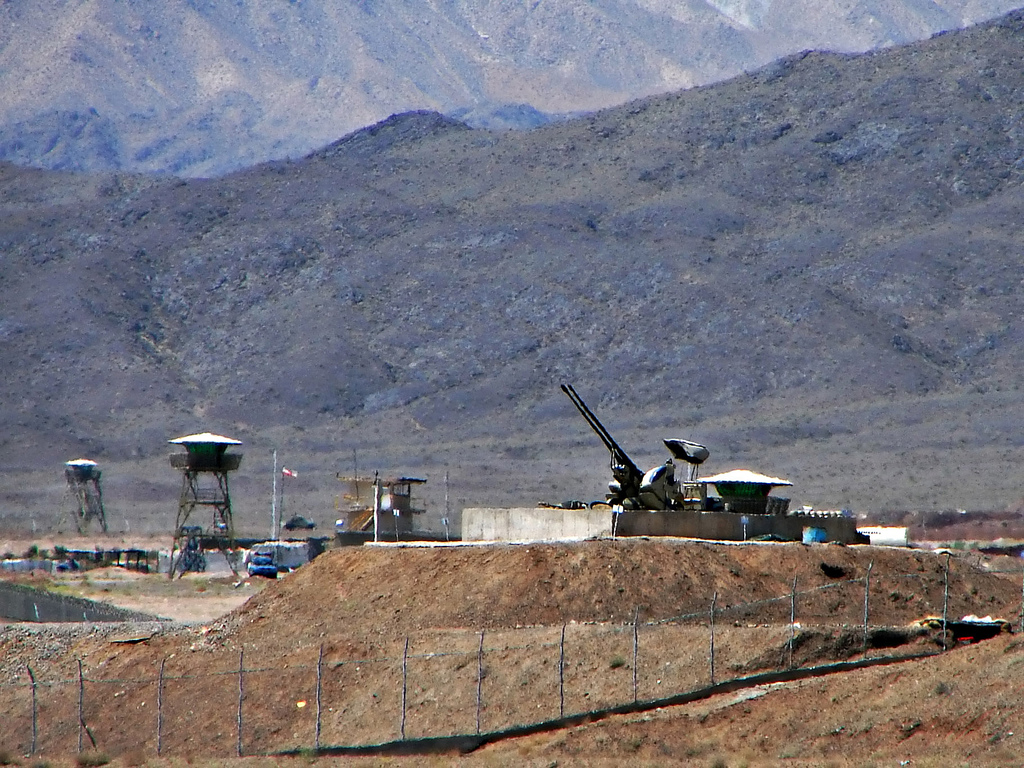
Photo: Hamed Saber / CC BY 2.0 · via Wikimedia Commons
US and Israel Have Drafted Post-Election Plans for Renewed Iran Strikes
New York Times breaks the story
The New York Times reported on October 21 that the United States and Israeli militaries have drawn up specific plans for renewed strikes on Iran after the US midterm elections on November 3, citing US officials and people briefed on the deliberations. Outlets including The Irish Times, The Straits Times, Haaretz and The Times of Israel picked up the story.
What the plan would target
Possible targets include Iran's energy infrastructure, its nuclear facilities, and missile and drone storage sites, according to Haaretz's account of the reporting. Some officials said the targeting will avoid refineries and oil infrastructure, because President Donald Trump is eager to prevent even higher gasoline prices.
A three-day campaign
Some US planners are convinced a three-day campaign could do enough economic damage to change Iran's position, Haaretz reported. The operation is described as short but intensive, aimed at forcing diplomatic concessions from Tehran rather than at winning a long war.
Trump's pre-election pledge
Trump has said publicly that no attack will come before the vote. "We will not be attacking Iran at any time prior to the Midterm Elections to be held in the United States on November 3rd," he wrote on Truth Social, adding that talks with Tehran were "productive" and that the blockade of Iranian ports "will remain in full force and effect." CNBC reported that he had told reporters the day before that renewed strikes before the election were under consideration.
Netanyahu is holding off too
CBS News reported that Benjamin Netanyahu said last week he is not planning to launch renewed strikes against Iran before Israel's October 27 election, calling it "not convenient for us." The visit came a day after Trump publicly endorsed Netanyahu's bid to remain in office.
A secret meeting in Israel
CBS News and military.com both reported that Defense Secretary Pete Hegseth met Netanyahu during an unannounced visit to Israel on Monday, and that the two discussed the possibility of renewed attacks. Neither government officially acknowledged the trip. Israel National News said Hegseth confirmed only that he met US service members, declining to describe what was discussed.
Drills and a growing arsenal
The Times of Israel reported that the US is assembling a massive arsenal that will be fully in place by early November, while US and Israeli forces have stepped up training, including flights over Iraq rehearsing strike maneuvers. Newsmax described the intensified exercises as covering attack runs over Iraq.
A deep underground target
One of the most likely targets is Pickaxe Mountain, which Iranians call Kooh Kolang. The Defense News reported the site sits roughly 1.5 to 2 kilometres south of the Natanz nuclear complex in central Iran's Zagros mountain region, that the mountain rises about 1,608 metres above sea level, that underground construction began in 2020, and that analysts estimate its main halls sit at least 100 metres beneath solid granite.
The largest non-nuclear bomb enters the menu
CNN reported exclusively that new US strike plans include the possible use of the GBU-43/B Massive Ordnance Air Blast Bomb, the largest non-nuclear weapon in the US arsenal. The Jerusalem Post, citing the reporting, noted Trump said last week the US "may have to go there" and would "knock it out fast."
Tehran threatens the undersea cables
PressTV reported that Brig. Gen. Yadollah Javani, political deputy to the IRGC chief commander, told Al-Alam television on Wednesday that Iran would use its full capabilities, including undersea internet cables in the Strait of Hormuz, if Iranian infrastructure were attacked. IRGC spokesman Hossein Mohebbi said seven large cables pass beneath the strait and called them "legitimate new targets," warning of a possible "third phase" of the war.
War plans as negotiating leverage
The Straits Times reported that US negotiators are using the prospect of a return to war as leverage in talks on Iran's nuclear programme and control of the Strait of Hormuz. Moneycontrol reported that the June memorandum of understanding, brokered by Pakistan and Qatar, has stalled, partly over navigation in the strait.
No presidential sign-off yet
HNGN reported that Trump has not signed off on the plans. On Tuesday he said American forces had "decimated" Iran's capabilities while leaving open whether he would pursue a negotiated settlement or authorize new strikes. Some officials still see a small possibility the campaign could begin this month, but political reasons point to after the election.
Markets already under pressure
CNBC TV18 reported Brent crude around $105 a barrel in mid-October, up more than 70 percent this year as the war roiled energy markets. Bloomberg reported Brent topped $110 a barrel on October 16, its first time above that level since May. The Guardian reported Brent close to $108 a barrel on the morning of Monday, October 19.
Sources
- The Irish Times: US and Israel draw up plans for renewed strikes on Iran after elections
- The Straits Times: US and Israel draw up plans for renewed strikes on Iran after American elections: Sources
- TIME: U.S. Reportedly Considering Major Strikes on Iran After Midterms
- CNBC: U.S. pulls diplomats from Saudi Arabia as it reportedly readies Iran strikes after midterms
- The Times of Israel: US, Israel said to draft plans for resumed strikes on Iran after midterm elections