Ohio's Special Election Could Tip the Senate, and Rural Counties Hold the Lever
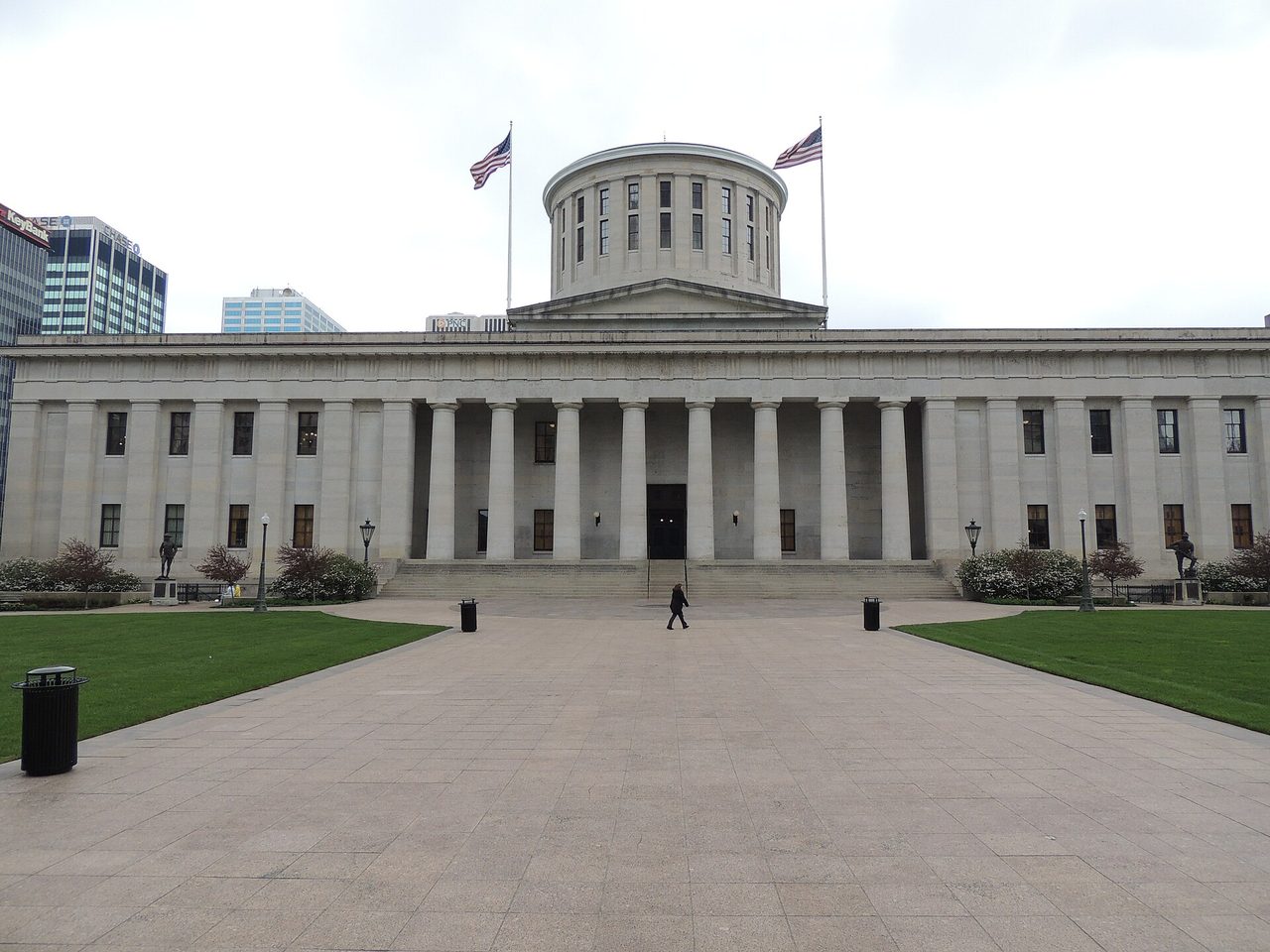
Photo: Riis2602 / CC BY-SA 4.0 · via Wikimedia Commons
Ohio's Special Election Could Tip the Senate, and Rural Counties Hold the Lever
A Special Election With National Stakes
On November 3, Ohio voters will fill a U.S. Senate seat in a special election, choosing who completes the term won in 2022 by JD Vance. Republican incumbent Jon Husted faces former Democratic Senator Sherrod Brown, with the winner serving through January 2029. With control of the Senate still up for grabs, outlets from PBS to CNN rank Ohio among the most competitive and most heavily advertised battlegrounds in the country.
How the Seat Came Open
Vance resigned in January 2025 to become vice president. Governor Mike DeWine appointed Husted, then lieutenant governor, to the vacancy on January 17, 2025. Husted ran unopposed in the Republican primary. Brown, who represented Ohio in the Senate from 2007 through 2024 before losing reelection, won this year's Democratic primary and is attempting a comeback. A Libertarian and an independent are also on the November 3 ballot. Polls are open from 6:30 a.m. to 7:30 p.m. on Election Day.
The Polls Disagree, and That Is the Story
A Fox News survey of likely voters in late October put Brown ahead 52% to 47%. A mid-October Bowling Green State University poll put Brown ahead by 6 points, 48% to 42%. A CNN Poll of Polls average had Brown ahead 49% to 44%. Yet an ActiVote poll published October 18 found Husted at 50.2% and Brown at 49.8%, a 0.4-point edge among 400 likely voters, well inside the 4.9-point margin of error after fieldwork from September 26 to October 18 with a median date of October 7. In short, the race is somewhere between a clear Democratic lead and a dead heat.
Gender Gap and Pocketbook Anger
The Fox News poll detailed a sharp demographic split. Women favored Brown by 14 points while men backed Husted by 4, an 18-point gender gap. Brown led among voters under 35, college graduates, union voters, and urban and suburban residents. Husted drew strength from rural communities, non-college White men, and married voters, with a narrow edge among voters 65 and older. Favorability told a similar story: Brown stood at 50% favorable to 48% unfavorable, while Husted stood at 42% favorable to 55% unfavorable. Voter discontent over household finances hangs over the Republican incumbent.
Rural Ohio Is the Decisive Margin
NPR's reporting from rural Ohio found the contest turning on health-care subsidies, operating costs, and trust. Republicans, Husted included, voted to eliminate subsidies under the Trump-backed domestic policy bill, and some rural voters interviewed said the resulting pressure on their budgets and businesses made them reluctant to vote Republican this year. Others said they lean toward Husted because they dislike the direction of the Democratic Party. Husted counters with an economy-first message, saying Ohio has more jobs and lower unemployment than at any point in state history. Brown leans on labor ties, including an appearance before about 150 carpenters union members near Toledo, betting union households and small towns can break his way.
Ad Blitz and Turnout Will Decide the Final Two Weeks
CNN expects about $75 million in combined ad spending over the final two weeks in Ohio, more than in any other midterms contest. ActiVote's crosstabs suggest the middle of the electorate decides it: Husted led 56% to 44% among centrist voters in its sample. Early voting is underway. Rural turnout, suburban women, and voters who say the economy decides everything will determine not just Ohio's senator but possibly which party runs the Senate.
Sources
- NPR: Ohio’s rural voters key in state’s competitive Senate race : NPR
- Fox News: Sherrod Brown leads Jon Husted 52-47 in Fox News Ohio Senate poll
- CNN: The top 10 Senate seats most likely to flip, less than two weeks before the midterms
- PBS: Ohio becomes midterm battleground after years of Republican wins
- The Hill: Brown, Acton both up 6 points in Ohio races: Poll