U.S. Spy Chief Warns Iranian Assassination Plots Are Nearing Execution
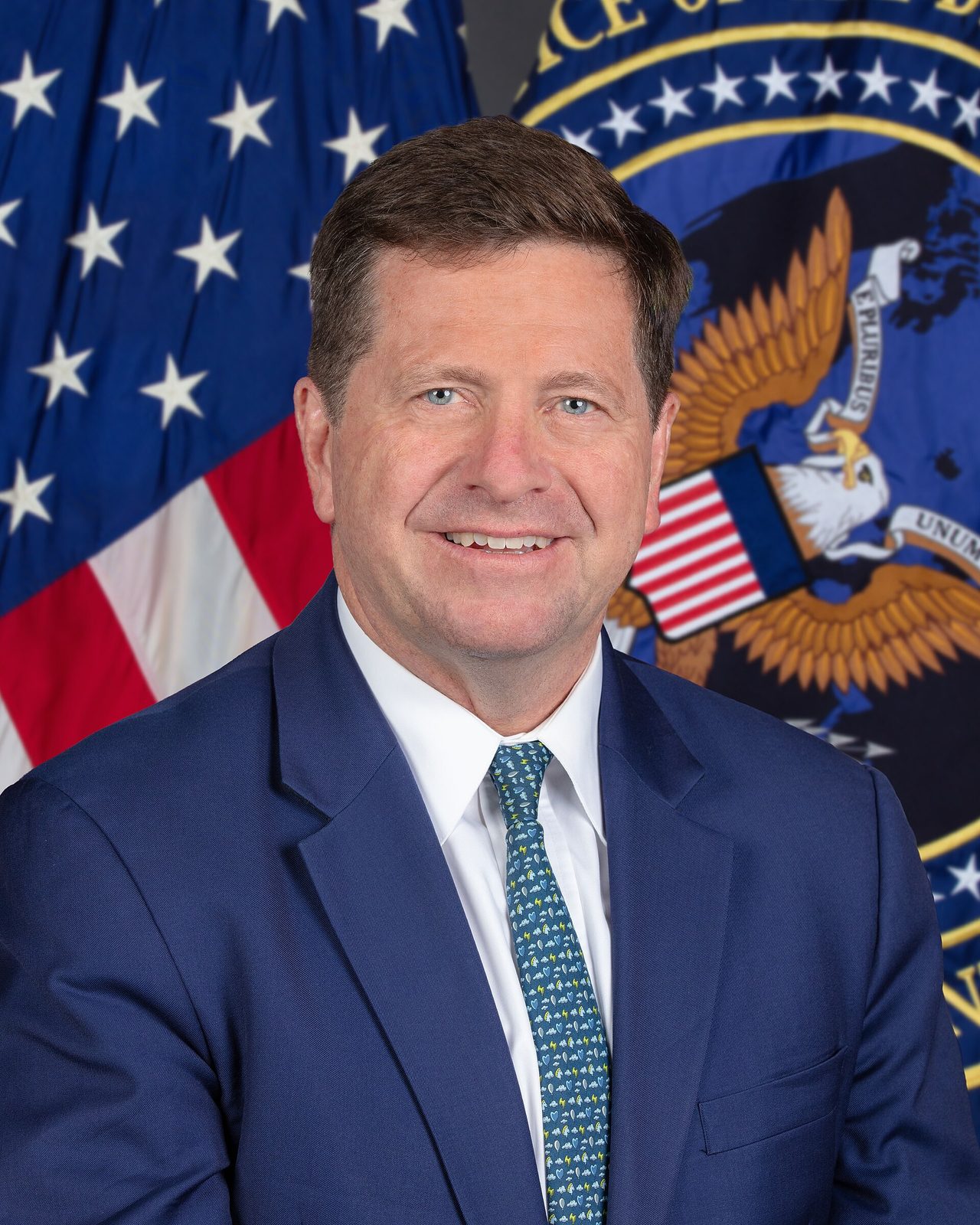
Photo: Office of the Director of National Intelligence / Public domain · via Wikimedia Commons
U.S. Spy Chief Warns Iranian Assassination Plots Are Nearing Execution
A One-Page Memo Sounds the Alarm on Tehran
In a one-page unclassified memo dated October 23, Director of National Intelligence Jay Clayton told Secretary of State Marco Rubio that Iran had "substantially increased efforts to target U.S. personnel" and that "the lethal plotting efforts by the Iranians against U.S. citizens have reached advanced stages in both the Middle East and certain other countries." First reported by Axios and confirmed by U.S. officials, with the text obtained by the Associated Press and CBS News, the memo's bluntness was striking: an on-the-record warning that assassination plots are not aspirational but advanced.
A Push to Spread the Word Beyond Cleared Circles
Clayton wrote that some intelligence and analysis on Tehran's plans was "relevant to more individuals than are currently cleared to receive this information" and pledged to downgrade as much of it as possible so Rubio could share it with State Department personnel at his discretion. The memo was copied to CIA Director John Ratcliffe, and its underlying intelligence had already been briefed to senior State officials. Notably, it named no specific targets, no countries outside the Middle East, and no methods, a vagueness that widened rather than narrowed the circle of worry.
Four Embassies Trim Staff as Saudi Posts Evacuate First
The warning is already reshaping America's diplomatic footprint. The State Department is cutting staffing at four Middle East embassies, in Jordan, Lebanon, Qatar and the United Arab Emirates, and reviewing whether more posts should shift to restricted operations. Days earlier it had ordered nonessential staff and family members out of Saudi Arabia, covering the embassy in Riyadh and consulates in Jeddah and Dhahran, as Iranian-backed Houthi rebels intensified missile and drone strikes inside the kingdom. The U.S. military has meanwhile been quietly paring back its presence at regional bases.
Highest Threat Since the February War Began
Officials told The New York Times the danger to Americans in the region is now at its highest since Washington went to war against Iran in late February, when joint U.S.-Israeli strikes killed Iran's supreme leader along with senior military commanders. This week Israel rehearsed fresh strikes near Iran's border with dozens of fighter jets, and reports say Donald Trump has been presented with plans to restart strikes on Iran after the midterm elections. Iran's Revolutionary Guard navy, for its part, has threatened to hit U.S. bases in the region if Washington keeps guiding commercial ships through the Strait of Hormuz.
An Oil Artery and a Diplomatic Clock Ticking Down
The strait normally carries about a fifth of the world's oil supplies, so any clash around it would ripple through the global economy, a risk Iranian Foreign Minister Abbas Araghchi underlined in a Financial Times column this week. Three things to watch next: whether Washington extends the embassy drawdown, how widely the downgraded intelligence gets shared with frontline staff, and whether deterrence holds or post-election strikes restart the cycle. Plots described as "advanced" leave diplomacy with shrinking room to work.
Sources
- Axios: Scoop: U.S. intel memo warns of "advanced" Iranian plots to kill officials abroad
- CBS News: Iran has "increased efforts to target U.S. personnel," intel chief warns
- PBS: U.S. is reducing staffing at 4 Middle East embassies over increased threats from Iran
- The Hill: Lethal Iranian plots against U.S. citizens increased
- WION: Iran targeting US diplomats? Intelligence warns of 'advanced' assassination plots: Report