The Gulf Money That Remade Manchester — and Now Haunts Its Mayor-Turned-PM
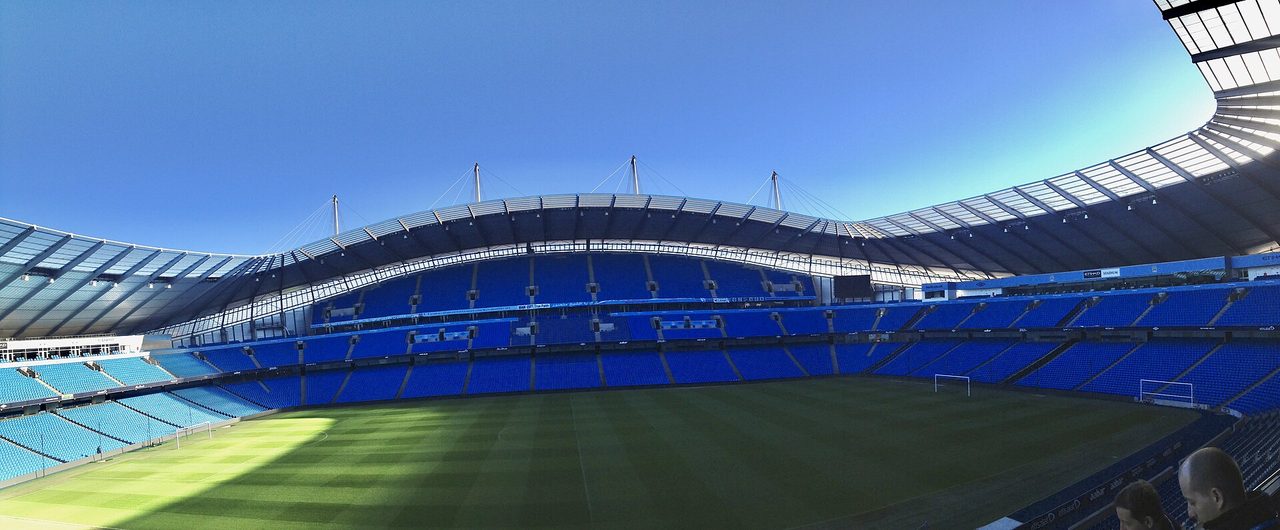
Photo: Ank kumar / CC BY-SA 4.0 · via Wikimedia Commons
The Gulf Money That Remade Manchester — and Now Haunts Its Mayor-Turned-PM
A Guardian investigation reopens the city files
A Guardian investigation published on 25 October has pulled a decade of deals between Manchester city council and Abu Dhabi United Group back into the light. Its thrust: the face of an English northern city was remade with Gulf capital, and Andy Burnham — Greater Manchester mayor from 2017 until this summer, now prime minister — was in the room for the key decisions.
A billion-pound bet on two old districts
The official story was regeneration. In 2014 the council formed Manchester Life, a joint venture with Sheikh Mansour's Abu Dhabi United Group, promising more than £1bn over a decade for thousands of homes in Ancoats and New Islington, beside the Etihad stadium. Former civic leaders defend the deal as the kick-start Ancoats needed, fully documented and processed.
First pick of public land, plus a gag clause
The paperwork was sharper than the press releases. A 10-year collaboration agreement signed in December 2015 gave the venture first refusal on council-owned development sites, with a prime slice of city-centre land sold to Abu Dhabi for £5m. One clause effectively gagged elected councillors from announcing the deal without written approval from Sheikh Mansour's firm. The agreement expired in 2025 and was not renewed.
Fewer than 1,800 homes, under £3m back
The money trail is now the scandal. The BBC reports the scheme delivered about 1,500 homes across nine sites, a £1.25bn regeneration programme against an original vision of more than 6,000 homes. The i reports the council received just under £3m in overage, or super-profit, payments for almost 1,800 homes — plus £5.2m from land sales and £17.6m in council tax. New council leaders say a deal like it would not be signed today and have opened an internal review.
A £42m retail park bought at six times the neighbour's price
The hottest single transaction is the former Central Retail Park: 10.5 acres bought in 2017 for £42.35m, described as the most expensive land purchase in the city's history, at six times the per-acre price of adjacent land sold to Mansour for £5m. The Telegraph puts the price at about £35m — millions above the nearest bidder and above a valuation of around £33m — and reports a council director resigned rather than recommend it. The site was later earmarked as the permanent home of Burnham's No 10 North plan.
£55m in loans signed off in Burnham-chaired meetings
In 2017 three Jersey-registered property firms ultimately controlled by Mansour — New Little Mill, Vesta Street and Lampwick, the last taking £24.5m — received £55m from the Greater Manchester Housing Investment Loan Fund. Both approval meetings were chaired by Burnham. The fund was set up in 2015 with £300m of government money and has since lent about £1bn to 50 developers. The authority says the loans were repaid with interest at an undisclosed rate; the scrutiny committee chaired by John Leech is investigating.
Emirati-linked land up 39% in a decade
Guardian analysis of Land Registry data shows Emirati-linked titles in Greater Manchester rising from 51 in 2016 to 168 in 2026, and the area owned from 73 to 101 hectares (180 to 250 acres) — up 39%. At least 34 titles sit with Mansour, including the Etihad and Ancoats plots, roughly two-thirds of the total; 15 more belong to the Abu Dhabi government via its 2024 takeover of Circle Health Group, including hospitals in Cheadle, Rochdale and Bolton. Public bodies spent £84.4m with UAE-owned firms between 2016 and 2026, 85% of it NHS money to Circle; the city council spent £6.3m, over half of it with Manchester City FC. For context, the UAE accounts for just 0.3% of all UK foreign direct investment.
Three inquiries follow Burnham to Westminster
What comes next runs on three tracks: the council's review of the overage deal, the combined authority's probe of the £55m loans, and the fallout from Manchester City's conviction for Premier League financial breaches. Burnham's successor says there will be no further property deals with Abu Dhabi. The Manchester file now sits on the prime minister's desk.
Sources
- The Guardian: ‘That’s the way the city works’: how the UAE changed the face of Andy Burnham’s Manchester
- The Telegraph: Top official quit over UAE deal in Burnham’s Manchester
- BBC: Loans granted while Burnham was mayor investigated by councillors
- Property Week: Council defends first-refusal property deal with Manchester City owners
- The i Paper: The deals that quietly handed Abu Dhabi control of a £1bn Manchester landmark