Small Mind Habits, Measurable Blood Pressure Gains
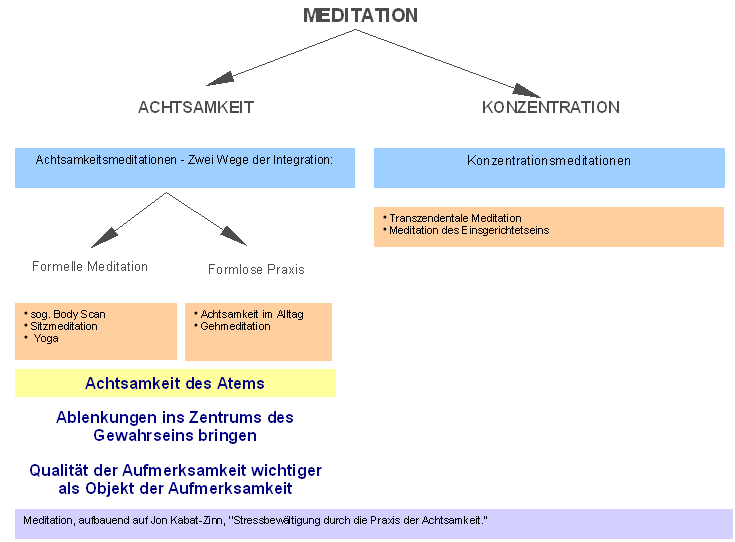
Photo: Archi Chen/Zeichner: selbst, Benutzer:Giramo / Public domain · via Wikimedia Commons
Small Mind Habits, Measurable Blood Pressure Gains
Drugs still do the heavy lifting
Hypertension usually requires medication, and no mindset trick replaces it. Reporting on October 25, The Washington Post pointed to a growing body of evidence that certain mental-health habits may help blood pressure as a complement to proven steps: a healthy diet, exercise, losing weight, quitting smoking, and cutting back on alcohol.
Eight weeks of mindfulness moved blood pressure and inflammation
The new discussion builds on a research review from the University of Illinois Urbana-Champaign, published in Cardiology Clinics. Fellow of the American Heart Association Hernandez said mindfulness-based programs delivered over an eight-week period reduced systolic blood pressure and lowered inflammatory markers such as high-sensitivity C-reactive protein and fibrinogen in hypertension and post-acute coronary syndrome groups. People who practiced mindfulness and trained optimism and gratitude for eight to twelve weeks saw meaningful reductions in blood pressure and related risk factors.
A twelve-week digital program cut systolic pressure by 7.6 points
The largest reduction in the review came from a twelve-week spirituality-based digital intervention built around inspiration, significance, and purpose. Systolic pressure measured with a standard cuff fell by 7.6 points, and central systolic pressure measured in the aorta fell by 4.1 points. The takeaway is modest but concrete: a few minutes of daily mental practice may produce measurable cardiovascular change within months, strictly as an add-on to medication rather than a substitute.
A gratitude letter steadied the stressed heart
Gratitude has experimental backing too. One study found that writing a gratitude letter changed how systolic blood pressure rose during a stress test, suggesting gratitude may soften cardiovascular reactions to stress. In a randomized trial of 119 young women, two weeks of a gratitude exercise was followed by better well-being and sleep quality and lower diastolic blood pressure. The practice itself is simple: jot down things you are grateful for in a journal, or write family and friends letters explaining why you appreciate them.
Meditation, yoga, and relaxation passed a twenty-two-trial test
A systematic review and meta-analysis in the Journal of Human Hypertension pooled twenty-two randomized controlled trials with a maximal total sample of 3,089 individuals. Compared with controls, systolic pressure differences were minus 2.17 for mind-body exercise, minus 1.49 for meditation, and minus 4.76 for relaxation; diastolic differences were minus 1.69, minus 1.00, and minus 1.71 respectively. Meditation, mind-body exercise such as yoga and tai chi, and relaxation techniques including massage were each associated with blood pressure drops in adults without hypertension.
Sleep seven hours, move two and a half hours a week
Official guidance covers the fundamentals. The Centers for Disease Control and Prevention advises taking deep breaths, stretching, or meditating; adults sleeping seven or more hours per night on a regular schedule; and building up to two and a half hours of activity a week, broken into twenty to thirty minutes a day. Research highlighted by the National Institutes of Health found a mindfulness program produced a 4.5 mm Hg blood pressure reduction at six months versus controls, alongside a 0.54-point gain in interoceptive awareness on a zero-to-five scale and heart-healthier eating.
Who stands to gain, and where the line is
People with hypertension or a cardiac history gain an extra lever alongside their prescriptions, and stressed, sleep-deprived adults get low-barrier habits that are easy to start. But the boundary matters: none of this replaces blood pressure drugs. Anyone on medication should not reduce or stop it on the basis of breathing exercises or journals, and any change must go through a doctor.
Three small things to start tonight
The next steps fit into one evening: get seven hours of sleep, set aside a few minutes for slow breathing or mindfulness, and start logging two and a half hours of weekly movement. Longer term, keep chipping at the main risks the World Health Organization names for hypertension: unhealthy diet, physical inactivity, high salt intake, excess alcohol, and being overweight. Steadier days may mean steadier readings.
Sources
- The Washington Post: 3 mental health habits that may help your blood pressure
- Health: 3 Stress-Relief Techniques That May Help Lower Your Blood Pressure, According to Research
- ScienceDaily: Mindfulness may lower blood pressure in just 8 weeks
- Knowridge: Can Mindfulness Help Prevent Heart Disease?
- National Institutes of Health: Mindfulness training can boost heart-healthy eating