Houthis Hit Saudi Oil Sites and Aden in Widening Retaliation Spiral
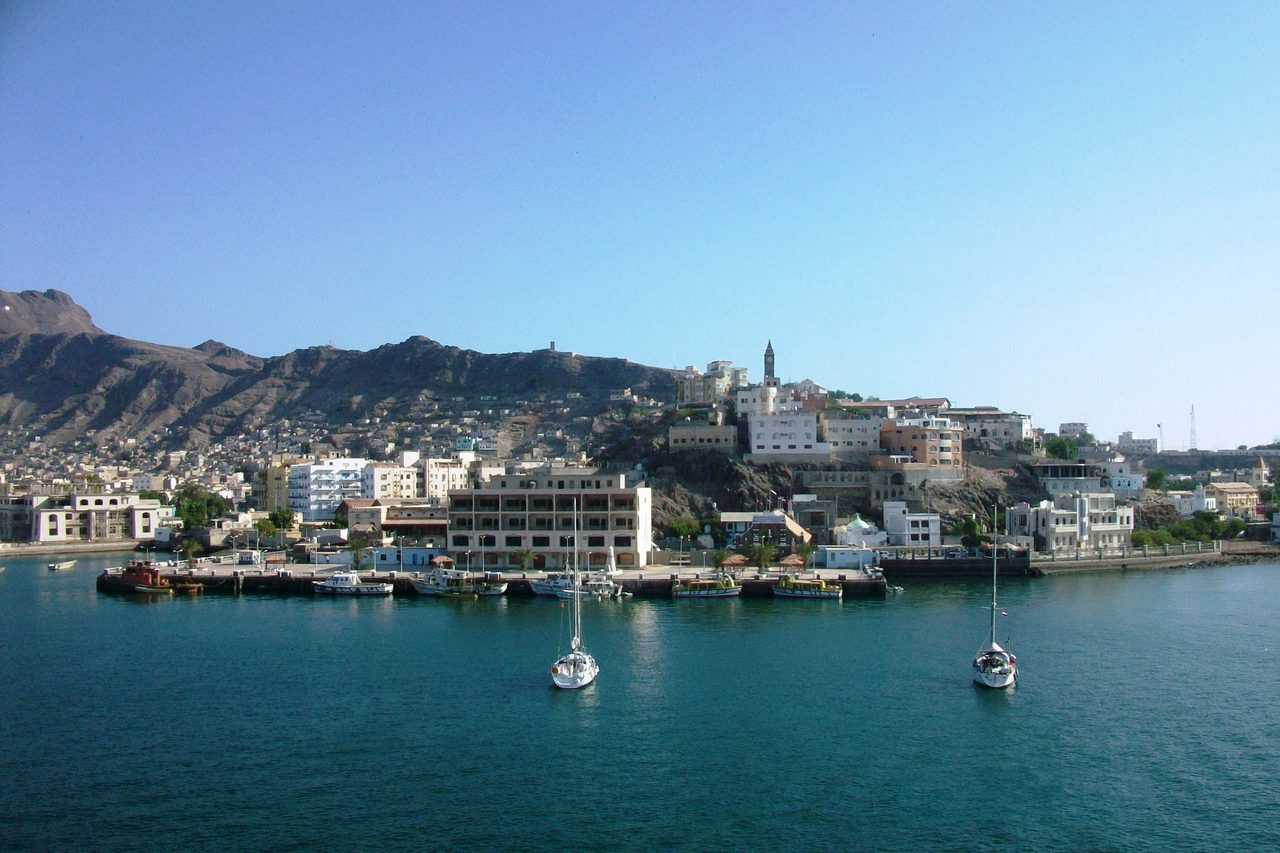
Photo: T3n60 / CC BY-SA 3.0 · via Wikimedia Commons
Houthis Hit Saudi Oil Sites and Aden in Widening Retaliation Spiral
Saree Lists Seven Targets Across Saudi Arabia
Yemen's Houthis said on October 24 that they had launched a broad wave of attacks deep inside Saudi Arabia. Military spokesman Yahya Saree said the targets included King Khalid International Airport in Riyadh, Aramco facilities in Yanbu, the Rabigh refinery, crude oil pumping stations and the East-West Pipeline, King Fahd International Airport in Dammam, Najran airport and the Khamis Mushait airbase. France 24 described the announcement as seven simultaneous operations against airports, oil infrastructure and military sites.
Coalition Says Two Missiles Downed as Four Cities Take Cover
The Saudi-led coalition said it intercepted two missiles aimed at Taif and Yanbu in the kingdom's west. Saudi Civil Defense briefly issued "potential danger" alerts for Taif, Yanbu, the holy city of Mecca and Jeddah, telling residents to head for shelter, then lifted them about 10 minutes later. Dawn reported shrapnel falling in Wadi Mughamas outside Mecca. Kuwait Times added that the coalition also destroyed a ballistic missile aimed at Riyadh and a drone headed for the Eastern Province.
Three Missiles Strike Aden's Coast Guard and Airport
In Yemen, three missiles landed in Aden on Saturday. The Interior Ministry of the internationally recognised government said two struck the coast guard headquarters inside the ministry compound and a third hit a separate coast guard building in the Tawahi district. The Transport Ministry said Aden International Airport was hit by two ballistic missiles, the fourth such attack this month, while the Information Ministry said both the airport and the port were targeted. Aden had already been hit several times this month: the command centre inside the presidential palace compound was bombed on October 15 (5 killed, 16 wounded), two missiles landed inside the airport perimeter on October 16, and the airport was hit again on October 21.
Houthis Name Two Aden Camps They Say Saudis Run
Saree said Houthi forces had hit "Saudi enemy concentrations at the so-called Al-Nasr camp and the naval base in Aden," adding that Saudi officers were overseeing mobilisation there. That account differs from the government's description of coast guard sites. Aden has served as the interim capital of the internationally recognised government since the Houthis seized Sanaa in 2014, and its coast guard is funded and equipped by Saudi Arabia.
Sixteen Dead in Sanaa and Hodeida Strikes, Houthis Say
The Houthis framed the attacks as retaliation for coalition airstrikes. Their Al-Masirah outlet reported that Saudi-led strikes on Sanaa and the Red Sea port of Hodeida killed at least 16 people: a strike on a house in the capital killed at least four and wounded several more; a residential building for cement factory workers in Sanaa governorate was hit, killing six women and one child and wounding three; and five members of one family — the head of the household, his two children and his two wives — were killed in their home in Hodeida. An earlier report had put the toll at 17.
Government Claims 700 Strikes and 300 Fighters Neutralised
Yemeni army spokesman Colonel Majed Abdullah al-Nazili said government forces carried out more than 700 "targeting operations" across Yemen in 24 hours, "neutralising" 300 Houthi fighters and disabling military vehicles. He said the operations hit field command centres, gatherings, weapons depots and supply lines in Taiz, where heavy fighting has raged for days. Al Jazeera said it could not independently verify the figures. The UN humanitarian office says nearly 260,000 people have been displaced since August, about half of them in Taiz.
UN Condemns Attacks as 100 Jets Signal Escalation
On October 15, the UN Security Council unanimously adopted a presidential statement condemning escalating Houthi attacks on Saudi Arabia, including ones affecting civil aviation and energy infrastructure, and the governing council of the International Civil Aviation Organization condemned strikes on civilian airports and aircraft. The coalition has acknowledged deploying 100 fighter jets against the Houthis, its first admission since 2022 of resumed air attacks. The Houthis renewed warnings that Riyadh's King Khalid airport remains "unsafe" and a military target; the airport resumed operations at two terminals on Sunday after a halt following a Houthi attack earlier this month.
Pipeline Terminal in Crosshairs as Truce Window Narrows
Yanbu anchors the Red Sea end of Saudi Arabia's 1,200-kilometre East-West pipeline, and naming oil and airport targets puts the kingdom's economic lifelines directly under threat. Key claims remain unverified: whether missiles flew toward Taif or Mecca, and whether Aden's stricken sites were Saudi-run camps or coast guard posts. What comes next turns on whether the coalition widens airstrikes on Sanaa and Hodeida and whether the Houthis follow through on threats to keep hitting Riyadh's airport — either path pushes a fragile truce further out of reach.
Sources
- Al Jazeera: Houthis launch attacks on Saudi Arabia and Yemen's Aden
- Aaj TV: Houthis claim fresh attacks on Saudi Arabia, Aden
- Reuters: Houthis say they targeted Saudi oil sites; attacks reported in Aden
- News18: Houthis Strike Sites In Yemen's Aden Overseen By Saudi Forces, Accuse Kingdom Of Killing 16
- Dawn: Saudi-led coalition forces, Houthis trade blows; 16 dead in Sanaa, Hodeida