Japan's First Political Son-Turned-Premier Dies at 90
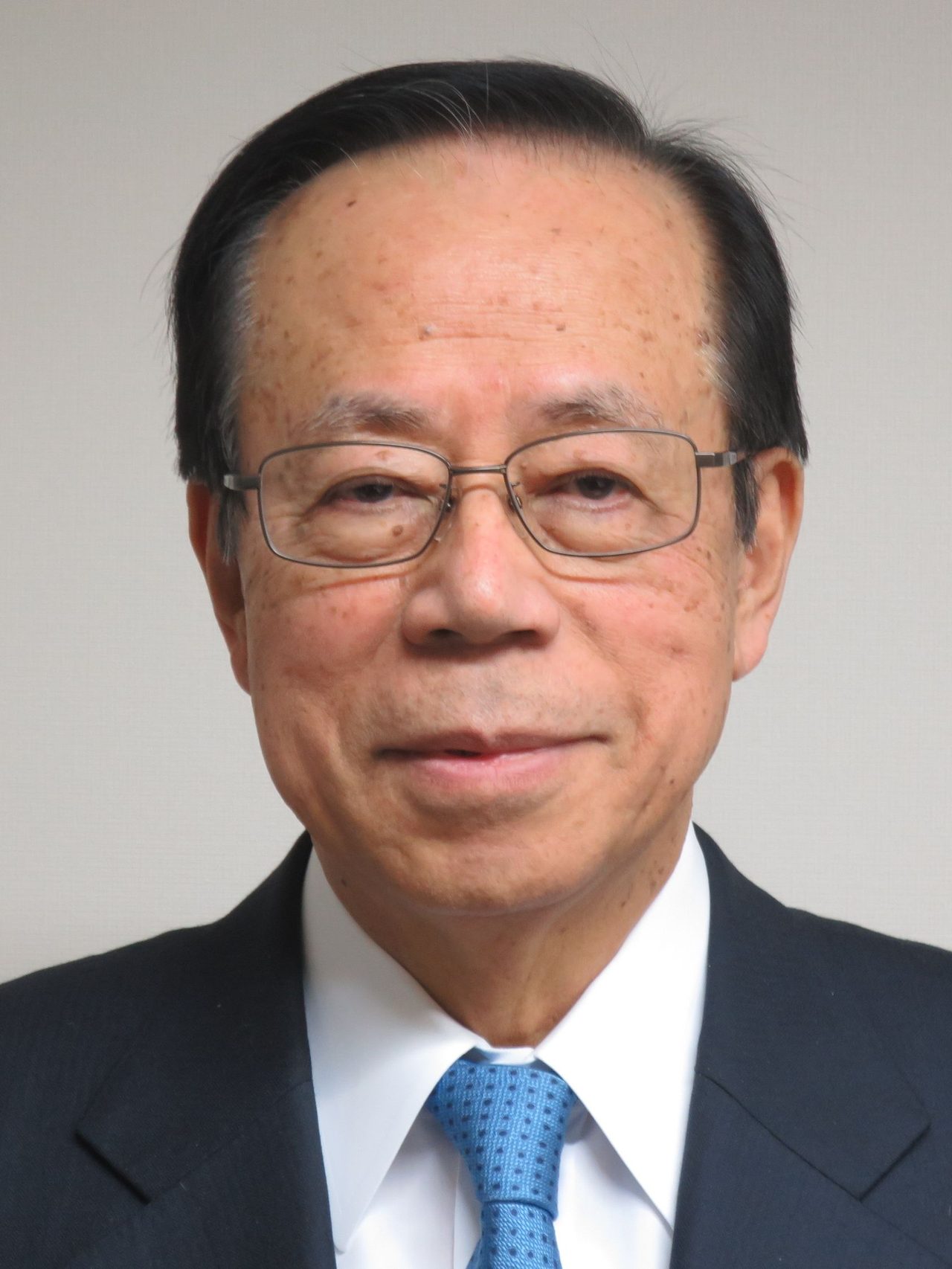
Photo: 外務省 / CC BY 4.0 · via Wikimedia Commons
Japan's First Political Son-Turned-Premier Dies at 90
A Quiet Death in Tokyo, Announced Four Days Later
Former Japanese Prime Minister Yasuo Fukuda died of heart failure at a Tokyo hospital on Oct. 22. He was 90. The House of Representatives and the ruling Liberal Democratic Party announced his death on Oct. 26. His son Tatsuo, a member of the House of Representatives, served as chief mourner. A private funeral for close relatives has been held, with a public memorial to follow, according to Kyodo News and Jiji Press carried by nippon.com.
Takaichi Mourns a Builder of Japan's Standing
Prime Minister Sanae Takaichi told reporters in Tokyo she felt "deep sorrow," praising Fukuda as a leader who "worked to articulate Japan's position on various international issues and enhance its standing in the international community." Nikkei Asia, which first reported the death, described him as a premier who dedicated himself to stabilizing relations with China.
From Abe's Sudden Exit to Japan's First Father-Son Premiers
Fukuda became the 91st prime minister in September 2007 after Shinzo Abe suddenly resigned, winning the LDP presidential race. He was the first son of a prime minister to become premier himself. His father, Takeo Fukuda, served about two years; Yasuo Fukuda served less than a year, from September 2007 to September 2008, an even shorter tenure.
Three Months In, a Pivotal Trip to Beijing
Fukuda made warming ties with Asian neighbors, especially China, the mark of his brief government. About three months after taking office he visited China and met then-leader Hu Jintao. He continued working on Japan-China exchanges long after leaving office. In 2008 he chaired the Group of Eight summit in Toyako, Hokkaido, and pushed climate-change measures.
Undone by a Divided Diet
The opposition-controlled upper house stalled legislation, frustrating Fukuda. He resigned in 2008, the second of six prime ministers in a row to quit after only around a year. He said the government must not let policy implementation grind to a halt. He stayed in the Diet after stepping down and retired from politics in 2012.
Why His Passing Resonates Beyond Protocol
Fukuda represented a moderate,Go-between style of conservatism that valued dialogue with Beijing. His death revives debate over Japan's revolving-door premierships of that era and over family politics: his son Tatsuo remains a lawmaker viewed as a potential future prime minister. For readers of The Japan Times, The Straits Times and Kyodo News, the obituaries frame him less as a strongman than as a stabilizer.
What Comes Next: Mourning, Then Memorial
The family mourning comes first, followed by a formal memorial service on a date to be announced. Further tributes from the LDP, parliament and Japan-China friendship groups are expected in the coming days.
Sources
- Nikkei Asia: Former Japan Prime Minister Yasuo Fukuda dies at 90
- Kyodo News: Former Japanese PM Fukuda, known for strengthening ties with China, dies at 90
- The Japan Times: Former Japanese Prime Minister Yasuo Fukuda dies at 90
- nippon.com: Ex-Japan PM Yasuo Fukuda Dies at 90
- The Straits Times: Yasuo Fukuda, Japan’s first second-generation prime minister, dies at 90: Media reports