Fresno, the Unlikely Escape From California's Million-Dollar Coast
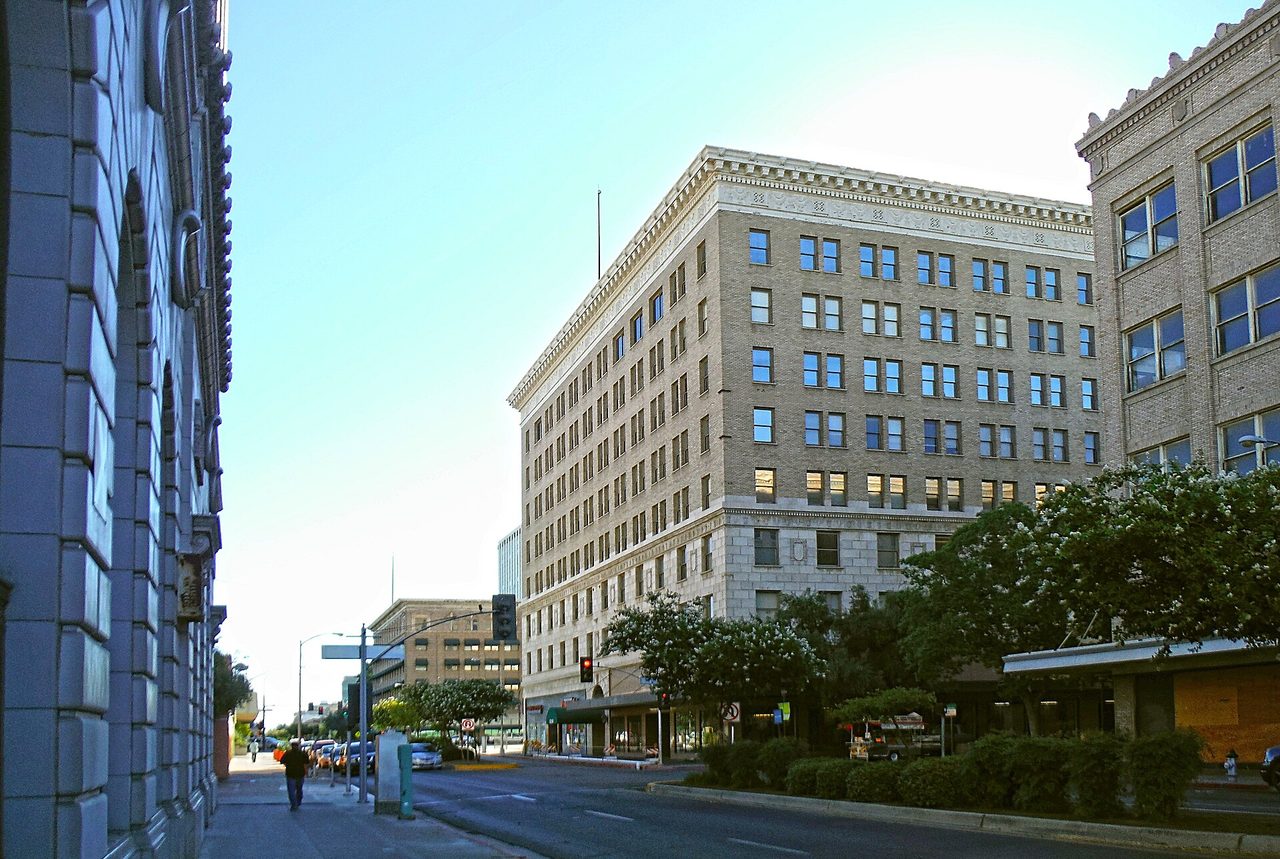
Photo: David Prasad from Fresno, CA., United States / CC BY-SA 2.0 · via Wikimedia Commons
Fresno, the Unlikely Escape From California's Million-Dollar Coast
Homes under $500K draw coastal refugees inland
Fresno, in California's Central Valley, has become the state's most unlikely boomtown. Its metro median listing price hit $469,500 in September, up 42.8% from $328,800 in September 2019, according to Realtor.com. That growth is almost double the statewide pace, with California's median rising 24% from $584,700 to $725,000 over the same period. Yet Fresno remains 35.2% cheaper than the state average, roughly one-third less, and single-family homes can still be found below $500,000. By contrast, the median list price hovers around $1 million in Los Angeles and $1.5 million or more in San Francisco.
Mayor confirms the inflow comes from LA and the Bay
Fresno Mayor Jerry Dyer told the California Post and the Los Angeles Times that the city has seen heavy relocation from Los Angeles and the Bay Area since 2021. State Department of Finance figures show Los Angeles lost about 33,000 residents last year, while Fresno held steady at nearly 561,000. Fresno County has added roughly 22,500 residents since 2021, passing 1 million. Dyer said business owners see Fresno as California's future because of its central location, affordability and growing population, plus an available workforce and technical training schools. What began with remote-working families has broadened: newcomers under 40 are moving downtown, pushing the average resident age down to 31.
A coastal affordability crisis pushes people out
The outflow reflects pressure on the coast. The 2026 Silicon Valley Poll, conducted by Embold Research for Joint Venture Silicon Valley and the Bay Area News Group among 1,801 adults, found 46% are likely to leave the Bay Area in the next few years, up from 43% last year and down from 56% in 2021. About 75% said they feel they belong and 77% feel welcomed, including 66% of those likely to leave. But 95% called housing and affordability a serious problem, including 78% who called it very serious, while nearly four in five said the region is becoming a place where only the wealthy can thrive. Dyer puts Fresno's average home price at $400,000, with little congestion and proximity to parks.
Top-ranked survival rate powers small business
The shift is reshaping the local economy. A study of Census Bureau data ranked Fresno No. 1 in California for new-business survival, with 69.3% still open after five years. Los Angeles at 64.26% and San Jose at 64.49% ranked among the 10 worst metros nationally. Fresno County's unemployment rate fell from 7.8% in August to 7.4% in September. Jenny Voo, 30, a fitness coach, moved from Southern California in 2025 to start a business and save money, praising a close-knit community over big-city corporations. Justin Derby, 45, moved his wife and two children, ages 9 and 12, from Marin County for work, saying Los Angeles and San Francisco had become unsustainable.
Rapid gains squeeze locals as rates bite
The boom faces pressure. Realtor.com reports a 15% increase in million-dollar listings in Fresno over the past year. Dyer worries demand has outpaced supply, lifting rents and prices for homegrown residents. Downtown Fresno one-bedroom rents run $1,350 to $1,875, against $2,650 in Los Angeles, but higher mortgage rates have recently cooled sales, hitting lower-end buyers hardest. Whether Fresno can add enough housing while preserving its cost edge will decide how long the inland boom lasts.
Sources
- New York Post: Fresno becomes California's new boomtown as people flee LA and San Francisco
- Los Angeles Times: Young people are fleeing Los Angeles for surprising places. Fresno in, Texas out?
- The Fresno Bee: Is Fresno the new L.A.? Gen Z flocking from SoCal
- The Sacramento Bee: Gen Z moving to Fresno from L.A. and Riverside, U-Haul report shows
- The Mercury News: SV Poll: Bay Area residents feel they belong — but nearly half say they’re likely to leave