A Gigawatt Next Door: Inside Wisconsin's $15 Billion Data Center Fight
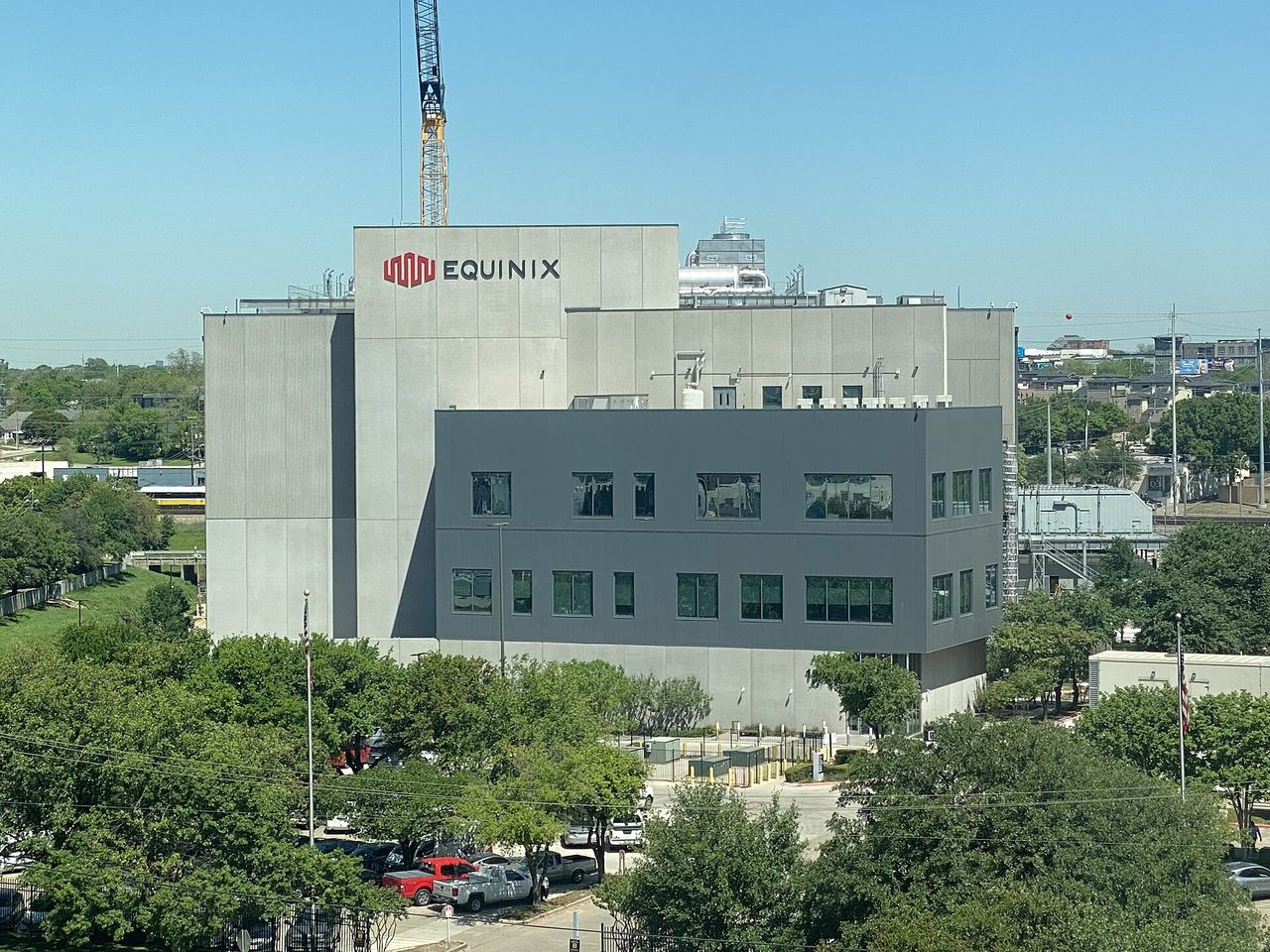
Photo: Andrew nyr / CC BY-SA 4.0 · via Wikimedia Commons
A Gigawatt Next Door: Inside Wisconsin's $15 Billion Data Center Fight
Cranes on the Horizon in Port Washington
Along a two-mile stretch of highway outside Port Washington, Wisconsin, cranes crowd the skyline where farmland used to be. NPR correspondent Sacha Pfeiffer, visiting with producer Henry Larson, described struggling for words at the sheer scale: about 2.5 million square feet of AI data halls rising on former fields. The Lighthouse campus, developed by Vantage Data Centers with Oracle and OpenAI as part of the Stargate program, is a hyperscale bet worth $15 billion or more, planned as four buildings on 672 acres.
A Part-Time Mayor's Big Bet
For Mayor Ted Neitzke, the project is a lifeline. The job pays a $7,500 annual stipend, but it gave him a hand in approving a campus he says will deliver thousands of local jobs, beautification and infrastructure money, and a gusher of tax revenue. Neighbors see it differently. One resident, Mueller, lives about a half mile away and wants at least a one-mile buffer between homes and data centers. There have to be guardrails, she said.
Power Demand on a Los Angeles Scale
The numbers explain the dread. Phase one alone would draw 1.3 gigawatts, with a future ceiling of 3.5 gigawatts; the IT capacity now listed is about 902 megawatts, close to a gigawatt. Wisconsin's Public Service Commission estimates the Port Washington campus plus Microsoft's in Mount Pleasant and Meta's in Beaver Dam will drive roughly a 40 percent increase in statewide peak power demand over six years. Microsoft's Mount Pleasant campus is an $8.4 billion project; Meta's Beaver Dam project is about $1 billion.
Who Pays the Electric Bill
Wisconsin is one of 38 states offering tax breaks on data center equipment, plus exemptions on electricity the facilities use. To blunt the backlash, Oracle agreed to take 125 to 250 megawatts from the Point Beach nuclear plant, 10 to 20 percent of its output, a deal it says saves We Energies customers about $300 million in fuel costs for more than a million Wisconsin utility customers. We Energies has also put large data centers on a dedicated rate that Vantage says it fully underwrites, and several tech firms pledged at the White House not to shift energy costs onto ratepayers.
A Lawsuit, a Panic, and a Settlement
The state Department of Natural Resources issued permits for Lighthouse on June 12 without an environmental impact statement. The Sierra Club, represented by Midwest Environmental Advocates, sued in July. Filings showed a Vantage lawyer writing that the company was "reviewing (and panicking) internally" over the review requirement, and a September 2025 text in which a Vantage official told the mayor the governor's office wanted to know why a statement would "kill the project." Under the settlement filed October 16 and announced October 19, the campus permits stand, but Vantage pays for a statewide strategic review of data centers that the DNR must finish by January 31, 2028.
Voters Hate Them, but Vote on Other Things
The Marquette Law School Poll finds 74 percent of Wisconsin voters saying data center costs outweigh benefits, including 57 percent of Republicans, 83 percent of independents and 90 percent of Democrats. About 68 percent favor a statewide construction freeze of at least a year. Yet only 5 percent call data centers their most important issue, trailing inflation, immigration, health insurance and property taxes. Gubernatorial rivals David Crowley and Tom Tiffany have both adjusted their messaging, while cities from Wisconsin Rapids to former Walmart-conversion fights show moratorium politics spreading. More than 50 different kinds of data centers are already in the state.
What Comes Next
Two clocks now run at once: the DNR's statewide environmental review, due January 31, 2028, and the governor's race, where bipartisan voter anger meets bipartisan candidate caution. Meaningful load from the campus is unlikely before mid-2028. Whether the Lighthouse model, dedicated rates, nuclear deals and a state-level environmental review, can coexist with half-mile neighbors will decide if Wisconsin becomes the template or the warning for America's AI buildout.
Sources
- NPR: Inside the massive data center tearing a Wisconsin community apart
- WPR: Wisconsin will examine environmental cost of data centers in lawsuit settlement
- Green Bay Press-Gazette: Settlement reached in Sierra Club's data center lawsuit against DNR
- Forbes: Oracle Will Absorb $300 Million Nuclear Bill Paid By Wisconsin Taxpayers
- Wisconsin Rapid Tribune: With election looming, data center disapproval persists in new poll