Bishops Say a Private White House Meeting Became an Election-Season Photo Op
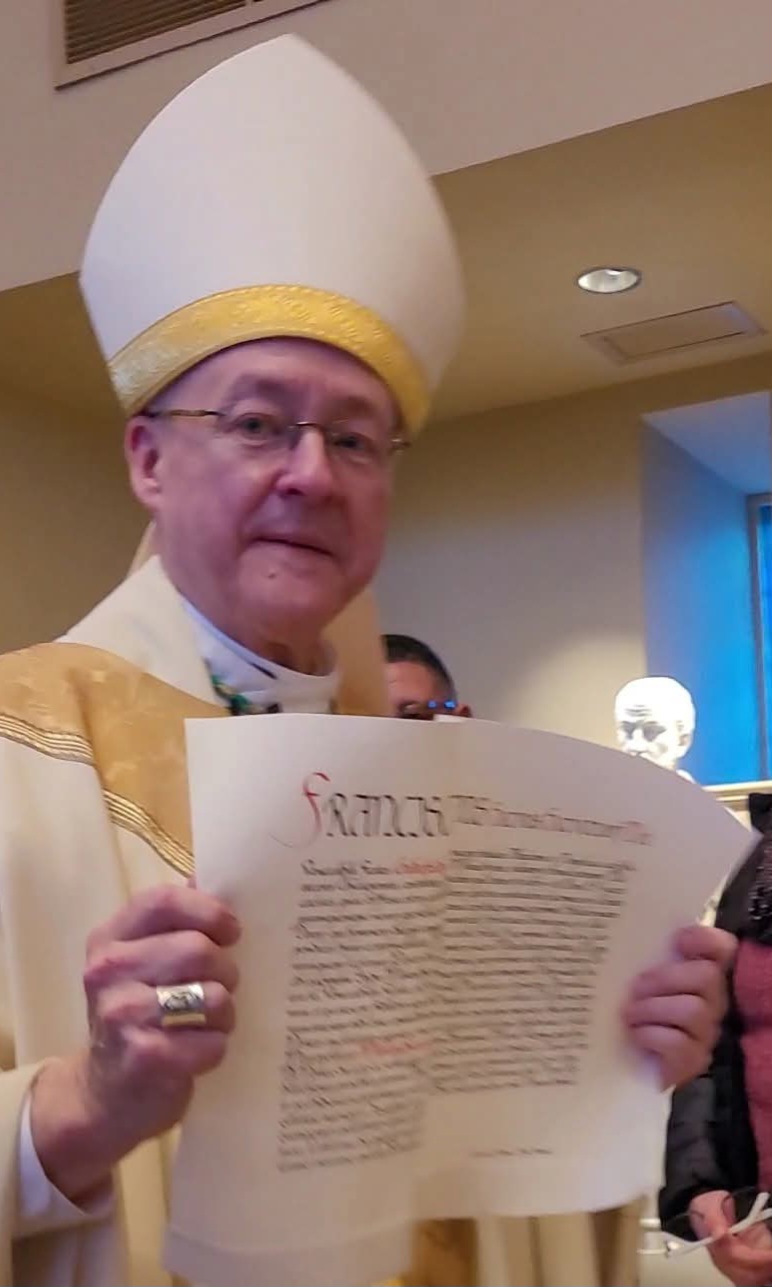
Photo: Catholic Laitinen / CC0 · via Wikimedia Commons
Bishops Say a Private White House Meeting Became an Election-Season Photo Op
Twelve bishops went for a three-hour talk, not a photo op
Twelve U.S. Catholic bishops met President Donald Trump in the Oval Office on Oct. 22 for what they describe as a roughly three-hour policy session. The prayer captured in the viral footage was only a brief closing moment: Archbishop James R. Golka of Denver, his hand on Trump's shoulder, thanked God for "the gift of this office of the presidency" and asked a blessing on the president. Discussion topics included immigration issues such as religious worker visas, protection of life, religious freedom and school choice. The bishops say they were received by Trump, given commemorative tokens, directed to stand behind him for the prayer while staff took photos, and then ushered out.
Grob apologizes, insisting the visit endorsed no one
Milwaukee Archbishop Jeffrey Grob issued a statement on Oct. 25 titled "A Public Apology," saying he had received many distraught questions and comments about the visit. "The meeting was in no way an endorsement of the president, his policies, or his party," he wrote. The bishops had been told the meeting would be a private discussion, that several Catholic cabinet members might appear, and that there could be a chance to pray privately with the president. "I did not go without reservations. I wish I had heeded them," Grob wrote. "I apologize for any damage my actions have done."
Photos went public without consent, days before the midterms
Grob said the White House "speedily publicized" the meeting with photos and a video "without the consent of the participants," less than two weeks before the midterm elections, while early voting was already underway in Iowa and other states. The footage was posted by Margo Martin, a special assistant to the president. "I soon began receiving messages of serious concern over the possibility that I had inadvertently participated in a political event," Grob wrote, adding that some writers felt wounded by harms the president's policies had done to them or their families.
A second bishop says the visit was exploited for partisanship
Bishop William Joensen of Des Moines said in an Oct. 24 statement that the Oct. 22 visit by the 12 bishops was not intended "to endorse any political party." Joensen wrote: "I wish I had been more shrewd and less simple, like those who exploited our meeting for partisan political purpose," adding, "I pray I am more prudent and wise" in the future. His prayer, he said, asked God to guide Trump's heart "and impel him to lead in a way consistent with the dignity of his office."
The White House declines the consent question
Asked whether it had the bishops' consent to release the photos and video, the White House press office declined to answer. Spokeswoman Taylor Rogers replied instead: "There has never been a greater president for Catholic Americans than President Trump, and his strong record proves it." Golka, who led the prayer, told the Denver Catholic that being seen as an endorser "was never my intention," saying, "this is what Catholics do. We pray for people."
At stake: the church's neutrality in election season
Grob said he felt "a heavy sadness, not only over the pain I caused, but also for the fact that something so sacred to a group of religious leaders, prayer to our Heavenly Father, would be manipulated in that way." With the midterms days away, both bishops framed the episode as a warning: clergy engagement with power must not become campaign imagery. What comes next is scrutiny of how dioceses handle future White House invitations — and whether voters read the prayer photo as pastoral duty or political signal.
Sources
- ABC News: Catholic bishops regret White House prayer photo with Trump, say it was used politically
- USA Today: Catholic bishops say White House visit was politically exploited
- The New York Times: Catholic Leaders Say Trump Meeting Wasn’t Intended to Be Political After White House Shares Video
- EWTN News: Milwaukee Archbishop Grob issues ‘public apology’ over White House meeting
- Milwaukee Journal Sentinel: Milwaukee archbishop apologizes for White House visit, says it was manipulated