Zelenskyy Demands Release of Paid-For Patriot Missiles as Russian Strikes Kill Civilians
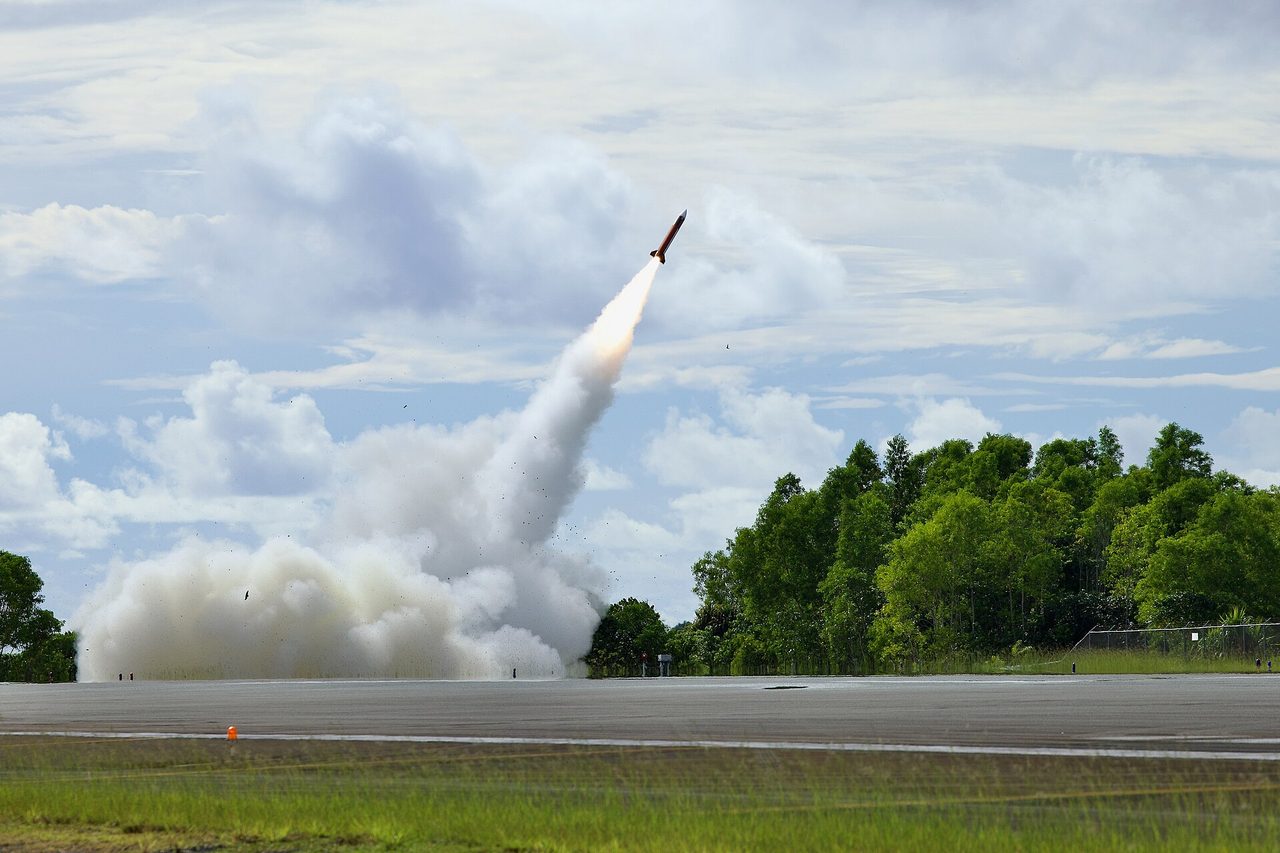
Photo: U.S. Army photo by Capt. Frank Spatt / Public domain · via Wikimedia Commons
Zelenskyy Demands Release of Paid-For Patriot Missiles as Russian Strikes Kill Civilians
Deadly Weekend Raids sharpen the Plea
Russian drones and missiles struck several Ukrainian regions on Saturday night, killing at least four people, ABC News reported on October 25. Writing on social media the next day, President Volodymyr Zelenskyy said Ukraine must strengthen its air defenses alongside renewed peace efforts: "We need to unblock the already agreed-upon deliveries of interceptors for Patriot systems." The American-made Patriot is Kyiv's main shield against Russian ballistic missiles.
Paid Missiles Await One Signature
Zelenskyy accuses the Pentagon of sitting on missiles that European countries have already paid for. Speaking to US senators on October 19, he said the shipment needed only the signature of US Defense Secretary Pete Hegseth, Euronews and DW reported: "The missiles are ready, and they could already be in Ukraine. But unfortunately, there is still no approval." France 24 added that Kyiv received no advance warning of the bombardments, the third such lapse in a short period, with no clear explanation from Washington.
Twelve Interceptors a Month, a Quarter of Before
The numbers behind the complaint are stark. In a Bloomberg interview published October 18, Zelenskyy said the United States now supplies about 12 Patriot interceptors a month, roughly a quarter of the pace under the Biden administration — and that Ukraine must now buy them instead of receiving them as aid, according to United24Media and RBC-Ukraine. In an ABC News interview on October 24, he went further: just 24 missiles had arrived from the "strategic partner" over the previous 90 days, while Ukraine needs an average of 350 interceptor missiles a month, NV and the Kyiv Post reported.
Russia Presses Its Ballistic Advantage
Moscow is exploiting the gap. More than 20 ballistic missiles were fired at Ukraine on the night of October 22 alone, Zelenskyy said, as cited by the Kyiv Post. ABC News reported on October 19 that at least 16 ballistic missiles targeted the Kyiv region, leaving about 550,000 families without power. A October 17 barrage across nine regions killed at least eight people, wounded 60, and cut power to more than one million, Al Jazeera reported. CNN reported on October 15, citing a source familiar with the matter, that Ukraine had exhausted its Patriot interceptor stockpile, so nearly all ballistic missiles in the October 14 strike went unintercepted. On October 19 a Russian drone struck people directly in a park near an ordinary cafe in the Kharkiv region, killing six including young children, among them a one-year-old girl — "a pure atrocity," Zelenskyy said, as reported by The Guardian.
Europe's Stockpiles Hinge on Washington
A workaround exists but needs American consent. Zelenskyy said several European countries stand ready to transfer Patriot interceptors from their own stocks, pending US approval. Figures he released show Patriot interceptor deliveries sliding from 675 in 2023 to 364 in 2025, with only 264 projected for 2026, Euromaidan Press reported on October 23. Europe holds enough PAC-2 and PAC-3 interceptors to cover Ukraine's minimum winter needs, he said on October 16, though how many would be handed over is unknown. The Kyiv Independent reported that Washington has approved only some of the missiles bought through NATO's Prioritised Ukraine Requirements List, the mechanism by which allies fund US-made weapons for Kyiv.
A Winter Grid Under Threat
The air-defense shortfall translates directly into blackouts. Recent strikes hit power facilities in the Kyiv, Volyn, Odesa, and Mykolaiv regions plus civilian businesses, a university building, and shopping centers. Zelenskyy has warned that Russia plans to intensify ballistic attacks while the shortage lasts, and emergency repairs are underway. Whether the lights stay on this winter now depends on two decisions in Western capitals: an American signature releasing the paid-for missiles, and a European consensus on transfers from national stocks.
Sources
- ABC News: Ukraine must 'unblock' Patriot missile delivery, Zelenskyy says after deadly strikes
- Euronews: US allegedly holding up delivery of Patriot air defence missiles, Zelenskyy says
- DW: Zelenskyy accuses US of delaying Patriot missile shipment
- France 24: Zelensky accuses US of delaying missile deliveries as tensions rise
- The Guardian: Ukraine war briefing: Zelenskyy claims US deliberately delaying interceptor missile deliveries to Kyiv