An Empty Chair in Montreal: Quebec Says Ottawa Muzzled It at the EU Summit
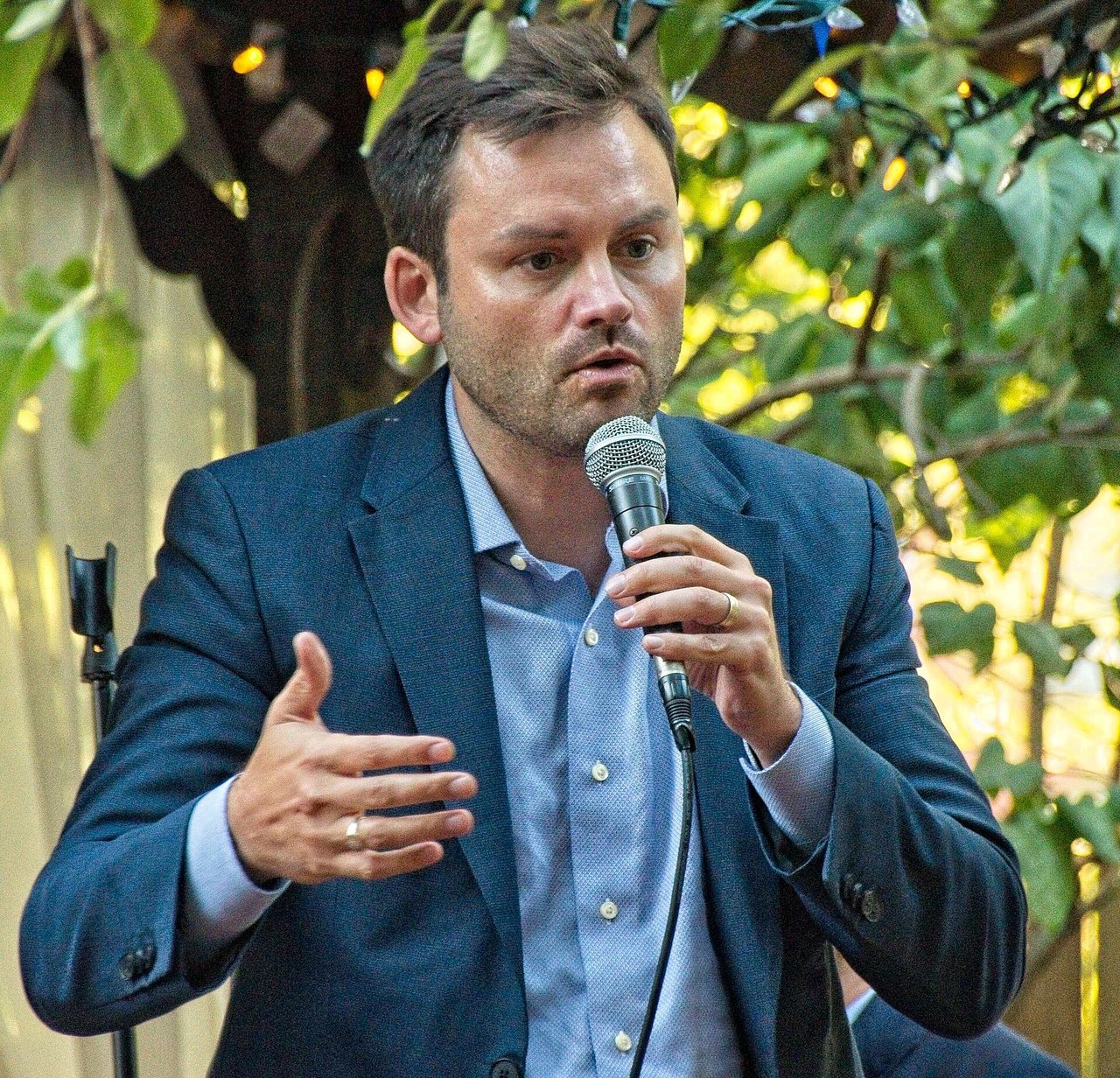
Photo: Alexis G. / CC BY-SA 4.0 · via Wikimedia Commons
An Empty Chair in Montreal: Quebec Says Ottawa Muzzled It at the EU Summit
A summit on Quebec soil, but no microphone for Quebec
The Canada-European Union summit opens Thursday in Montreal, running October 29 to 30, with Prime Minister Mark Carney hosting European Council President António Costa and European Commission President Ursula von der Leyen. Quebec Premier Paul St-Pierre Plamondon says Ottawa refused his request to address the gathering, even though it takes place in his province and covers strategic and economic files that touch Quebec jurisdiction. In a statement published Tuesday on social media, he called the refusal a muzzle.
"A serious lack of respect," says the premier
St-Pierre Plamondon accused the federal government of negotiating economic decisions directly affecting Quebec without consulting the province or giving it a seat at the table. He called it not only a serious lack of respect but a step backward for Quebec's ability to act on its own and defend its interests. His minister responsible for justice and intergovernmental affairs threw Carney's own line back at him: when you are not at the table, you are on the menu, adding that silencing Quebec on its own territory denies the role of its parliament and recalls the need to be fully in charge in its own home.
A side-event reception refused as well
Quebec also says Ottawa turned down its request to host a reception on the summit's sidelines, a request submitted September 15 by former premier Christine Fréchette. The province argues there is precedent: provincial representatives took part in the negotiations for the Canada-EU free trade agreement, and EU summits routinely feature a business-leaders forum the province could have hosted or co-hosted.
Invited to dinner, but "to serve shrimp cocktail"
Ottawa's position is that the premier is invited to a dinner with EU representatives but will not speak at the summit itself. St-Pierre Plamondon's camp mocked the offer, saying Ottawa would rather have him serve shrimp cocktail at a function than stage one. Carney told reporters in Ottawa on Tuesday that the premier had been invited to the dinner and refused: it was his decision to leave the chair empty.
Ottawa cites federal jurisdiction over geopolitics
Federal Industry Minister Mélanie Joly said the summit is a federal-level international meeting and that geopolitics, including this summit, falls under federal jurisdiction. The premier remains welcome in Montreal, she said, but with everything going on in the world the priority is reaching an agreement with the European Union, which is what Quebecers want. The two claims collide head-on: federal authority over foreign affairs versus provincial authority over the economic files on the agenda.
A separatist victory sets the stage for a spoiler fight
The clash follows the October 5 provincial election that brought St-Pierre Plamondon's Parti Québécois to power, returning sovereignty politics to center stage. He skipped a Monday meeting in Ottawa between the federal government, provincial premiers and First Nations representatives, a no-show Carney lamented. On Monday he also spoke by phone with French President Emmanuel Macron, with both sides agreeing on a possible meeting in France in the coming weeks. The summit itself carries unusual weight: it falls on the 10th anniversary of the signing of the Canada-EU Comprehensive Economic and Trade Agreement, just over a month after von der Leyen proposed a path for Canada to become the EU's first associate member, and against the backdrop of United States tariffs pushing Carney to pitch a new alliance built on critical minerals, defence, artificial intelligence and energy security. When the leaders take their seats Thursday, the most watched chair may be the empty one.
Sources
- Radio-Canada RCI: PQ accuses Ottawa of muzzling Quebec during upcoming Canada-EU summit | RCI
- Global News: Quebec premier accuses Ottawa of censoring him at EU Summit
- Montreal Gazette: Quebec accuses Ottawa of denying its right to speak at summit with EU in Montreal
- Politico: Quebec's separatist leader threatens to play spoiler to Carney's EU summit
- CityNews: Quebec accuses Ottawa of silencing it after premier not allowed to address Canada-E.U. summit