Democrats Bank an Early Lead as 30 Million Vote Ahead of the Midterms
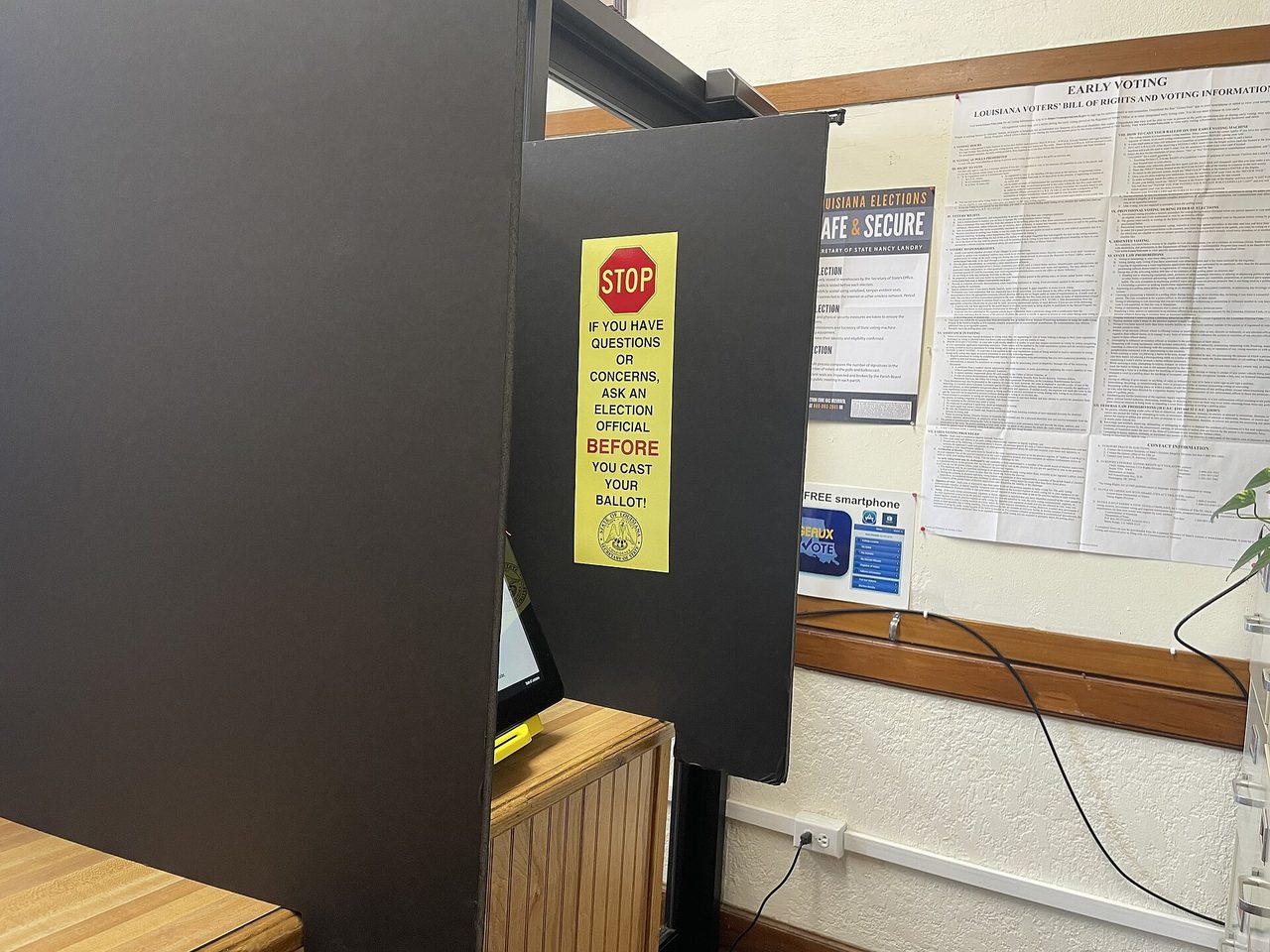
Photo: Ktkvtsh / CC BY 4.0 · via Wikimedia Commons
Democrats Bank an Early Lead as 30 Million Vote Ahead of the Midterms
More Than 30 Million Ballots Already Cast
With a week to go before the November 3 midterms, early voting has reached a scale that already dwarfs most expectations. More than 30 million ballots had been cast nationwide as of October 27, split between roughly 15.1 million mailed ballots and 15.5 million in-person early votes, according to the University of Florida's Election Lab, the benchmark tracker cited across American media. Just four days earlier the total stood above 23 million, and the morning count on October 23 was near 21 million, above the same point in 2022. As many as two-thirds of all votes in this midterm cycle could arrive before Election Day itself.
Battleground States Set a Faster Pace Than 2022
The surge is concentrated where control of Congress will be decided. As of October 23, Texas had banked more than 2.8 million early ballots, Florida nearly 2.2 million, Georgia almost 1.5 million, North Carolina over 1.2 million, and Michigan and Ohio had each passed 900,000. Georgia cast more than 190,000 votes on its first day of early voting alone, a record, and its cumulative total already exceeds 40 percent of everything cast there in the 2022 midterms. Texas sits at about 35 percent of its 2022 total, North Carolina at 33 percent, Florida at 27 percent. North Carolina's accepted early ballots are up 37 percent from the same point in 2022.
Registered Democrats Turn Out First, Unaffiliated Voters Surge
By party registration, Democrats are voting earlier and in larger numbers. In national figures reported in late October, registered Democrats accounted for about 47.4 percent of ballots cast so far, Republicans about 29.2 percent. North Carolina offers the sharpest detail: early ballots from registered Democrats are up 47 percent versus 2022, unaffiliated voters up 60 percent, Republicans up just 2.6 percent, according to analysis of state elections data. In the first five days of North Carolina early voting, unaffiliated voters cast about 34 percent of ballots, up from 29 percent in 2022, against roughly 45 percent for Democrats and 21 percent for Republicans. The state's unaffiliated registrants now outnumber both parties after growing about 20 percent since 2022. Early ballot requests in Iowa, Pennsylvania, Maine and North Carolina all show larger Democratic shares than at the same point in 2024.
Habitual Voters Dominate, and the Polls Agree
This year's early electorate skews heavily toward the most reliable voters: 71 percent of those who have voted so far turned out in all four of the most recent general elections, compared with 63 percent at this stage in 2024. Within that habitual-voter core, about 58 percent are Democrats and 40 percent Republicans. Polling tells a consistent story. In an October 19-20 national survey, about one in five likely voters said they had already cast a ballot, and that group favored Democrats by 68 percent to 31 percent, while those yet to vote were roughly evenly divided. September and October national polls have shown Democrats ahead by roughly 12 points on the generic congressional ballot, with the president's approval rating stuck near 39 percent.
Registration Is Not a Vote Choice
Every analyst attaches the same caveat: election labs track ballots received, not votes for candidates, and party registration reveals who returned a ballot, not whom they chose. Georgia does not register voters by party at all, so analysts there can only infer from geography and demographics. Strong-Harris localities in Virginia are voting at 78 percent of their 2024 pace against 61 percent in strong-Trump areas, a real enthusiasm gap whose translation into votes remains unknown. Where the surging unaffiliated vote in states like North Carolina ultimately lands will only be visible when ballots are counted.
Election Day Still Gets the Final Word
Republicans have long leaned on Election Day turnout, so an early-vote deficit does not equal defeat; 2022 opened in a similar fashion. The questions that matter now are whether Republicans close the gap in the final week and which way unaffiliated voters break. Early voting sketches a picture of higher Democratic energy, but analysts stress it is only one piece of the puzzle, and Election Day itself could still rewrite the ending.
Sources
- The Guardian: Surging turnout, with Democrats voting more: key takeaways from early voting data
- ABC News: Early vote shows Democratic enthusiasm high in some key states, but only one piece of puzzle: ABC News analysis
- PBS NewsHour: Poll: Likely voters favor Democrats as Trump disapproval drives early turnout
- The Hill: Early voting surge in battleground states fuels Democrats' hopes
- NC Newsline: Early voting turnout so far shows enthusiasm among unaffiliated voters in NC