Half the Inflation, Just as Much Anger
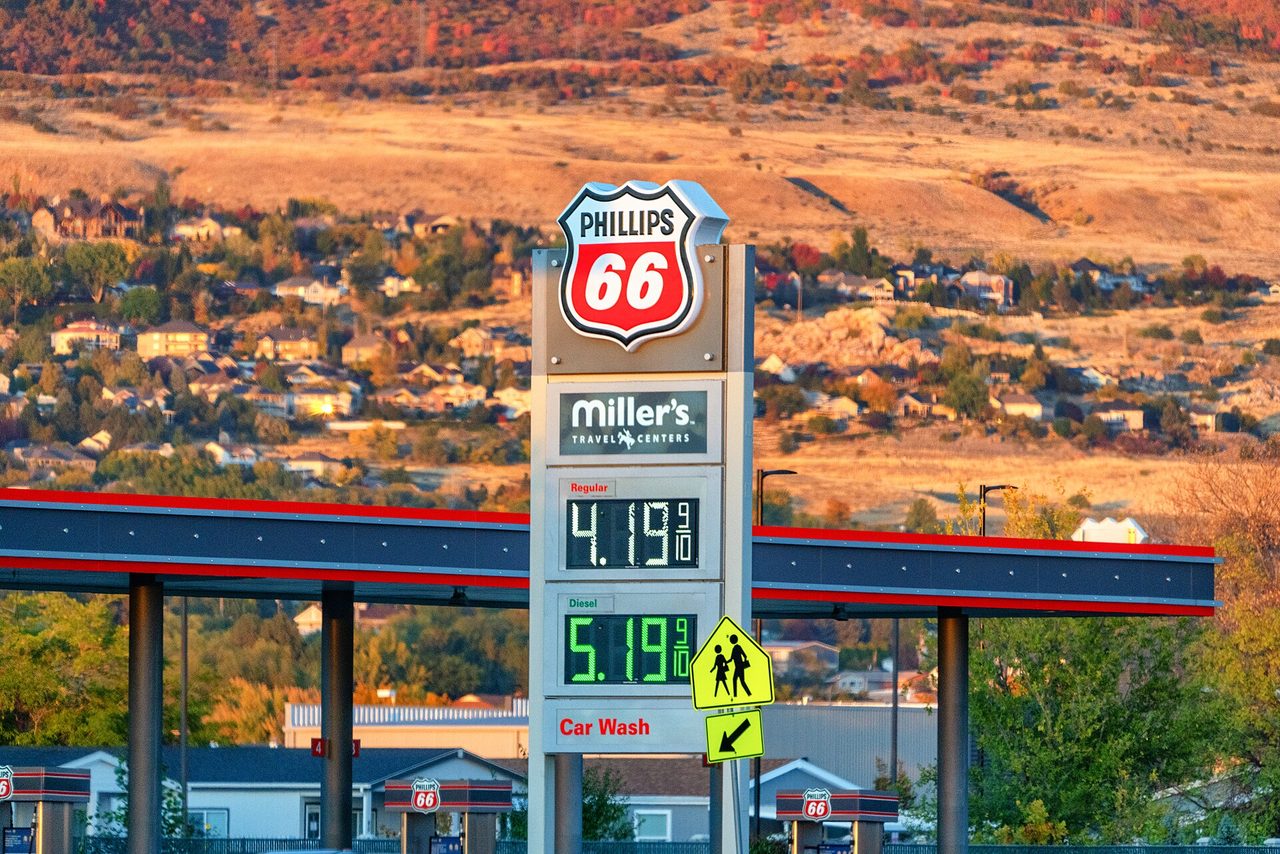
Photo: Tony Webster / CC BY 2.0 · via Wikimedia Commons
Half the Inflation, Just as Much Anger
September CPI hit 3.7%, gasoline jumped 9.1% in a month
U.S. consumer prices accelerated in September, the Bureau of Labor Statistics reported in mid-October. The consumer price index rose 3.7 percent from a year earlier, up from 3.4 percent in August, and 0.6 percent on the month. Gasoline surged 9.1 percent in September alone, accounting for more than half of the monthly increase. Core inflation, excluding food and energy, reached 2.6 percent year on year, up from 2.4 percent, with a 0.3 percent monthly gain — a pace that, annualized, runs well above the Federal Reserve's 2 percent target.
Price growth is half the Biden pace, but voters do not care
An analysis published by Yahoo Finance found prices in Trump's second term rising only about half as fast as during his predecessor's four years, when the overall price level climbed more than 20 percent and inflation peaked at 9.1 percent in June 2022. Yet Trump carries a 72 percent disapproval rating on the issue. Voters appear to judge presidents not on comparisons with the past but on the gap between what they pay and what they were promised.
The White House claims a boom; opponents cite broken promises
Trump campaigned in 2024 on ending inflation and delivering $2 gasoline, declaring at rally after rally that he would "end inflation" with voters' support. Now he insists the nation is "doing better now than ever before" and cites figures such as "1.7 inflation in the last three months," numbers the White House has not explained and CNN's fact-checkers call fictional. Democrats, led by House Budget Committee ranking member Brendan Boyle, say Trump has done "the exact opposite" of his day-one pledge, driving up costs "with his disastrous war in Iran and reckless tariff taxes." Republicans counter by pointing to the 9.1 percent peak of June 2022 and blaming Democratic spending.
War and tariffs stacked on top of each other
Reporting across outlets traces the current squeeze to two stacked shocks. Inflation had been slowing until April 2025, when Trump announced sweeping tariffs and prices began climbing again; the Iran war then sent energy prices spiking, with September recording the largest monthly energy jump since March, the war's first full month. A Chatham House review of polling found 75 percent of Americans worried about affording groceries, with 83 percent of the worried saying tariffs raised prices, and three in four voters saying tariffs will influence their vote. Beef prices fell 1 percent in September, partly attributed to a temporary tariff reprieve Trump announced in August — an inadvertent demonstration of how tariffs feed through to shelves.
A $100 fill-up while paychecks fall behind
The Associated Press reports that filling a basic Ford F-150 now costs about $100, up $30 from a year ago. Diesel hit a record $6.53 a gallon last month, and average diesel prices under Trump already exceed the Biden-era figure by about 6 percent. Headline gasoline looks flat — $3.449 a gallon since January 20, 2025 versus a $3.455 average across Biden's four years — but for the past 12 months consumer prices have risen faster than paychecks, leaving the average family poorer. High borrowing costs on top of persistent inflation have made homes and cars harder to afford.
Midterms on November 3 could make Republicans pay
With the November 3 midterms days away, the polls are grim for the party that controls the White House and Congress. A New York Times/Siena poll found 73 percent of likely voters disapprove of Trump's handling of gas prices. An AP-NORC poll of 2,140 adults, fielded September 24–28, found 65 percent blame Trump's policies for stubborn inflation, with only 26 percent approving his economic stewardship overall and 17 percent his handling of the cost of living. A Reuters/Ipsos survey of 4,506 adults put the blame share at 78 percent, with 68 percent dissatisfied with his inflation record. Roughly six in ten say the economy is worse since he returned to office. Just as Biden learned, voters experiencing rising prices tend to punish whoever holds power — whatever the historical comparison says.
Sources
- Yahoo Finance: Inflation under Trump is only about half the rate under Biden. Voters are still just as mad.
- PBS: Inflation worsened last month to 3.7% as midterm elections near
- The Guardian: US inflation rose to 3.7% in September, figures show
- The Hill: These prices are squeezing Americans as midterm elections near
- Associated Press: FACT FOCUS: When it comes to Trump's economy, these are the numbers that matter before Nov. 3