Congo's Ebola Outbreak Tops 10,000 Cases, Testing Africa's Defenses
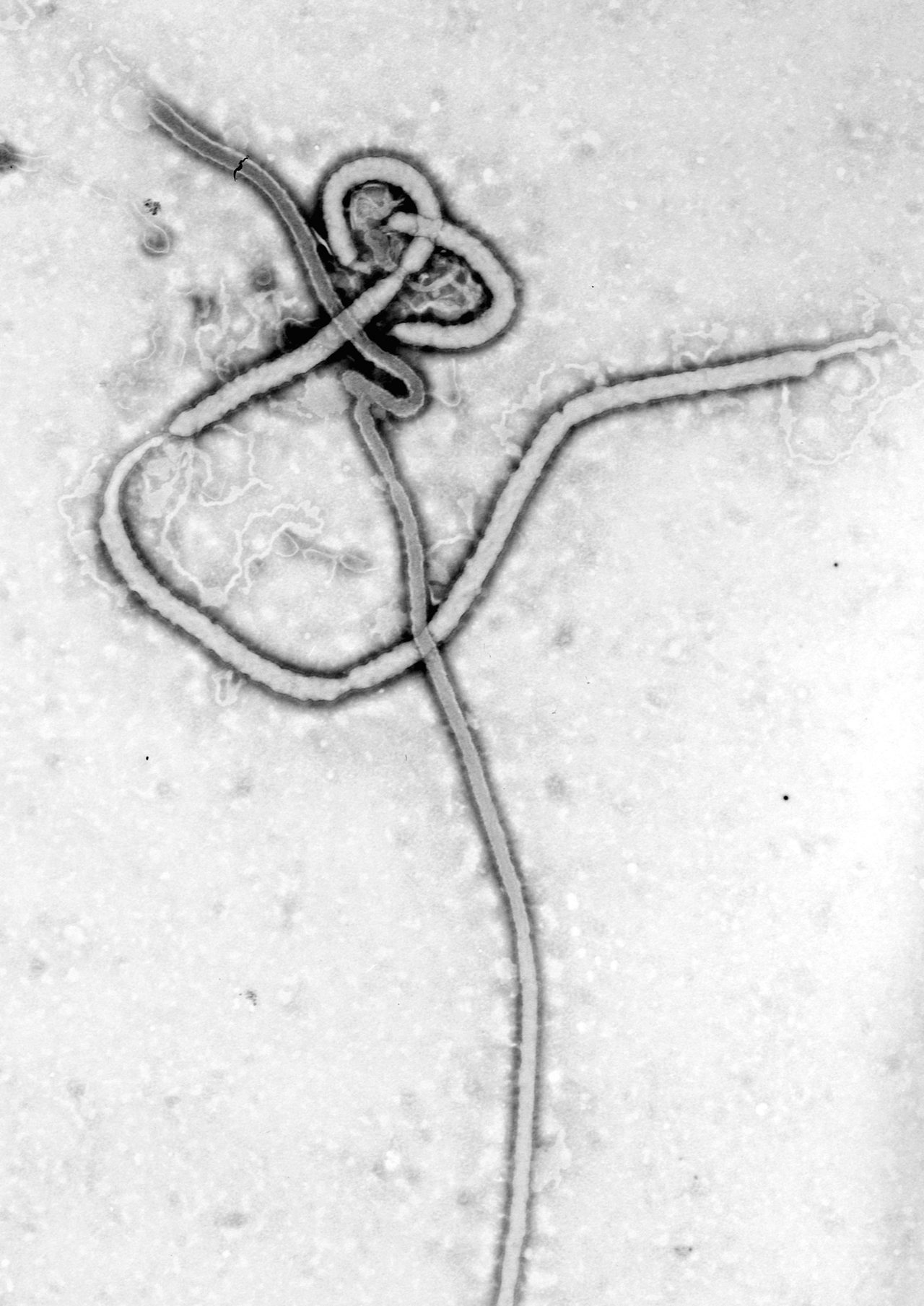
Photo: CDC/ Dr. Frederick A. Murphy / Public domain · via Wikimedia Commons
Congo's Ebola Outbreak Tops 10,000 Cases, Testing Africa's Defenses
A Grim Milestone: 10,060 Cases, Nearly Half Dead
The Democratic Republic of the Congo has passed a bleak threshold: 10,060 confirmed Ebola cases and 4,887 deaths, according to the national public health institute's situation report released on Tuesday. With a fatality rate of 48.6 percent, nearly one in two confirmed patients has died. The outbreak, declared on May 15, is now the largest and deadliest in Congolese history, surpassing the 2018-2020 epidemic. Globally it ranks as the second-largest and second-deadliest Ebola outbreak on record, behind only the 2014-2016 West African epidemic that infected more than 28,000 people and killed over 11,000 across Guinea, Liberia and Sierra Leone. Africa CDC calls it the fastest-growing Ebola outbreak ever documented.
From Three Health Zones to Sixty-Six in Five Months
When the outbreak was declared, cases were confined to just three health zones. Five months later, the virus has reached 66 health zones across eight provinces. Ituri province in the northeast remains the epicenter, accounting for 71.7 percent of all confirmed cases, with neighboring North Kivu also heavily affected. This is the country's 17th Ebola outbreak. Health authorities report 2,684 recoveries to date. A moment of relief came this week in Mongbwalu, Ituri, where health workers in full protective gear danced as the last two patients were discharged from a treatment center, a scene captured in a video widely shared online.
A Rare Strain With No Approved Shot, in a War Zone
The culprit is the Bundibugyo virus, a rare Ebola species for which no vaccine or specific treatment is approved, complicating a response built around tools designed for the Zaire strain. Geography and politics compound the difficulty: parts of North Kivu are held by the M23 militia, roads are poor, and years of conflict have bred mistrust and misinformation. Some residents avoid reporting symptoms or accepting care, and response teams have faced hostility. There are tentative signs of progress: Jean-Jacques Muyembe-Tamfum, head of the DRC's National Institute of Biomedical Research, said new cases and test positivity rates are declining in Ituri.
Borders Breached: Uganda, Kenya, Nigeria and Beyond
The virus has crossed frontiers. Uganda recorded 20 cases and two deaths before being declared Ebola-free in August; returning Ugandans with DRC travel history face a mandatory 21-day quarantine at their own cost. Kenya logged nine cases and two deaths in October. Nigeria confirmed a case in Abuja on October 20: the 42-year-old wife of a Swiss embassy employee who had traveled in Uganda, was medically evacuated to Switzerland, and left 53 traced contacts behind. The U.S. CDC also lists one case in France linked to the outbreak. The World Health Organization determined as early as May 17 that the epidemic constitutes a public health emergency of international concern, and neighboring states have tightened border screening and surveillance.
A Vaccine Trial Named Hope Begins in Bunia
On October 23, the WHO announced the start of the Tumaini — Swahili for "hope" — Phase 2/3 clinical trial in Bunia, the capital of Ituri, where the first contacts received doses of the Ervebo vaccine. It is the first human vaccine trial targeting the Bundibugyo strain. Whether enrollment can scale up and whether cross-border chains of transmission can be cut in the coming weeks will decide if the fastest-spreading Ebola outbreak in history also becomes its most devastating. For Africa, Congo's front line is everyone's front line.
Sources
- CNBC Africa: Congo’s Ebola cases surpass 10,000 as fears grow of wider African spread
- Al Jazeera: Ebola cases in DR Congo surpass 10,000 in fastest-growing outbreak
- NBC News: Congo’s Ebola outbreak tops 10,000 cases as authorities race to slow the spread in African countries
- DW: DR Congo Ebola outbreak: Cases top 10,000
- Xinhua: DR Congo Ebola cases top 10,000 as outbreak tests Africa's defenses