DoorDash to Swallow Instacart in $17 Billion Grocery-Delivery Power Play
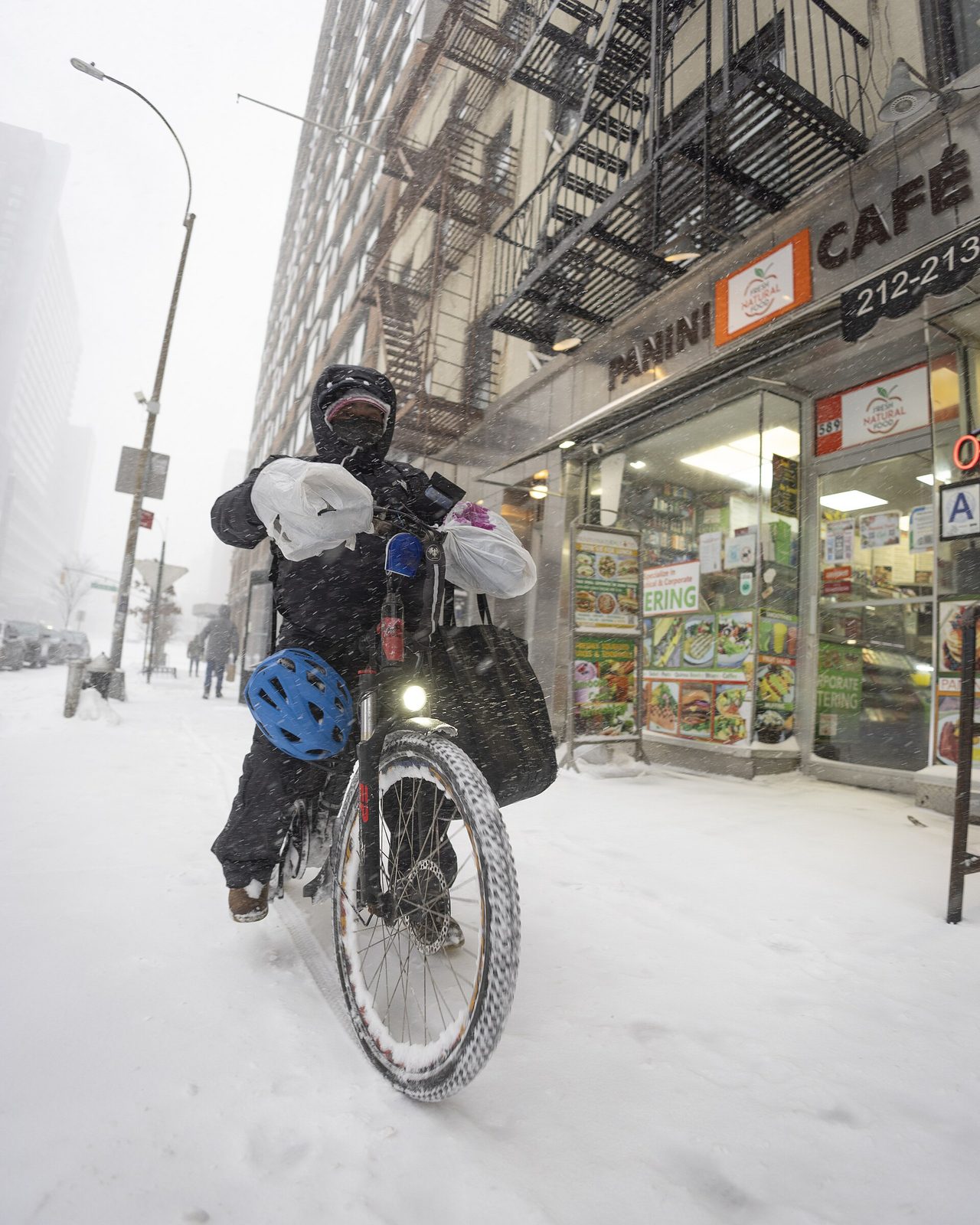
Photo: Tessa Bury / CC BY 4.0 · via Wikimedia Commons
DoorDash to Swallow Instacart in $17 Billion Grocery-Delivery Power Play DoorDash has reached a definitive agreement to buy grocery-delivery rival Instacart for about $17 billion in equity value, uniting two of America's biggest delivery platforms in a bet that groceries are the next great online battleground.
A $65-a-Share Cash-and-Stock Offer
Under the deal announced on October 29, Instacart shareholders get $65.00 per share, a 26% premium to Instacart's closing price on October 22, the last trading day before deal chatter surfaced. At least 75% of the total consideration is cash; holders can elect cash, DoorDash stock, or a mix, with stock capped at 25% of the total and subject to proration. Instacart's board has unanimously approved the agreement, and stockholders holding about 19% of its shares have agreed to vote for it.
Marrying Grocery Know-How to Delivery Muscle
The official logic is complementarity. DoorDash co-founder and CEO Tony Xu said the combination pairs Instacart's grocery expertise with DoorDash's logistics and delivery strength. Grocery, he said, is one of the hardest categories to get right online: picking a ripe avocado, finding a substitute a shopper would actually choose, landing the ice cream before it melts. Together, the companies say, stores of every size get better tools to sell online.
A Pact Forged Against Walmart and Amazon
Analysts read the deal as a defensive alliance against the two elephants in grocery: Walmart and Amazon. Data from Consumer Edge show why Instacart wanted shelter: over five years its share of spending on U.S. delivery platforms fell from 26% to 18%, while DoorDash's climbed from 44% to 59% and Uber Eats held steady just under 20%. Sale talks had been swirling for weeks, with Uber also kicking Instacart's tires before walking away.
Shoppers Gain Stores While Workers Brace
For consumers, the pitch is more choice and one bill: Instacart shoppers would get access to more than 50,000 additional DoorDash-covered stores on top of the nearly 100,000 already on Instacart, and DashPass and Instacart+ members would pay a single membership fee instead of two. Grocers could work with either platform, and the companies say the Instacart brand, app, and enterprise technology products survive, with no forced grocery exclusivity. For couriers the mood is darker: the two platforms rely on a combined workforce of roughly 9 million, and critics warn a merged giant controlling nearly 60% of third-party grocery delivery could squeeze their pay.
Regulators Get the Final Say in 2027
Closing is not expected until the end of 2027 or the first half of 2028, pending Instacart stockholder approval, expiration of the Hart-Scott-Rodino antitrust waiting period, and clearances in Canada and Israel. Opposition is already organized: the American Economic Liberties Project is urging regulators to block the merger as data-driven abuse that bullies neighborhood stores and drains consumer wallets. With DoorDash fresh off a $131.5 million settlement with New York City over driver tips, scrutiny will be intense. The $17 billion handshake is signed, but the wedding needs regulators' blessing.
Sources
- NBC News: Doordash to acquire Instacart for $17 billion, creating delivery giant
- CNN: DoorDash is buying Instacart for $17 billion
- Quartz: DoorDash agreed to buy Instacart for about $17 billion in cash and stock
- The Verge: DoorDash is acquiring Instacart for $17 billion
- U.S. News: DoorDash to Buy Instacart for $17 Billion in Big Consolidation for Grocery Delivery