K Street Braces for a Blue Wave as Companies Hire Democratic Insiders
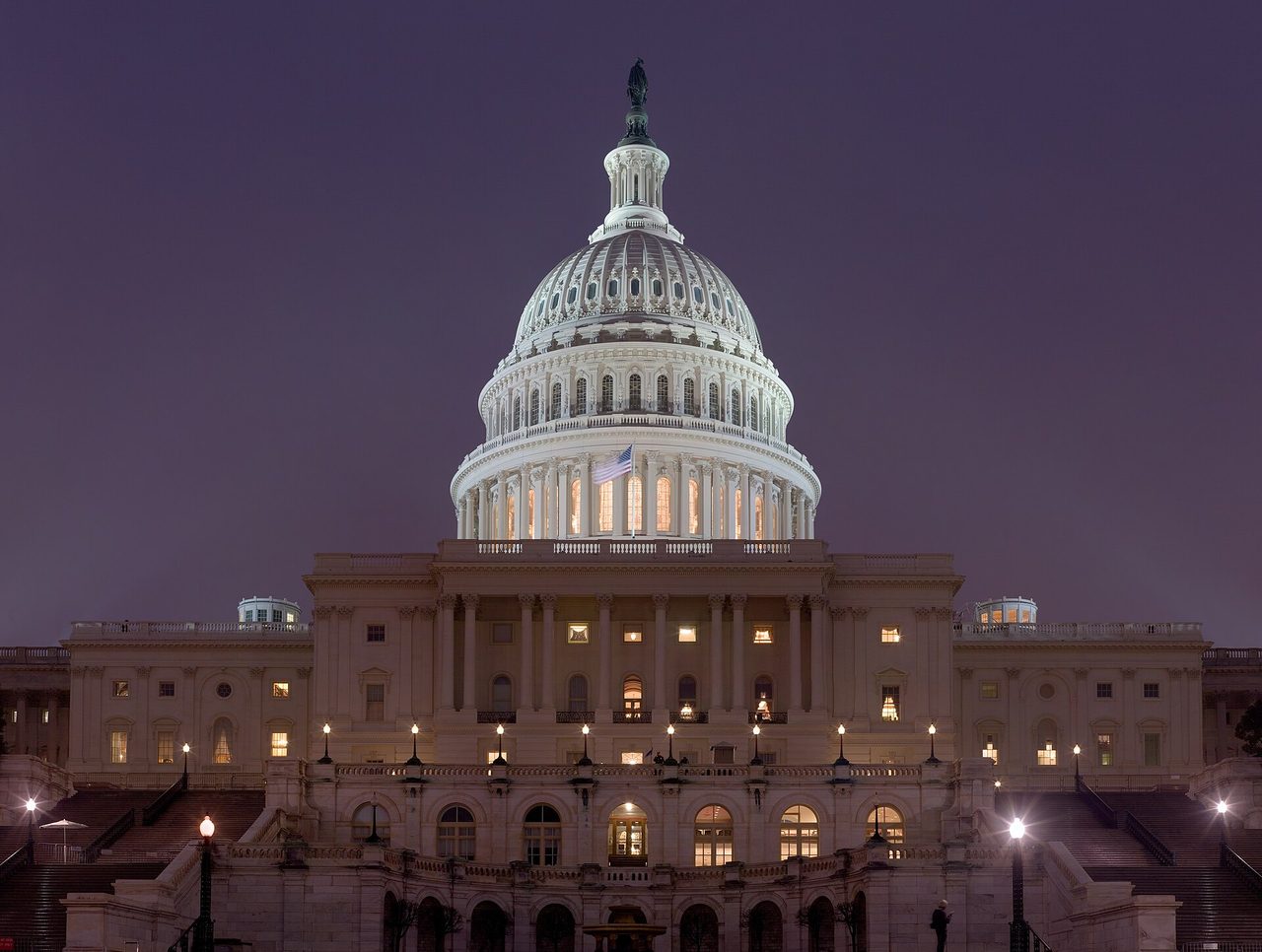
Photo: Diliff / Public domain · via Wikimedia Commons
K Street Braces for a Blue Wave as Companies Hire Democratic Insiders
Companies buy oversight insurance before the midterms
With days to go before the U.S. midterm elections, Washington's lobbying corridor is seeing a wave of defensive hiring. According to Politico, technology, crypto and industrial firms fearing a Democratic takeover of the House or Senate are signing Democratic-connected lobbyists and lawyers who specialize in congressional investigations, rehearsing for hearings and reviewing written communications with the White House.
Big Tech moves first after donation letters land
Bloomberg reports that Palantir, Apple and Microsoft have hired Democratic insiders including former Senator Mark Begich and mega-lobbyist Steve Elmendorf. IBTimes UK reports that Amazon, Apple, Comcast, Meta, Microsoft and Nvidia already received letters from Democratic lawmakers seeking information about donations to the White House ballroom project, a classic prelude to formal investigations. Executives are being coached on how to answer questions about their dealings with the Trump administration.
Democrats publish target lists in advance
Democrats are open about their plans. Party leaders have named Trump-linked crypto firms and venture funds as likely early targets, while aides have compiled dossiers covering Tesla, SpaceX, OpenAI, Amazon and Apple. The recurring themes are government contracts, technology used in immigration enforcement, tariff carve-outs, and whether donations to inaugural events or presidential projects bought regulatory favors.
Lobbying revenue hits records on contingency planning
Uncertainty is lucrative for K Street. Bloomberg Government's analysis puts Ballard Partners' third-quarter lobbying fees at $34.9 million, its sixth straight quarter at No. 1, up nearly 40 percent from a year earlier and up 5 percent from the second quarter. Punchbowl News reports a nearly identical figure of about $34.8 million. Firms have added oversight-focused staff and launched or expanded congressional-investigations practices in recent months.
Crypto spends on elections while lobbying Congress
Crypto is the most aggressive player. U.S. News, citing Reuters, reports the industry has spent roughly $176 million across more than 100 midterm races to build a bipartisan network of allies. BizPac Review reports at least $206 million flowed through crypto super PACs and hybrid PACs backing pro-crypto candidates, especially supporters of the Clarity Act. The strategy is to cultivate relationships that survive any change in administration.
Three factors will shape post-election scrutiny
Three things decide what happens next: whether Democrats flip one or both chambers and gain subpoena power, which members claim gavels and how they rank corporate targets, and whether companies can reduce exposure through disclosure, internal reviews and early engagement. For Chinese Americans working in tech or holding crypto assets, the oversight agenda could reshape data, antitrust and digital-asset rules within months.
Sources
- Politico: Fear of a Democrat takeover has tech, crypto and industrial firms rushing to K Street
- Bloomberg: Palantir, Apple and Microsoft Brace for Democrats to Go on Offensive
- Bloomberg Government: Post-Midterm Elections Planning Keeps Lobbying Revenues Red Hot
- Punchbowl News: The Punchbowl News lobbying top 10
- U.S. News: Crypto Blitzes Midterms With $176 Million to Support Allies as It Prepares for Post-Trump Era