Washington Tells Allies to Brace for Post-Election Iran Strikes
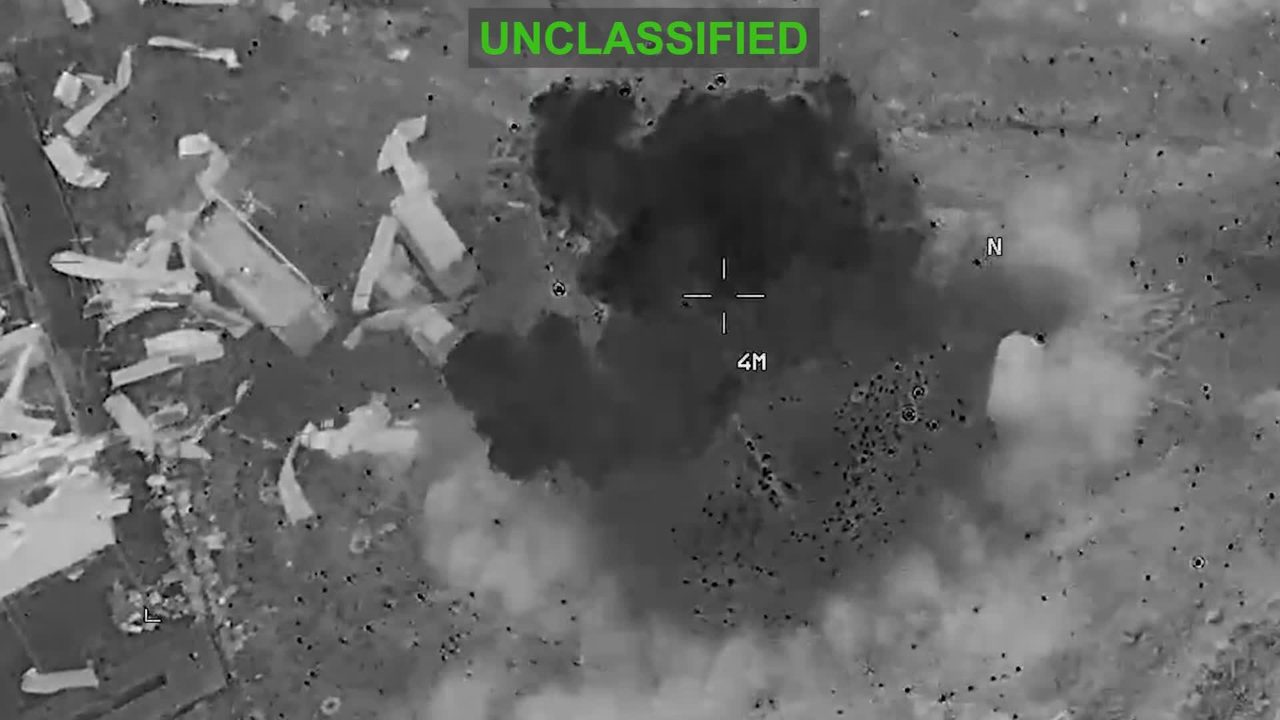
Photo: [null Courtesy] / Public domain · via Wikimedia Commons
Washington Tells Allies to Brace for Post-Election Iran Strikes
U.S. Gives Allies Early Warning of Renewed Strikes
U.S. officials have told several Middle East countries and regional allies to prepare for potential renewed military action against Iran after the midterm elections, and for the possibility that Iran retaliates against them. The Associated Press, citing two diplomats briefed on the matter who spoke on condition of anonymity, reports the warnings were delivered through diplomatic and military channels. The Wall Street Journal earlier reported that Gulf nations were briefed to prepare for a potential escalation by the United States.
No Final Decision, but Trump Leans Toward Action After Vote
The official line is that President Donald Trump has not made a final decision on new strikes, but he has repeatedly said he is weighing military action once the November 3 elections are over. Xinhua, citing the Journal, reports Trump leans toward a major attack that could target Iranian infrastructure and nuclear sites. Israel has drawn up plans and identified targets for a possible new attack, according to the same reporting. Timing the decision for after the vote is widely read as an effort to avoid roiling the elections.
Munitions, Bombers and a Patriot Battery Move Into Place
The warnings coincide with visible preparations for what officials describe as a short, intense campaign. The Jerusalem Post reports U.S. forces in the region are replenishing munitions stockpiles while bombers and fighter jets are readied for possible strikes, and an additional Patriot air-defense battery is being sent to Israel. Ynetnews similarly describes messages urging Gulf states to prepare for a brief but intense operation, alongside steps to reinforce regional missile defenses and move personnel away from exposed bases.
Eight Months In, the Bill Reaches 47.1 Billion Dollars
The war is now in its eighth month and its cost keeps climbing. CBS News, citing a U.S. Central Command estimate provided to lawmakers, reports the war has cost at least 47.1 billion dollars through mid-October, up from the 37.5-billion-dollar estimate Defense Secretary Pete Hegseth gave in July. Replacing expended munitions accounts for around 29 billion dollars, replacing lost equipment for 6.1 billion, and support costs such as personnel for about 11.9 billion. Middle East Eye notes that bombs, missiles and other ammunition make up over 60 percent of the total.
Gulf Allies Caught Between Protection and Retaliation
The Gulf allies face the sharpest dilemma: they rely on U.S. protection and missile defense, yet fear their bases and infrastructure would be first in line for Iranian retaliation. Analysts warn Tehran retains a sizable missile arsenal and has used the lull to harden defenses and draft new retaliation plans. What comes next turns on three things: the midterm results, whether Trump signs a strike order after the vote, and whether channels such as the Doha talks can restart. Until election day, the region stays on high alert.
Sources
- U.S. News: US Warns Allies to Prepare for Possible Iran Strikes, Retaliation After Elections, AP Sources Say
- Xinhua: U.S. tells Gulf countries to prepare for possible strike on Iran after midterms: WSJ
- Middle East Eye: US warns Gulf of intense strikes on Iran after midterms: Report
- CBS News: Iran war has cost $47 billion, U.S. military says
- The Jerusalem Post: US deploys Patriot system in Israel amid preparations for Iran strikes