Nvidia Chief Seen as Target of Alleged Chinese Spy Operation
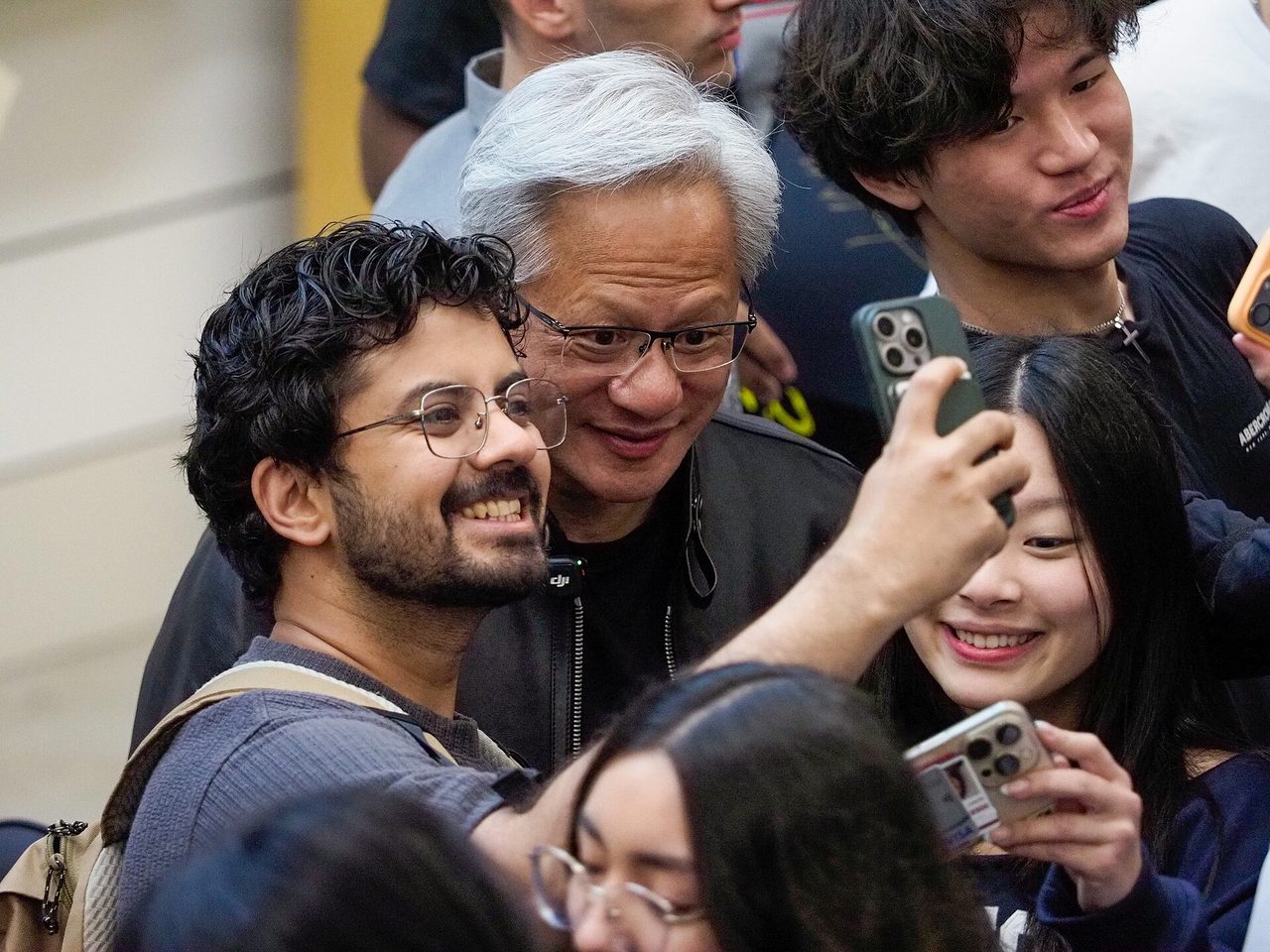
Photo: Anderseidesvik / CC BY-SA 4.0 · via Wikimedia Commons
A Spy Scare Reaches Silicon Valley's Inner Circle
A CEO, Not Just His Chips, Becomes the Target
The New York Times reported on Oct. 29 that U.S. officials believe a Chinese businesswoman with close access to Nvidia chief executive Jensen Huang acted as an asset for Beijing, passing along intelligence with Huang himself as the focal point. The reported goal was access to advanced AI chips. U.S. officials also said President Trump was briefed on the matter in 2025. The account turns an export-control dispute into a personal counterintelligence drama around one of the most influential executives in technology.
From Export Controls to a Personal Relationship
According to accounts relayed by Crypto Briefing and Newsquawk, investigators first suspected the woman of helping Chinese buyers evade export controls on advanced AI chips, then concluded more broadly that she was supplying information to Beijing. Electronic surveillance picked up her contact with an unnamed American, who was identified as Huang through a formal identity-revealing procedure. Officials described her as having direct access to the Nvidia chief.
The Woman at the Center: An Executive Named Alice Huang
Relayed reporting identifies the woman as Alice Huang, also reported under the Chinese name Huang Le, an executive connected to a company called Megaspeed. Reporting in Chinese carried by 壹蘋新聞網 describes Megaspeed as an Nvidia customer. No public account alleges wrongdoing by Jensen Huang. The claim is that he was cultivated as a source of access and information, not that he cooperated.
Nvidia Says It Was Routine Business Contact
An Nvidia spokesperson said Huang speaks with thousands of customer executives each year and that his interactions with the woman were unexceptional. The company said customers such as Megaspeed received ordinary commercial information, not sensitive trade secrets and nothing touching national security. Nvidia added that it trusts the U.S. government would notify the company if anyone posed a threat to American industry, implying it had received no such warning.
A Third Route After Smuggling and Middlemen
The case lands as Washington tightens AI chip export rules. Crypto Briefing frames the alleged operation as a third approach: after outright smuggling and diversion through intermediaries, targeting the people who know most and decide most about where chips go. ENMNews argues the episode shows how far Beijing will go to secure technology, talent and contacts inside American business. If substantiated, it could chill executive-level exchanges and complicate legitimate chip commerce.
Briefed in 2025, Silent Since: What Comes Next
The sharpest question is why a 2025 presidential briefing produced no visible action or warning. What to watch: whether U.S. agencies release evidence or bring charges, how the White House explains its handling after the briefing, and whether Nvidia tightens vetting of customer contacts and executive meetings. For an industry built on global relationships, the boundary between networking and national security just moved.
Sources
- Newsquawk: Nvidia (NVDA) CEO Huang was the target of a Chinese spy plot, NY Times reports; US officials believed that…
- Crypto Briefing: Nvidia CEO Jensen Huang targeted in Chinese espionage plot, NY Times reports
- ENMNews: Huang ties pulled into Beijing spy scandal
- 《紐時》獨家:與黃仁勳密切往來女主管遭美認定替中蒐資訊 川普知情未行動
- The Tech Street Now: US officials believe Megaspeed executive Alice Huang is a Chinese asset who maintained a close relationship with Jensen Huang to pass intelligence to Beijing