A China Critic Storms Taipei's Blue Fortress
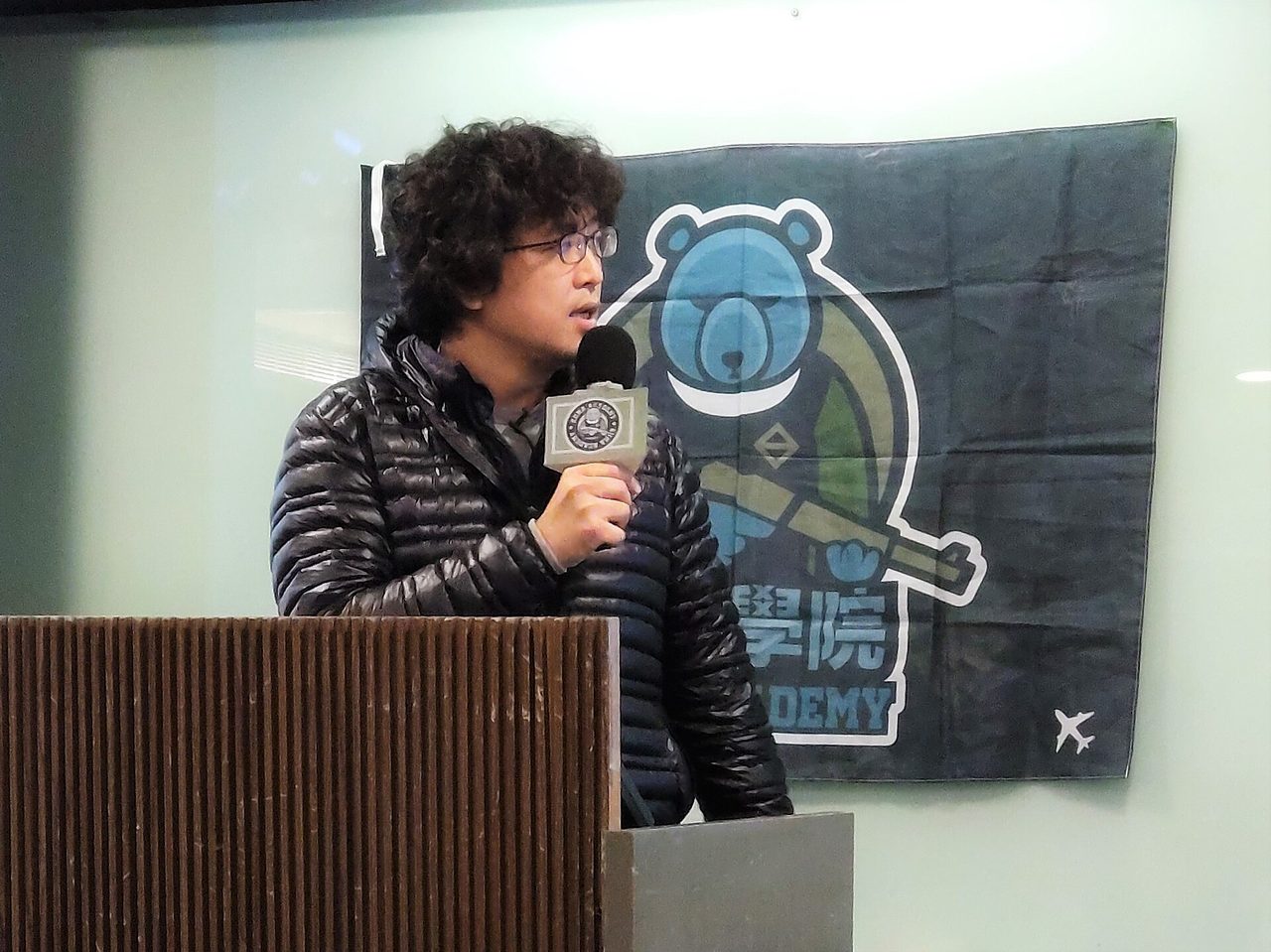
Photo: S099001 / CC BY 4.0 · via Wikimedia Commons
A China Critic Storms Taipei's Blue Fortress
A Blue-Leaning Poll Puts the Challenger on Top
Taipei's mayoral race, once seen as safe for the opposition, has turned into Taiwan's most-watched contest a month before election day on 28 November. A United Daily News poll released on 28 October put Democratic Progressive Party legislator Puma Shen at 45% support, four points ahead of incumbent Mayor Chiang Wan-an of the Kuomintang at 41%, within the margin of error. The result matters because the paper is pan-blue, and because Taipei has long been dominated by the KMT. Six candidates are running, but the four minor candidates together poll at less than 1%, while about 13% of voters remain undecided.
Both Camps Downplay Numbers While Expectation Gap Persists
Neither camp claims victory yet. Chiang said he takes every poll as reference and will rely on his record. Shen said polls are on paper while victory is decided by ballots. The same United Daily News survey found 48% of voters still expect Chiang to win, against 35% who expect Shen to win. Other polls point in different directions: an ETtoday survey put Chiang at 48.6% and Shen at 41.1%, while an Oct. 22 survey reported by cable outlets put Shen at 42.8% and Chiang at 39.0%, a 3.8-point gap.
From 28 Points Behind to the Mamdani of Taipei
Shen's rise has been steep. Reports tracing the race put Chiang ahead by about 28% in May, with the gap shrinking to under 2% by September. A poll by the Taipei Xinmin Cross-Strait Research Association (Xinmin Association) released on 20 October showed Shen at 50.3%, up 9.8 points from 40.5% a month earlier, while Chiang fell 8.4 points from 41.7% to 33.3%, turning a 1.2-point deficit into a 17-point lead. Adjusted for turnout, the association projected Shen at 49.2% to 52.9% of the vote and Chiang at 46.9% to 49.9%. A cross-tabulation in a 震传媒 poll on 22 October showed 54.4% of voters who backed Huang Shan-shan in 2022 moving to Shen, and 16.2% of Chiang's 2022 voters defecting. Shen, who holds a doctorate in criminology, law and society from the University of California, Irvine and teaches at National Taipei University, proposed 61 bills in two years as legislator, about one-third related to national security, and co-founded Kuma Academy to promote information-literacy and civil defense. His campaign this month launched a Heart Policy Island platform with 14 major themes and 94 policy items.
Beijing Sanctions and Warnings Hang Over the Race
Beijing has weighed in directly. Shen was placed on the Taiwan Affairs Office list of diehard Taiwan independence separatists in 2024 and became subject to a secession investigation. On 14 October, office spokesperson Chen Binhua accused Shen's father Shen Tu-cheng of using another company name to keep doing business with mainland firms after sanctions. Taiwan's Mainland Affairs Council called the sanctions an attempt to pressure society and interfere in democratic elections. After entertainer Kevin Tsai issued a statement disavowing Taiwan independence, Shen said the timing appeared directed by outside forces, while Chiang said political views should not determine an entertainer's fate. Interest in the race is high: 79% of Taipei voters say they care about it, including 91% of Shen supporters and 77% of Chiang supporters.
A Mayoral Rematch With Presidential Stakes
The implications go beyond city hall. Taipei's mayoralty is a traditional springboard to the presidency. Chiang, who shares his surname with Chiang Kai-shek, is widely discussed as a KMT presidential contender for 2028 or 2032. A loss would cloud that path, while a Shen upset would strengthen President Lai Ching-te and the DPP a year after recall battles. Chiang's city administration approval has slipped under opposition attacks, according to analysts. His campaign headquarters rally on 26 October drew more than 50,000 supporters, according to organizers, while Shen used the same weekend to promote a water-resources plan. With 79% of voters saying life in Taipei is going well and about half satisfied with Chiang's performance, yet voting intention closely split, turnout will likely decide whether the decades-old grip holds.
Sources
- Bloomberg: China Critic Challenges Opposition’s Decades-Old Grip in Taipei
- Taipei Times: DPP’s Shen edges KMT’s Chiang in Taipei survey
- The Straits Times: Can KMT’s Chiang Wan-an rally supporters in tight mayor race to defend his Taipei seat?
- Forbes: Puma Shen’s Surge In Taiwan Recalls Zohran Mamdani’s Rise In NY
- Focus Taiwan: Chiang, Shen speak out after entertainer's 'Taiwan independence' statement - Focus Taiwan