Yunus Was Picked Two Days Before Hasina Fell, Ex-Aide Says
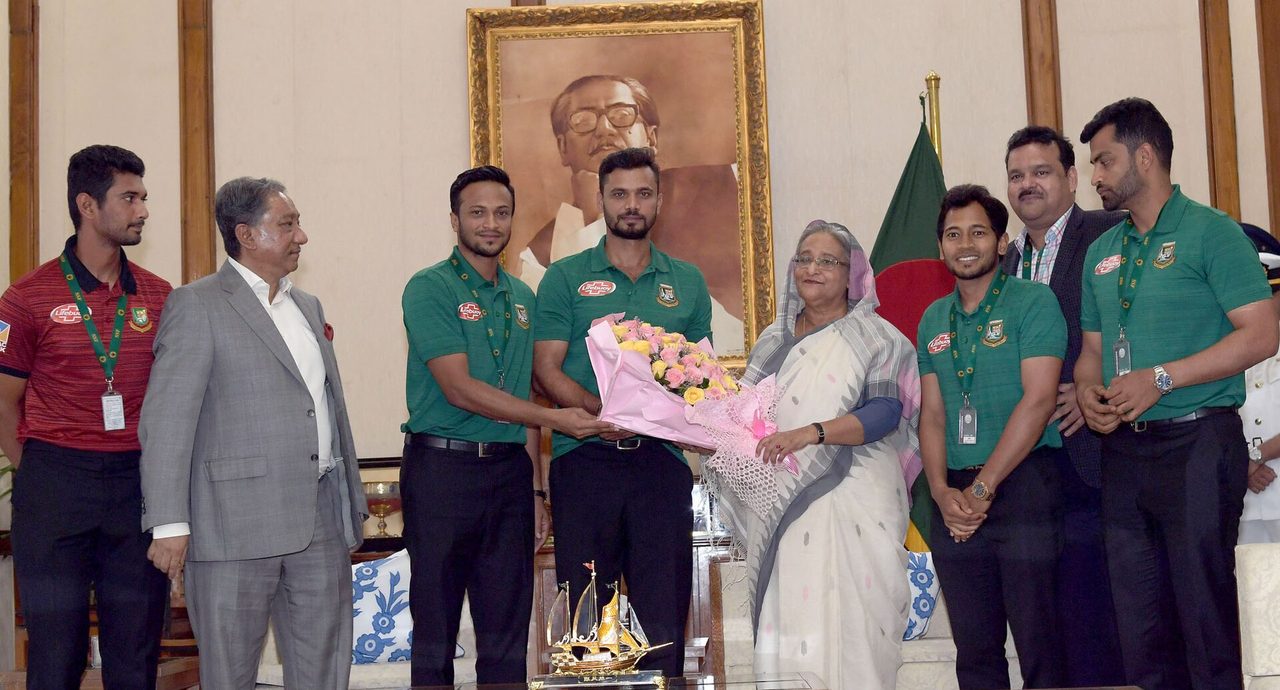
Photo: Press Information Department / Public domain · via Wikimedia Commons
Yunus Was Picked Two Days Before Hasina Fell, Ex-Aide Says
An aide's Facebook post rewrites the handover story
More than two years after Sheikh Hasina fled Dhaka on August 5, 2024, a former insider has offered a striking new version of how Muhammad Yunus came to power. Shafiqul Alam, who served for one and a half years as press secretary to Yunus, wrote in a Facebook post on October 28 that student leaders had reached out to the Nobel laureate to head an interim government two days before Hasina's ouster. The post suggests Yunus's arrival was arranged in advance, not a spontaneous choice made after Hasina's fall.
A fact-check editor became the secret bridge
According to Alam, the student leaders needed "a trusted bridge-builder" to contact Yunus about leading a post-Hasina government, and Qadaruddin Shishir stepped into that role. Shishir was then the editor of the Agence France-Presse fact-check team in Dhaka. Alam, at the time the AFP bureau head in Dhaka, wrote that Shishir "managed the high-stakes operation in complete secrecy" from a desk just a yard away from his own, while also quietly gathering video evidence of what Alam called the regime's "cold-blooded murders."
Two days of secrecy under a feared security machine
Alam stressed how much risk the plotters ran. With Hasina still in power for two more days, her security apparatus -- which he described as notorious for mass killings and abductions -- "never caught a whisper of it." Had the plan been discovered, he wrote, Shishir and the entire AFP team would likely "have ended up in an Aynaghar," the secret detention facility known as the house of mirrors. The claim, if true, means the final 48 hours of Hasina's rule unfolded with her own fall already being organized under her nose.
The public timeline fits the secret one
The public record is consistent with Alam's account. After weeks of mass student protests in which hundreds were killed in clashes with police and Awami League youth wings, Hasina resigned and fled to India on August 5, 2024. On August 6, student leaders including Nahid Islam and Asif Mahmud publicly proposed Yunus as chief adviser of an interim government; both later served as advisers in his administration. On August 8, President Mohammed Shahabuddin swore Yunus in as chief adviser at the Bangabhaban presidential palace. Under Alam's version, the August 6 announcement merely made public a decision taken two days earlier.
Who is telling the story, and why it matters
The messenger is part of the story. Alam went from AFP's Dhaka bureau chief to Yunus's press secretary for a year and a half, and has just returned to journalism as editor of the new English daily The Daily Waadaa. He is therefore both an eyewitness to the secret contacts and a member of the government they produced. So far his account rests on a single Facebook post; neither Yunus nor the student leaders have publicly responded, and AFP has not commented. Readers should treat it as one insider's claim, not an established finding.
A bloody backdrop and a death sentence since
The context is grim. The 2024 protests grew from anger over government job quotas into a nationwide movement, met with a deadly crackdown. After taking power, the interim government disbanded Hasina's Awami League party under an anti-terror law and sought her extradition from India. In November 2025, the International Crimes Tribunal convicted Hasina of crimes against humanity in absentia and sentenced her to death for her role in the crackdown. A day before Alam's post, Hasina accused the Dhaka authorities of "mass arrests" and "torture" of her supporters.
What comes next in the fight over history
Alam's revelation reframes the 2024 upheaval from a spontaneous revolution into a pre-planned transfer, and that framing will itself become political ammunition. Critics of the interim government will cite it as proof that Yunus's rise was stage-managed; defenders will argue that lining up a credible successor while a violent crackdown was underway was simply prudent. Either way, the dispute over what happened in those final 48 hours is now back at the center of Bangladeshi politics.
Sources
- India Today: Bangladesh regime change: AFP journalist contacted Yunus even before Hasina's exit
- OpIndia: Muhammad Yunus was chosen to lead Bangladesh days before Sheikh Hasina's ouster, reveals his former propaganda chief
- Moneycontrol: Inside the final 48 hours of Sheikh Hasina's rule: How a journalist helped student leaders reach Muhammad Yunus- Moneycontrol.com
- The Daily Star: Shafiqul Alam returns to journalism, joins 'The Daily Waadaa' as editor