Nigeria's Deputy Senate President Pushes Back After Osinbajo's Gloomy Verdict
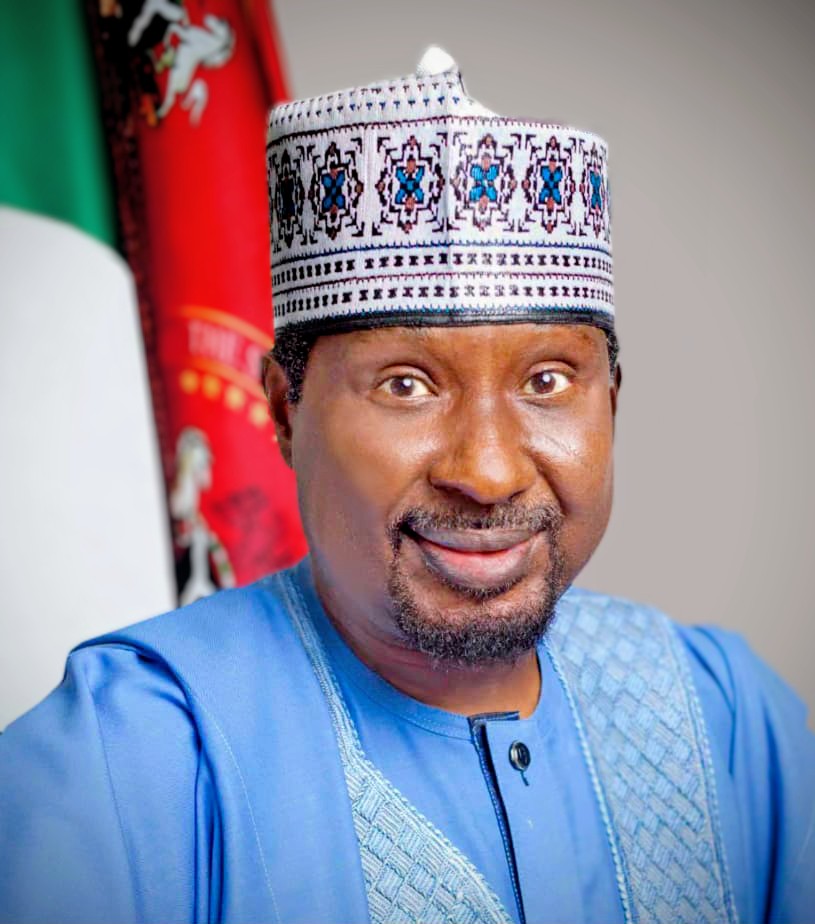
Photo: Okohamodu / CC BY 4.0 · via Wikimedia Commons
Nigeria's Deputy Senate President Pushes Back After Osinbajo's Gloomy Verdict
A Birthday Lecture Turns Into a National Debate
A public lecture in Yola has triggered an unusually open disagreement within Nigeria's ruling establishment. Former Vice-President Yemi Osinbajo used the event to warn that economic hardship is eroding faith in democracy. Deputy Senate President Barau Jibrin, who shared the stage as guest of honour, replied that Osinbajo painted too dark a picture and overlooked what the government says it is doing under President Bola Tinubu.
Osinbajo Cites Polls Showing Africans Losing Faith
Osinbajo spoke at a lecture marking Adamawa State Governor Ahmadu Umaru Fintiri's 59th birthday, held at the Banquet Hall of the Adamawa Government House. His theme was democracy and development and the need to rethink leadership. Citing Afrobarometer surveys, he said 64 per cent of Africans prefer democracy to other systems, yet only 38 per cent are satisfied with how democracy works in their countries. He added that 59 per cent rated their national economies as bad and 51 per cent said conditions had worsened. Rising living costs, unemployment, weak healthcare access and falling youth turnout, he warned, could hollow out trust in democratic institutions unless governments deliver visible improvements.
Birthday Stage Draws Governors and Heavyweights
The lecture drew unusual political weight for a birthday event. Alongside Fintiri and Osinbajo were Barau and the governors of Borno, Bauchi, Taraba, Plateau and Gombe states. Osinbajo praised Fintiri for turning a personal celebration into a forum on democratic development. In a line widely quoted by Nigerian media, he also said the worst democracy is better than the best military regime, because democracy gives even the poorest citizens freedoms and lawful association that military rule cannot offer.
Barau Blames Poor Communication, Points to Roads and Reforms
Barau called the lecture thought-provoking but said the gloomy survey findings partly reflected a communication gap between leaders and citizens. His central argument was that economic prosperity requires roads, water supply and other basic infrastructure, and that Tinubu's administration is building them across the country. It is a long journey, he said, but work is under way at federal and state levels in education, infrastructure and economic development. The problem, in his telling, is that governments have failed to explain those efforts properly.
Tinubu Declares Stabilisation Phase Over as Doubts Persist
Barau's defence fits a broader message from the presidency. Tinubu recently said three years of emergency correction had repaired the foundation and that the central task had shifted to shared prosperity, with lower living costs, more production and more jobs. The presidency pointed to a World Bank assessment reporting 4.2 per cent growth alongside higher revenues and stronger reserves. Yet sceptics, including a founding member of the ruling All Progressives Congress and labour leaders interviewed on Arise TV, say macro indicators have not yet translated into relief at markets, motor parks and clinics. They argue reforms should be judged by daily life rather than headlines.
What Comes Next Is Communication and Cost of Living
Neither side disputes the underlying strain. The disagreement is over diagnosis and credit: Osinbajo stresses people-centred governance and warns against complacency, while Barau stresses ongoing projects and better outreach. The test in the coming months will be concrete — whether infrastructure work accelerates, whether prices and joblessness ease, and whether citizens feel heard. Continued debate over the polls may itself force more direct engagement between Abuja and ordinary Nigerians.
Sources
- Vanguard: Deputy Senate President faults Osinbajo over alleged comments on gloomy economy, democracy
- The Guardian: Barau counters Osinbajo, insists Tinubu tackling Nigeria’s economic woes
- ThisDay: Deputy Senate President faults Osinbajo's gloomy assessment of Nigeria's economy
- Daily Post: Deputy Senate President, faults Osinbajo's gloomy assessment of Nigeria's economy
- Punch: Osinbajo: Worst democracy better than best military regime