Lagarde to Leave ECB in February, Nine Months Early, as Succession Race Begins
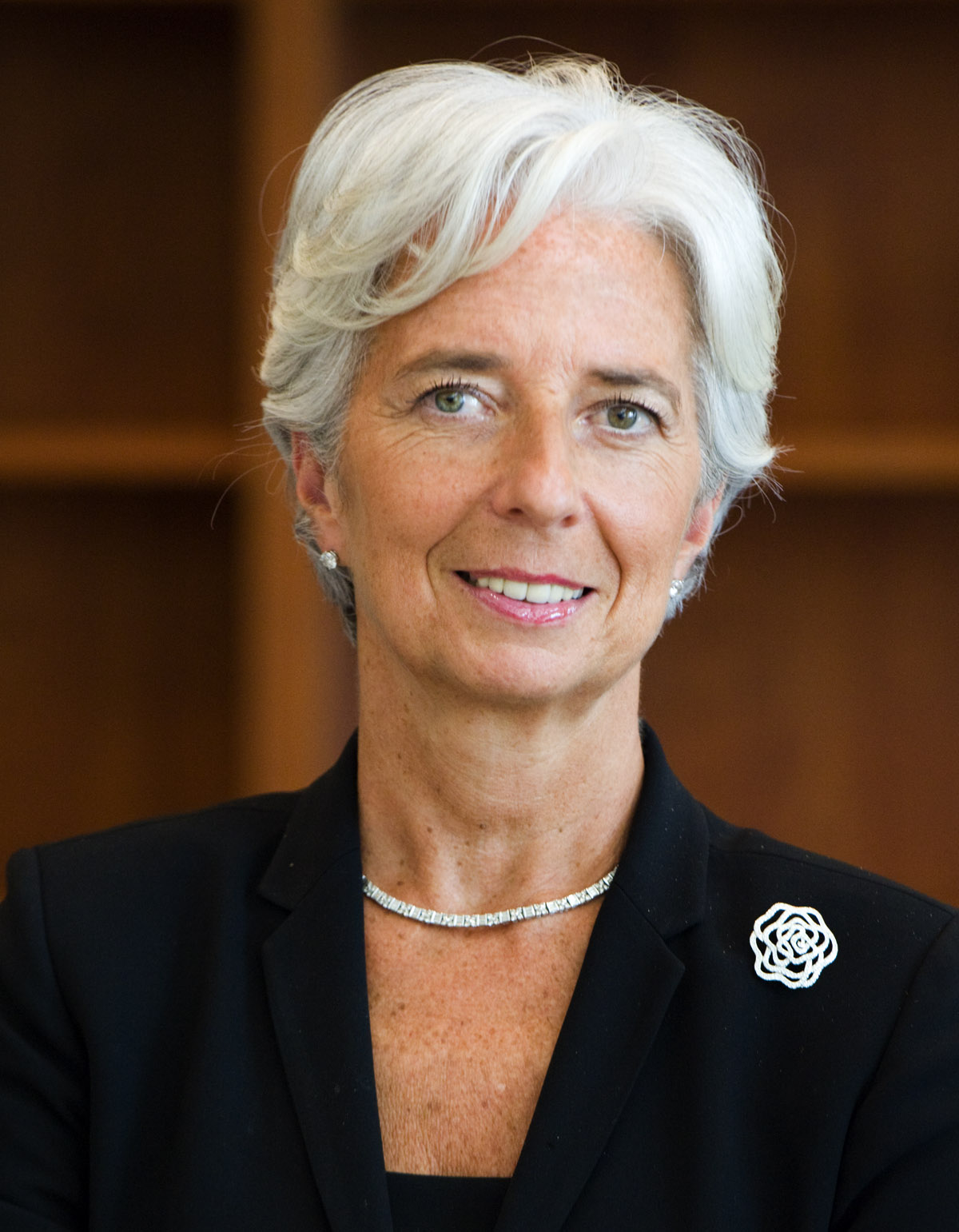
Photo: Français : Fonds monétaire international (identité du photographe non mentionnée) / Public domain · via Wikimedia Commons
Lagarde to Leave ECB in February, Nine Months Early, as Succession Race Begins
ECB says Lagarde will step down on 7 February 2027
European Central Bank President Christine Lagarde will step down on 7 February 2027, about nine months before her eight-year term was due to end in late October 2027, the bank announced on Thursday. Lagarde informed the Governing Council, which sets eurozone interest rates, and European Council President Antonio Costa of her decision, the ECB said in a statement. Euronews noted the announcement came as the ECB was about to unveil its latest rate decision.
Warm ovation, no reason given, succession process starts now
The ECB gave no reason for her early departure. Its statement said the Governing Council thanked Lagarde warmly and gave her a long standing ovation. Costa said that to ensure a smooth transition, the process to appoint her successor would start on Thursday and proceed without delay, with the appointment made by the European Council under Article 283 of the Treaty on the Functioning of the European Union.
Davos job rumored as French election sets the clock
Speculation about an early exit had mounted for months, with the World Economic Forum seen as a likely destination; Reuters earlier cited four people close to the Forum saying it could appoint Lagarde as early as November. The AP and others noted the February date lets outgoing French President Emmanuel Macron help choose her successor while still in office, ahead of next spring's French presidential election in which Marine Le Pen is tipped as a frontrunner.
Knot and Hernandez de Cos lead the field to replace her
Two frontrunners have emerged: former Dutch central bank chief Klaas Knot, who led De Nederlandsche Bank from 2011 to 2025, and former Bank of Spain governor Pablo Hernandez de Cos, now general manager of the Bank for International Settlements. A Bloomberg survey of economists, reported by El Mundo, favored de Cos by 12 votes to 9 for Knot, and both men have public backing from their national leaders.
EU leaders must name a new guardian of the euro before February
EU leaders must now agree on a successor before February 2027, putting coordination between Macron and German Chancellor Friedrich Merz at center stage. Lagarde, 70, replaced Mario Draghi in 2019 as the ECB's fourth president and its second from France. Whoever takes over will steer eurozone monetary policy through persistent inflation and high government borrowing costs.
Sources
- European Central Bank: ECB President Lagarde to step down on 7 February 2027
- Euronews: ECB President Christine Lagarde to step down next February, months before her mandate ends
- Bloomberg: Lagarde Will Step Down as ECB President in February
- Reuters: ECB President Lagarde resigns effective Feb 7
- tagesschau: EZB-Chefin Lagarde tritt im Februar vorzeitig zurück