Lilly's Triple-Hormone Shot Doubles Ozempic on Weight Loss
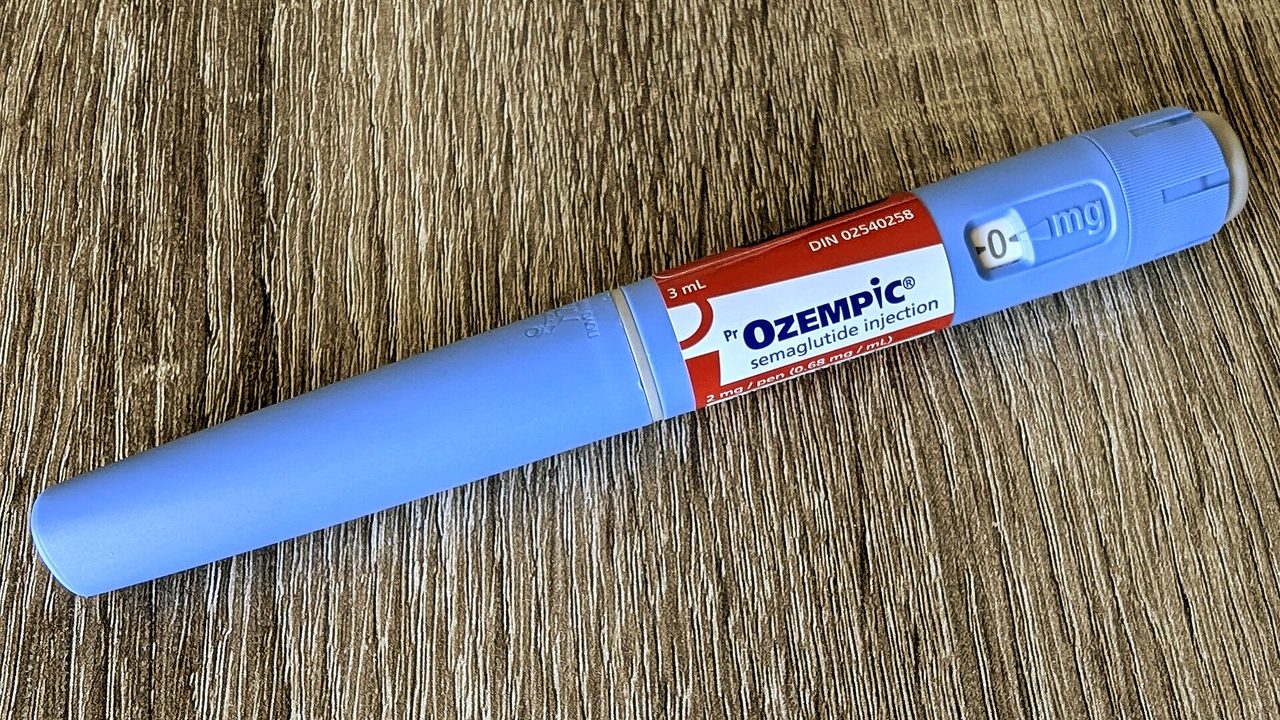
Photo: Dennis Sylvester Hurd / CC0 · via Wikimedia Commons
Lilly's Triple-Hormone Shot Doubles Ozempic on Weight Loss
A First-Ever Head-to-Head Trial Against Ozempic
Eli Lilly said on October 28 that its experimental drug retatrutide beat Novo Nordisk's Ozempic on both blood sugar and weight reduction in the Phase 3 TRANSCEND-T2D-2 trial, the first study to pit retatrutide directly against another incretin medicine. The 80-week, open-label trial enrolled nearly 1,300 adults with Type 2 diabetes whose blood sugar was inadequately controlled on metformin, with or without an SGLT2 inhibitor. Average baseline A1C was 8.3 percent, and average body weight was just over 102 kilograms.
Blood Sugar Fell 2.2 Points Versus 1.8 for Ozempic
After 80 weeks of once-weekly injections, both retatrutide doses, 9 mg and 12 mg, cut A1C by an average of 2.2 percentage points, compared with 1.8 points for Ozempic 2 mg, the highest approved dose for Type 2 diabetes. Kenneth Custer, Lilly's head of cardiometabolic health, said the combined Phase 3 results suggest retatrutide could reshape treatment if approved.
Weight Loss Topped 20 Percent, More Than Double Ozempic
The weight gap was wider still. Retatrutide patients lost an average of 44.3 pounds (19.5 percent) on 9 mg and 47.4 pounds (20.9 percent) on 12 mg, versus 20.9 pounds (9.4 percent) for Ozempic, or roughly 20.1 and 21.5 kilograms against 9.5. STAT noted that shedding more than a fifth of body weight is remarkable in diabetes patients, who typically lose less weight on these drugs than people without the disease.
One Shot Mimics Three Gut Hormones at Once
Nicknamed "triple-G," retatrutide activates receptors for three hormones, GIP, GLP-1 and glucagon, while Ozempic mimics GLP-1 alone. Lilly also reported bigger improvements in cardiovascular risk markers, including non-HDL cholesterol, triglycerides and systolic blood pressure. The drug remains investigational and is not approved by the U.S. Food and Drug Administration.
Stronger Results Came With More Stomach Side Effects
The most common adverse events were gastrointestinal, including diarrhea, nausea, constipation, vomiting and dyspepsia. Diarrhea affected 28.3 percent and 32.7 percent of retatrutide patients in the two dose groups, versus 26.4 percent on Ozempic. Discontinuations due to adverse events ran 4.8 percent and 7.9 percent for retatrutide against 2.7 percent for Ozempic, with Lilly saying most events were mild to moderate.
Novo Counters With Heart, Kidney and Liver Data
Novo Nordisk pushed back, saying Ozempic's value extends beyond glucose and weight, citing extensive evidence of protection for the heart, kidneys and liver, an established safety record, and use by more than 28 million people worldwide. Analysts see a blockbuster regardless: S&P Global Market Intelligence projects peak annual global sales of $25.34 billion by 2037.
Full Data Pending, Plus a Showdown With Zepbound Next
Lilly said detailed results will be presented at a future medical meeting and published in a peer-reviewed journal. The TRANSCEND-T2D program spans three global registrational trials that began in 2024 with more than 2,050 participants enrolled. Lilly is also testing retatrutide head-to-head against its own tirzepatide in the TRIUMPH-5 trial and plans to file for FDA approval in the first quarter of 2027.
Sources
- STAT: Lilly's 'triple-G' drug bests Ozempic in head to head study
- USA Today: Retatrutide beats Ozempic on weight loss, blood sugar control, study says
- Fierce Biotech: Lilly's retatrutide bests Ozempic on blood sugar, weight loss in phase 3 diabetes showdown
- AJMC: Retatrutide Tops Semaglutide on A1C, Weight in Head-to-Head Trial
- Quartz: Lilly's next-gen weight loss drug more than doubled Novo Nordisk's in trial