Faith, Family and a Senate Seat: El-Sayed Under Fire in Michigan
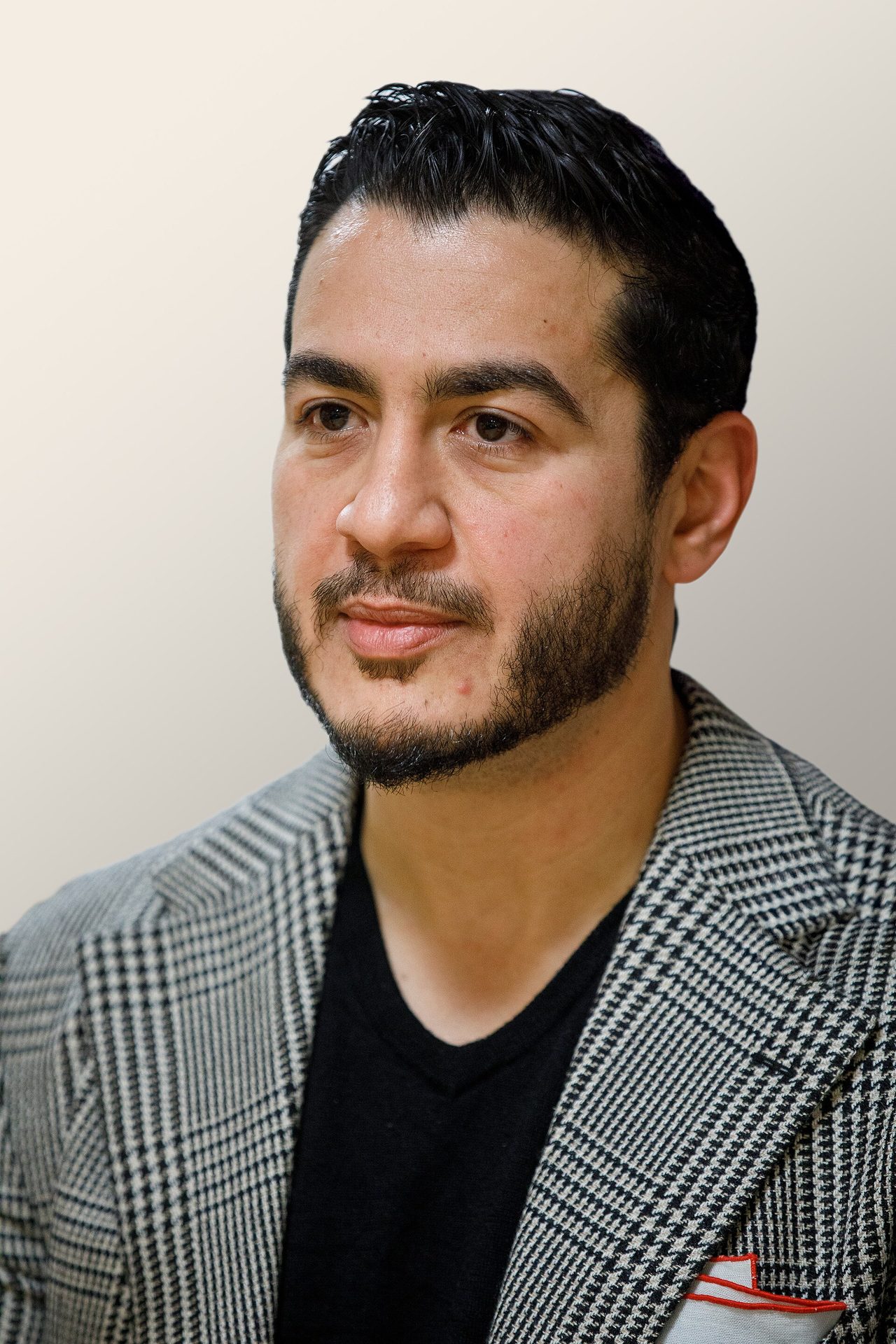
Photo: Kenneth C. Zirkel / CC BY-SA 4.0 · via Wikimedia Commons
Faith, Family and a Senate Seat: El-Sayed Under Fire in Michigan
A Michigan upstart faces a loyalty test
The open-seat Senate race in Michigan has turned into a fight over religion and family. Democrat Abdul El-Sayed, born in Rochester Hills, Michigan, to Egyptian immigrant parents, would be the first Muslim U.S. senator if he defeats Republican former Representative Mike Rogers on November 3. With control of the chamber potentially at stake, Republicans have made his faith and relatives a closing argument.
A denial on live TV collides with old posts
On Meet the Press on October 11, NBC's Kristen Welker asked El-Sayed to "set the record straight" on alleged family ties to the Muslim Brotherhood. He repeatedly answered "No," covering himself and his family. A day later, social media posts from 2012 by his half-sister Eman Abdelhadi began circulating. In them, she wrote that "my family has long been MB," described "an amazing talk with my mom about her activism in the Muslim Brotherhood during the early 70s while she was in college," and said relatives had been jailed over membership. NPR, CNN and others have confirmed the existence of those posts.
Raised by his father, he says, not his mother
El-Sayed says his parents divorced when he was a toddler and he was raised mainly by his father and stepmother. In an October 14 NBC interview he said, "I have never had these conversations with my mother. I wasn't raised by my mother," calling his sister's account hearsay. The New York Sun reports he was born in 1984 in Michigan and that his mother, Fatten Elkomy, now works as a nurse in Missouri. Ynet reported that after moving to the United States, Elkomy worked for an Islamic aid organization that Washington sanctioned in 2004 for supporting al-Qaeda and Hamas.
Scrutiny spreads to his wife and mosque
CBS News reported that El-Sayed met his wife at the University of Michigan, where both were prominent in the Muslim Students' Association. Her father, Tayeb Jukaku, is a kidney doctor, a past president and current board member of CAIR Michigan, and served on the founders' committee of the Islamic Society of North America. Separately, the Washington Free Beacon reported that the Muslim Community Association of Ann Arbor, a mosque El-Sayed reportedly attends, removed YouTube videos of its imam, including one said to hail a Hamas leader. El-Sayed has compared the questioning to John F. Kennedy being asked whether his loyalty lay with the Constitution or the Vatican.
Trump calls him a "jihadist" and demands a metal detector
President Donald Trump has repeatedly called El-Sayed by his middle name, "Mohammed," labeled him "a Jihadist Member of the Muslim Brotherhood" on Truth Social, and claimed he wants "Sharia Law" for the country. At a Michigan rally, Trump said El-Sayed "would be the only senator that will have to go through a metal detector" before entering the Senate. In an October 20 ABC News interview, El-Sayed said the attacks were meant to distract from gasoline and grocery prices. Days later in Grand Rapids, he joked: "I don't even care that he remembers my whole name because he can just go on and call me 'senator' after November. I will be Senator Muhammad to you, bro."
"Disavow" moments dominate debates and town halls
At a town hall in Caro, a voter asked, "Will you disavow the Muslim Brotherhood?" El-Sayed answered, "Sure. Yeah, absolutely," then pressed back: "What are you implying? Do you assume that I wouldn't?" During the October 21 debate, Rogers asked, "Are you for America, or are you for these terrorist groups overseas?" El-Sayed called the question "shameful" and "beneath you." In an October 23 Fox News interview with Bret Baier, he stated: "I have never been a member of the Muslim Brotherhood, I never will be a member of the Muslim Brotherhood."
Why now: a play for Detroit-area voters
Reuters reported that the late push, less than two weeks before the November 3 midterms, aims to peel away Jewish and Black voters around Detroit who backed El-Sayed's primary opponent, Haley Stevens. The Guardian traced the amplification of the claims to Laura Loomer and other Trump allies. El-Sayed spokesperson Cole Wozniak called the attacks lies and "desperate, bad faith attacks," saying the candidate stays focused on lowering costs.
A murky terrorism label sits at the center
The underlying designation is disputed. The Guardian notes the Egyptian Muslim Brotherhood is a political and social group with no armed wing and is not on the State Department's list of designated Foreign Terrorist Organizations, though the Trump administration sanctioned its Egyptian and Jordanian chapters this year over alleged support for Hamas. PolitiFact found no evidence that El-Sayed himself has any affiliation with the group. A CNN analysis argued that demands to "disavow" effectively link a Michigan-born nominee to a Middle Eastern Islamist movement because of his religion.
Closing days test backlash or payoff
El-Sayed must keep disavowing while pivoting to costs and living standards, and consolidate Democrats who voted for Stevens in the primary. Rogers and Trump are betting loyalty questions energize their base. Arab American groups have condemned Trump's rhetoric as anti-Muslim. Whether the strategy suppresses or mobilizes turnout will be decided when Michigan votes on November 3.
Sources
- CBS News: Abdul El-Sayed's faith and family have come under intense scrutiny in Michigan race. Here's what we know.
- NPR: Trump escalates anti-Muslim attacks against El-Sayed in Michigan
- CNN: What Republicans mean when they ask Abdul El-Sayed to ‘disavow’ the Muslim Brotherhood
- The New York Times: El-Sayed and Rogers Clash in Another Fiery Michigan Senate Debate
- The Guardian: How Laura Loomer and Trump allies amplified ‘Muslim Brotherhood’ lie dogging Abdul El-Sayed