A Saturday Halloween Plus an Extra Hour: What the Clock Change Means
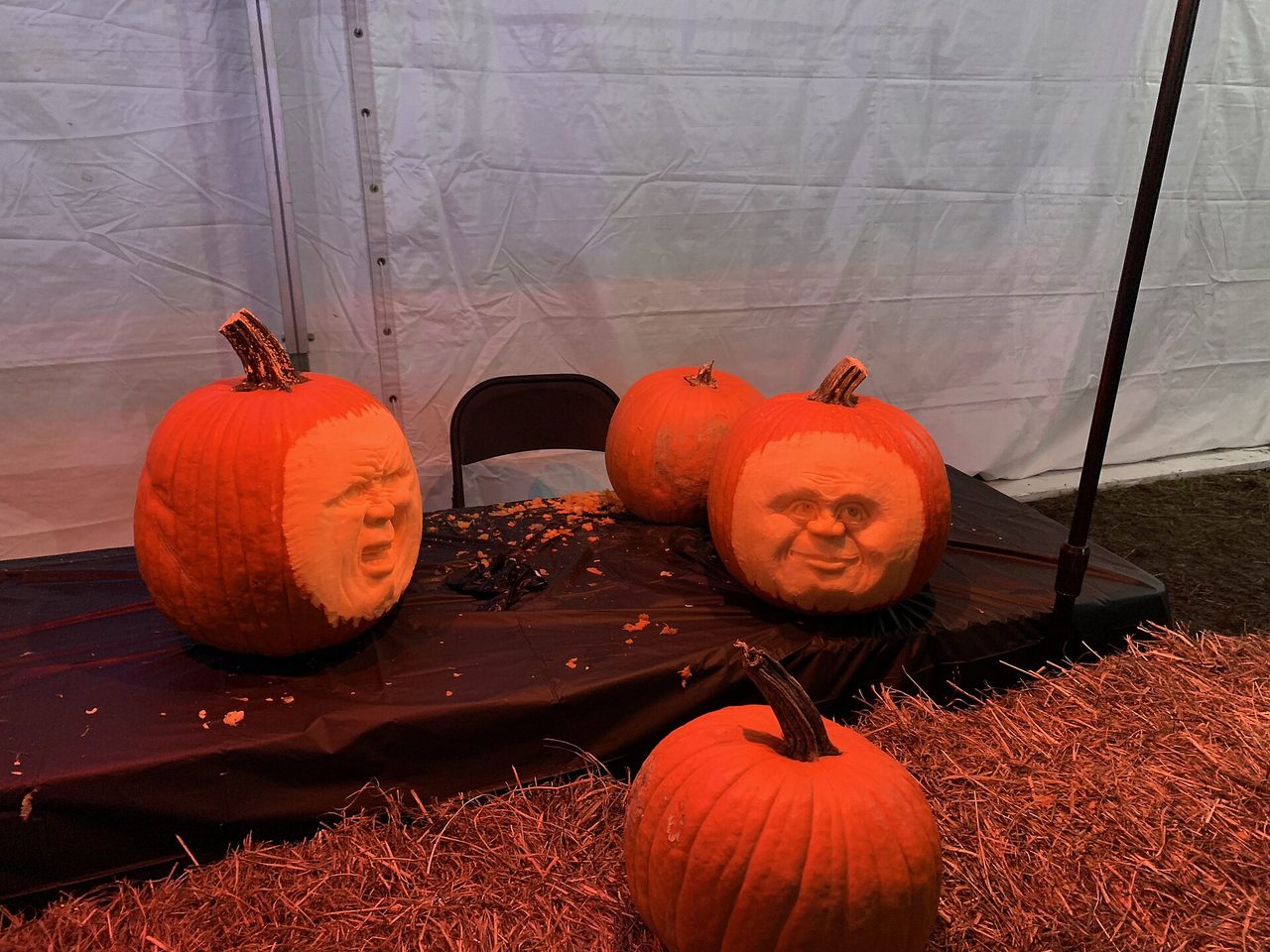
Photo: Jiayu Zuo / CC BY-SA 4.0 · via Wikimedia Commons
A Saturday Halloween Plus an Extra Hour: What the Clock Change Means
Clocks fall back at 2 a.m. Sunday, after the candy rush
Daylight saving time ends at 2 a.m. local time on Sunday, Nov. 1, when clocks turn back one hour to 1 a.m. and the country returns to standard time. Halloween night itself still runs on daylight saving time, so sunset trick-or-treat hours are unchanged, while late-night parties and Sunday morning gain a bonus hour.
A rare double: Saturday Halloween returns in 2037
Halloween falls on Saturday, Oct. 31 this year, colliding with the end of daylight saving time on the same weekend. The pairing is rare because leap years in 2028, 2032 and 2036 shift the weekday cycle, pushing the next Saturday Halloween, and the next such collision, all the way to 2037, eleven years away.
Treat hours stand, but darkness calls for caution
The core trick-or-treat window still runs from about sunset, roughly 5:30 to 6:45 p.m. in most of the country, until 8 to 8:30 p.m., with porch lights signaling who is still welcoming visitors. This year's moon is a waning gibbous about 63 percent lit and does not rise until around 11 p.m., leaving treat hours unusually dark. Drivers should switch headlights on early, children should carry flashlights or reflective gear, and police in towns like Naperville advise younger kids to finish by dark and older ones by 8 p.m.
House passed permanent daylight time, Senate sits on it
The Sunshine Protection Act, which would make daylight saving time permanent nationwide, passed the House in July by 308 votes to 117. It has sat in the Senate ever since with no vote scheduled, and the chamber's extended recess does not end until Nov. 6. The White House has voiced support for taking it up, and President Donald Trump has repeatedly called for ending the twice-yearly switch, but for now the change goes ahead as usual.
Most Americans want the switching to stop
A 2023 YouGov survey found 62 percent of Americans favored ending the clock changes, and a January 2025 Gallup poll found 54 percent wanted to eliminate the practice. Nineteen states have already enacted permanent daylight saving laws, but under current federal law those cannot take effect without congressional authorization.
Hawaii and Arizona skip the ritual entirely
Hawaii, most of Arizona except the Navajo Nation, plus American Samoa, Guam, the Northern Mariana Islands, Puerto Rico and the U.S. Virgin Islands stay on standard time year-round and change nothing this weekend. Everywhere else, evenings go dark about an hour earlier starting Sunday, with an extra hour of morning light as winter approaches.
What comes next: spring forward again in March
Under the current schedule, daylight saving time returns on March 14, 2027 and ends again on Nov. 7, 2027. Unless Congress changes the law first, the familiar spring-forward, fall-back rhythm continues, so set clocks back one hour before bed on Saturday night.
Sources
- USA Today: Halloween and end of daylight saving time clash in 2026
- MassLive: Daylight saving time will fall on Halloween this year, leaving an extra hour for the holiday
- NBC Los Angeles: Halloween and Daylight Saving Time align in 2026: What to know
- ABC News: Daylight saving time 2026 ending: When to 'fall back'
- TIME: Most Americans Want to Stop Changing the Clocks. Here’s Why Senators Are Hesitating