Flesh-Eating Parasite Reaches a Third State as Arizona Dog Tests Positive
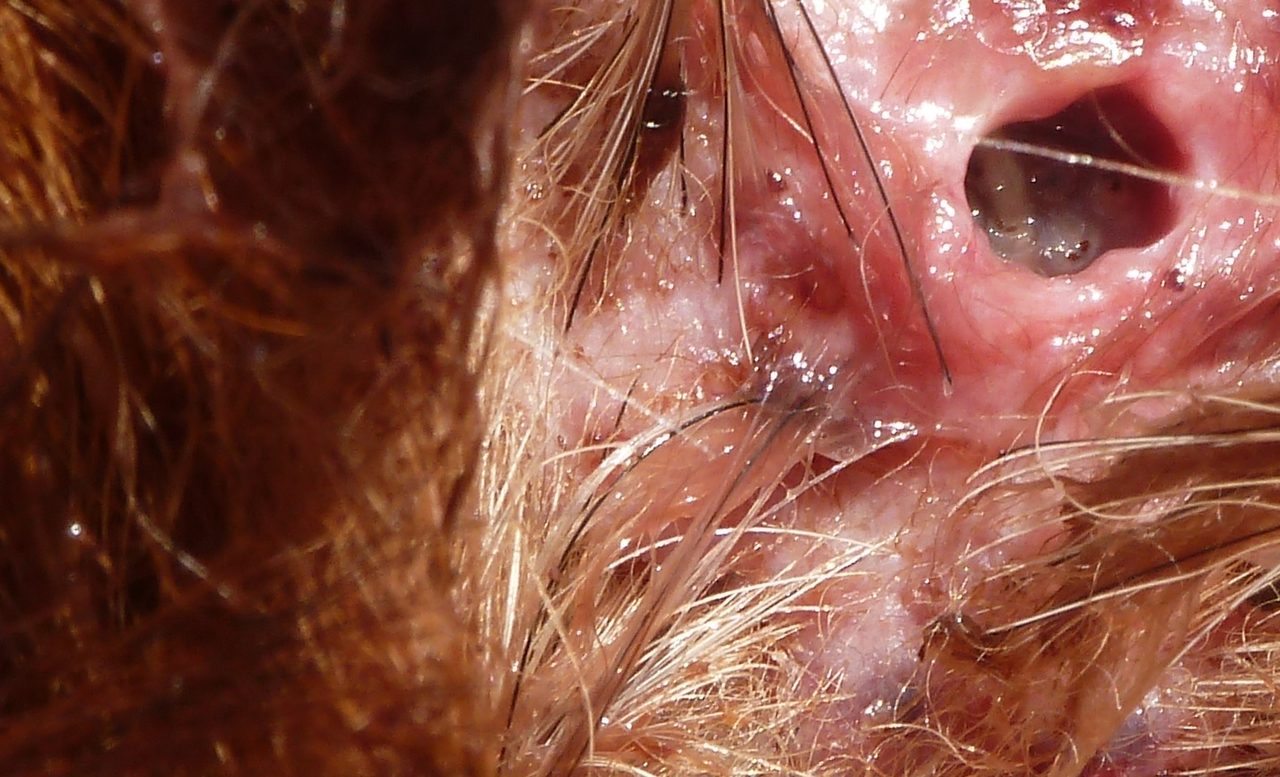
Photo: Astridlorena / CC BY 3.0 · via Wikimedia Commons
Flesh-Eating Parasite Reaches a Third State as Arizona Dog Tests Positive
A ranch dog's back wound triggers Arizona's first confirmation
Arizona agriculture officials announced on the afternoon of Oct. 28 that a domestic dog living on a ranch in Cochise County has tested positive for New World screwworm, the state's first confirmed case. A local veterinarian examined the dog on the evening of Oct. 26 and found a wound on its back heavily infested with maggots consistent with screwworm. Samples were sent to the U.S. Department of Agriculture's veterinary laboratory in Iowa and confirmed on Wednesday. The dog is receiving veterinary care and is expected to survive.
Six decades after eradication, the pest is back in Arizona
It is Arizona's first case since the pest was officially eradicated from the United States in the 1960s. Arizona Department of Agriculture Director Paul Brierley said the state had spent more than a year preparing for its arrival. Arizona becomes the third U.S. state affected in the current outbreak, after Texas and New Mexico. As of Oct. 29, the USDA reported 74 confirmed animal cases across the three states.
A fly that eats living flesh, from cattle to dogs to elk
New World screwworm, or Cochliomyia hominivorax, is a parasitic fly that lays eggs in open wounds or body openings of warm-blooded animals, including humans. The eggs hatch into larvae that feed on living tissue, causing lesions that can quickly kill the host. Cattle, sheep, goats, horses, dogs, wildlife and, in rare instances, people can all be infested. Last week brought the first U.S. wildlife confirmation when a hunter found screwworm in an elk. Officials stress the parasite infects only living animal tissue and poses no risk to the food supply; the Centers for Disease Control and Prevention says the current risk to the public is very low, with no locally acquired human cases reported.
A 12-mile infested zone, trapping and sterile-fly drops
Federal and state officials are establishing a roughly 12-mile infested zone around the detection site, restricting animal movement in the area, expanding live-animal surveillance and trapping, releasing sterile flies and conducting outreach to producers, veterinarians and local communities. The sterile insect technique is the centerpiece of the response: mass-produced sterilized male flies mate with wild females, which mate only once in their lives, producing unviable eggs that collapse the population. The approach eradicated the pest from the U.S. in the last century and is now deployed around each new detection.
Ranchers and hunters told to watch for foul-smelling wounds
Arizona officials are asking livestock owners, pet owners and hunters to watch animals closely for strange, foul-smelling wounds and to contact a veterinarian or state animal health official immediately rather than waiting. One veterinarian involved in the response called the pest concerning but very treatable. In Arizona, suspected cases in pets, livestock or sheltered animals can be reported to the state agriculture department at [email protected] or 602-542-4293 on weekdays during business hours.
Sources
- KJZZ: Arizona reports 1st New World screwworm case in an infected dog in Cochise County
- ABC News: Arizona reports 1st animal case of New World screwworm after canine found to be infected
- The Hill: New World screwworm case reported in Arizona dog
- USA Today: Arizona confirms first New World screwworm case in dog
- UPI: Arizona becomes 3rd state to confirm case of New World screwworm - UPI.com