Michigan's Senate Fight Is Democrats' First 2028 Primary Battle
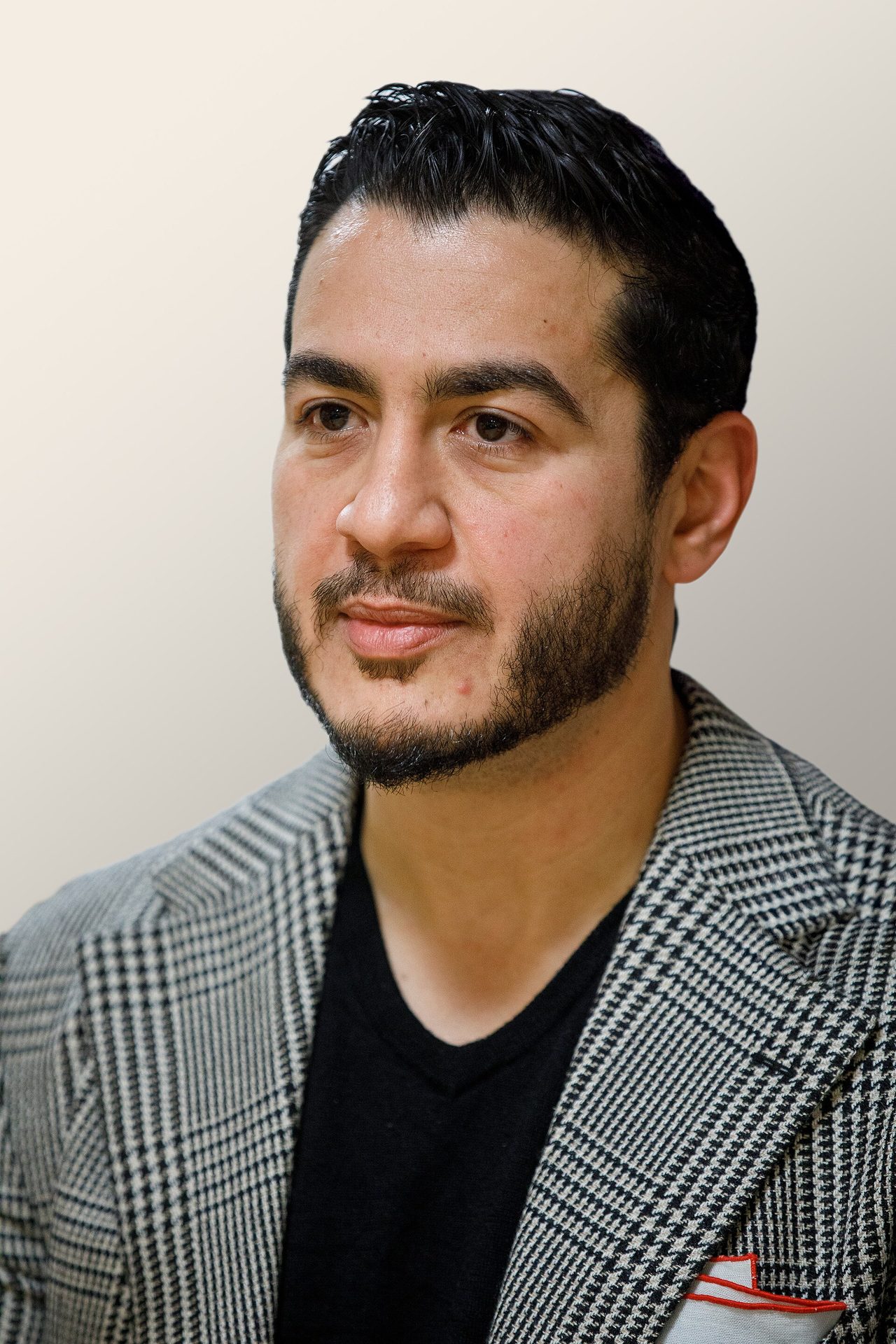
Photo: Kenneth C. Zirkel / CC BY-SA 4.0 · via Wikimedia Commons
Michigan's Senate Fight Is Democrats' First 2028 Primary Battle
A progressive upset winner faces a former GOP congressman for an open seat
Michigan voters will elect a new U.S. senator on Nov. 3, choosing between Democrat Abdul El-Sayed and Republican former Rep. Mike Rogers for the seat being vacated by retiring Sen. Gary Peters. The outcome could determine control of the Senate, and Democrats increasingly treat the race as a live test of whether unalloyed progressivism can win statewide in a critical battleground. El-Sayed, a former Detroit and Wayne County health director, defeated Rep. Haley Stevens, the party establishment's choice, in the Democratic primary on Aug. 4.
Ocasio-Cortez bets $1 million and her brand on a Michigan win
Rep. Alexandria Ocasio-Cortez has transferred $1 million from her campaign account to support El-Sayed, campaigned with him in Detroit and in Michigan's deeply Republican Upper Peninsula, and made his race a centerpiece of her closing midterm swing. At a closed-door New York fundraiser she called the race part of a "generational project" for the progressive movement, saying that "if Abdul can win in Michigan, anybody can win anywhere." Meanwhile, an allied super PAC has spent more than $30 million on El-Sayed's general-election bid, even though Senate Democratic leadership had backed Stevens in the primary.
A fractured party struggles to present a united front
Democratic unity in Michigan is visibly fraying. Stevens's fiance publicly declared he would vote for Republican Rogers over El-Sayed, and Stevens's former campaign chair said he plans to do the same, though Stevens herself says she will vote for her former rival. El-Sayed's campaign asked Stevens to skip all campaign events in the race's closing days, putting a planned Sunday unity event in doubt. The fault lines run over religion, race, inflation, tariffs and Israel policy, compounded by Republican attacks on El-Sayed's religion and ethnicity.
Polls show a steady but uneven lead powered by young voters
El-Sayed leads in most public polls but runs behind the top of the Democratic ticket. A Mitchell Research poll put him ahead 51 percent to 44 percent, a 7-point margin with a 3.9-point margin of error, while a Detroit News Glengariff poll showed a 51.4 percent to 45.1 percent lead, or 6.3 points. A CNN survey had him up 49 percent to 42 percent. His coalition is strikingly young: he takes over 77 percent of voters under 30 and leads Rogers by 56 points in that group, compared with Democrat Elissa Slotkin's 3-point margin among 18- to 29-year-olds against Rogers in 2024. He has also overtaken Rogers among independents, 45.5 percent to 40 percent, though skepticism persists among moderate, Black and Jewish voters who largely backed Stevens.
An early 2028 primary state turns one Senate race into a movement verdict
Michigan has been set as one of the early states in the 2028 Democratic presidential primary, which magnifies the stakes. An El-Sayed victory would hand progressives a tangible data point that their politics can win statewide in a battleground, shaping Ocasio-Cortez's own choice between a 2028 presidential run and a New York Senate bid. A loss would embolden centrists arguing that only moderation wins the industrial Midwest. Either way, the ideological rifts exposed in Michigan, from Texas to the Upper Peninsula, are already functioning as the opening argument of the 2028 Democratic primary.
Sources
- The Hill: Democrats face ideological rifts ahead of 2028 presidential primary
- The New York Times: Ocasio-Cortez Donates $1 Million to Help El-Sayed in Michigan as Democrats Fight for Senate Control
- GVWire: The Most Important Race Shaping 2028 for Democrats Is Happening Now in Michigan
- CBS News: Abdul El-Sayed widens lead over Mike Rogers to 7 points in newest Michigan Senate poll
- The Detroit News: Abdul El-Sayed lead Mike Rogers in Michigan Senate race, poll show