Judge Lets McRib Lawsuit Against McDonald's Move Forward
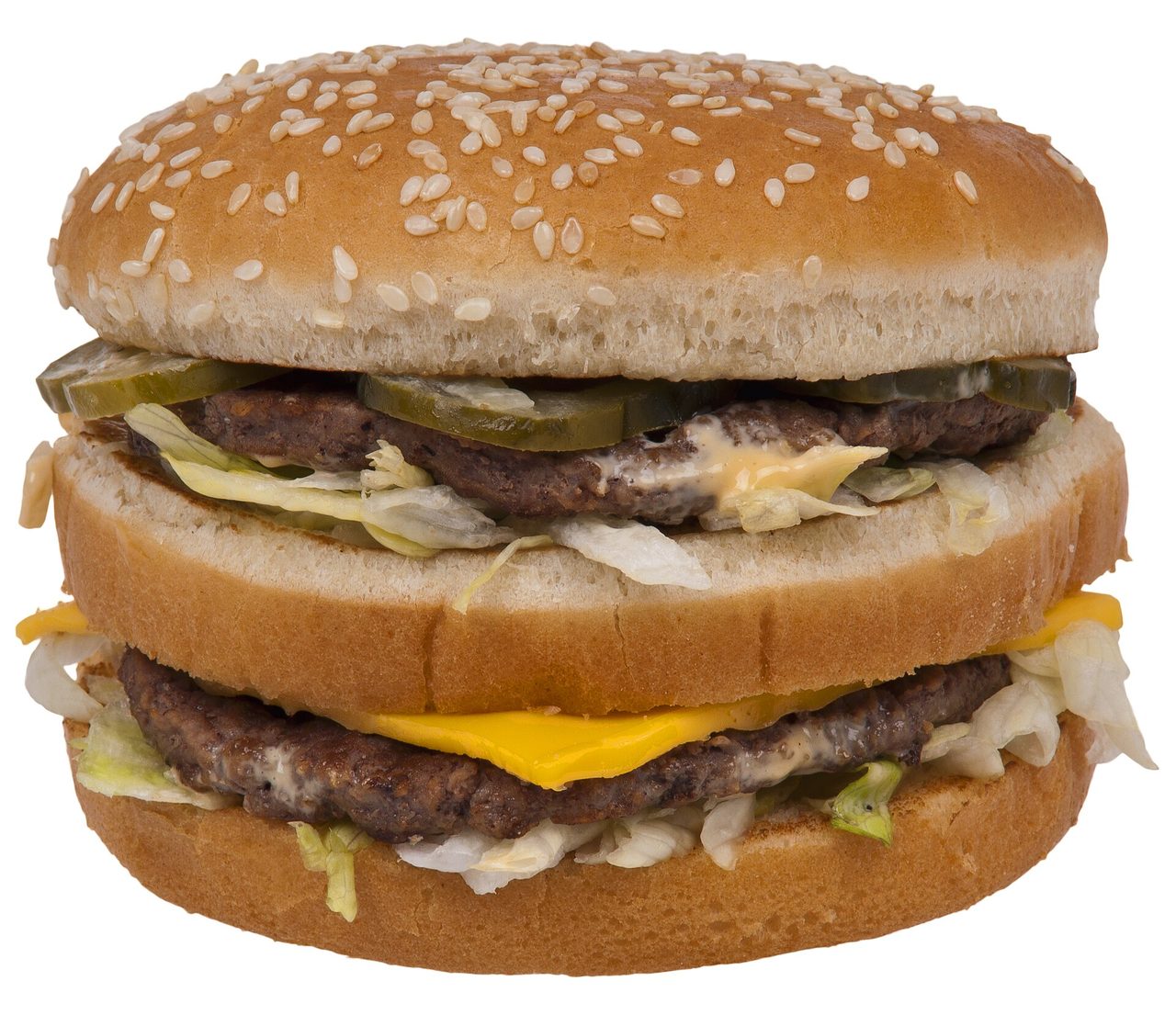
Photo: Evan-Amos / CC0 · via Wikimedia Commons
Judge Lets McRib Lawsuit Against McDonald's Move Forward
A Friday ruling in Chicago keeps the case alive
A federal judge in Chicago on Friday, October 30, rejected McDonald's request to dismiss a proposed class action accusing the fast-food giant of defrauding consumers over its McRib sandwich. US District Judge April Perry, sitting in McDonald's hometown, ruled that the core claims deserve further examination rather than an early dismissal.
Plaintiffs say the name and shape promise rib meat
The plaintiffs argue that McDonald's deliberately shapes the McRib patty with ridges to look like a miniature rack of pork ribs, and that the "Rib" in the name reinforces the impression that the sandwich contains rib meat. Rib meat, they say, is an expensive cut prized for its higher fat content and rich flavor, and that expectation is what justifies the sandwich's premium price in consumers' minds.
Cheaper cuts allegedly hide behind the premium image
According to the lawsuit, the sandwich actually uses lower-grade pork products, including shoulder, heart, tripe or stomach, instead of rib meat. Consumers say that substitution caused them to overpay, making the McRib one of the most expensive items on the McDonald's menu relative to what they actually received.
McDonald's denies deception and points to its disclosures
McDonald's denies the allegations. The company says the sandwich contains 100% pork sourced from US farmers and suppliers and that it has been transparent about its ingredients. It previously told Fox Business that it does not use heart, tripe or scalded stomach in the McRib patty. The company argued that no reasonable consumer could expect the sandwich to contain rib meat, an argument the judge called premature.
A $7 sandwich should not require homework, judge says
Judge Perry said McDonald's website describes the sandwich only as containing pork, and reasonable consumers need not do research before buying a $7 fast-food sandwich. She cited the plaintiffs' allegations about marketing and consumer surveys they submitted, concluding it was too early to accept McDonald's reading of what a reasonable buyer would expect.
Some claims dismissed, but the core fight continues
The ruling dismissed some of the plaintiffs' claims while allowing portions of the case to proceed. It does not establish that McDonald's engaged in deceptive advertising; it only means the surviving claims move into deeper litigation. The timing matters commercially: the McRib returned on October 27 for a limited run in select cities including Los Angeles, Chicago, Miami, Atlanta, Philadelphia and Dallas. How the litigation unfolds, including whether the class is certified, will shape the cost and reputation risk around one of the chain's most famous limited-time products.
Discussion: If a favorite menu item turned out to be made from cheaper ingredients than its name and shape suggested, would you feel misled? Would it change what you order?
Sources
- Fox Business: McDonald's McRib lawsuit moves forward after federal judge's ruling
- The Detroit News: McDonald's must face lawsuit over McRib, judge rules
- SRN News: McDonald’s must face lawsuit over McRib, US judge rules
- The Economic Times: McDonald's faces McRib fraud lawsuit as US judge rejects bid to dismiss consumer claims
- GV Wire: McRib Meets McCourt: Judge Rejects McDonald’s Bid to Toss Lawsuit